

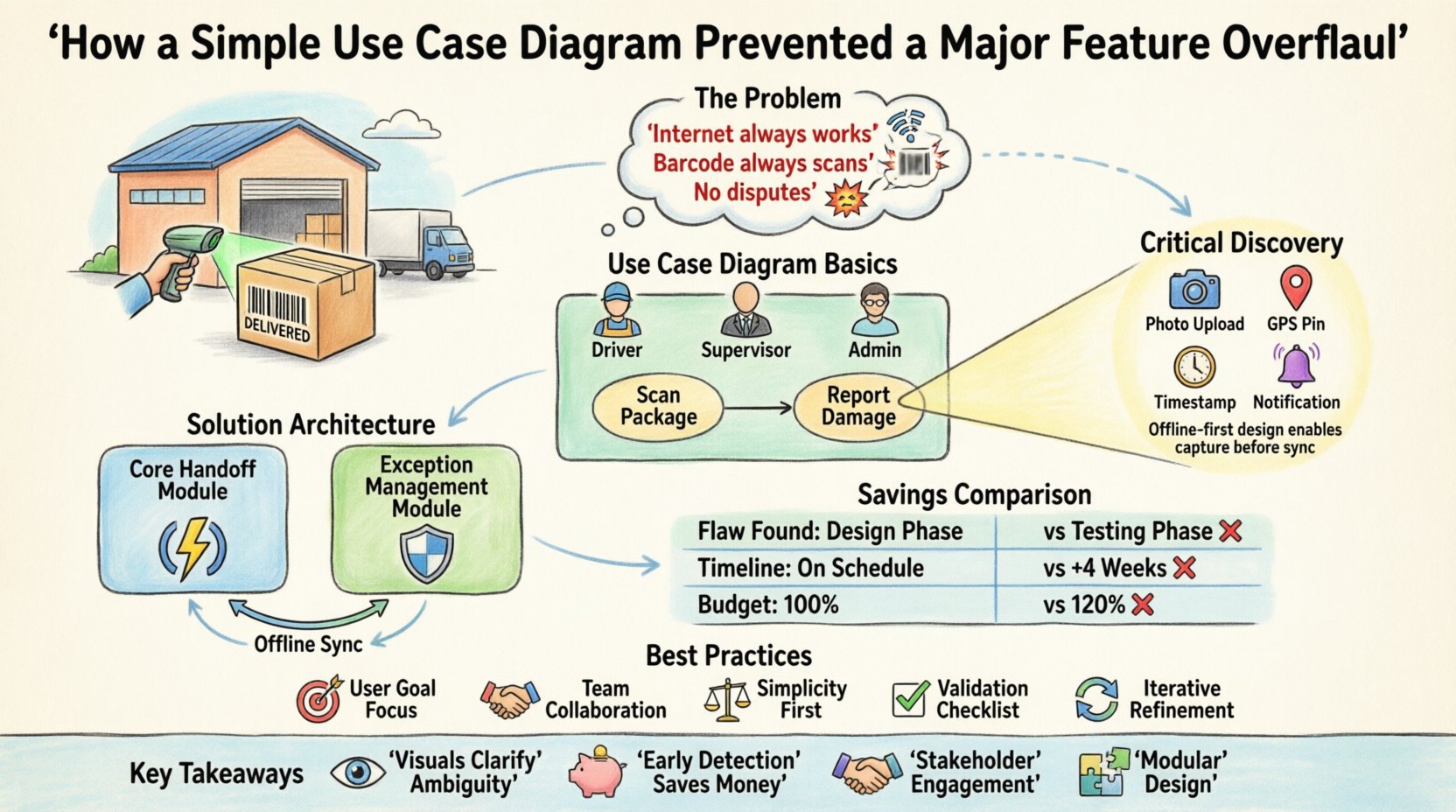
In software development, the most expensive bugs are not found in the code. They are found in the requirements. When a development team builds a feature based on a vague

In software development, the most expensive bugs are not found in the code. They are found in the requirements. When a development team builds a feature based on a vague
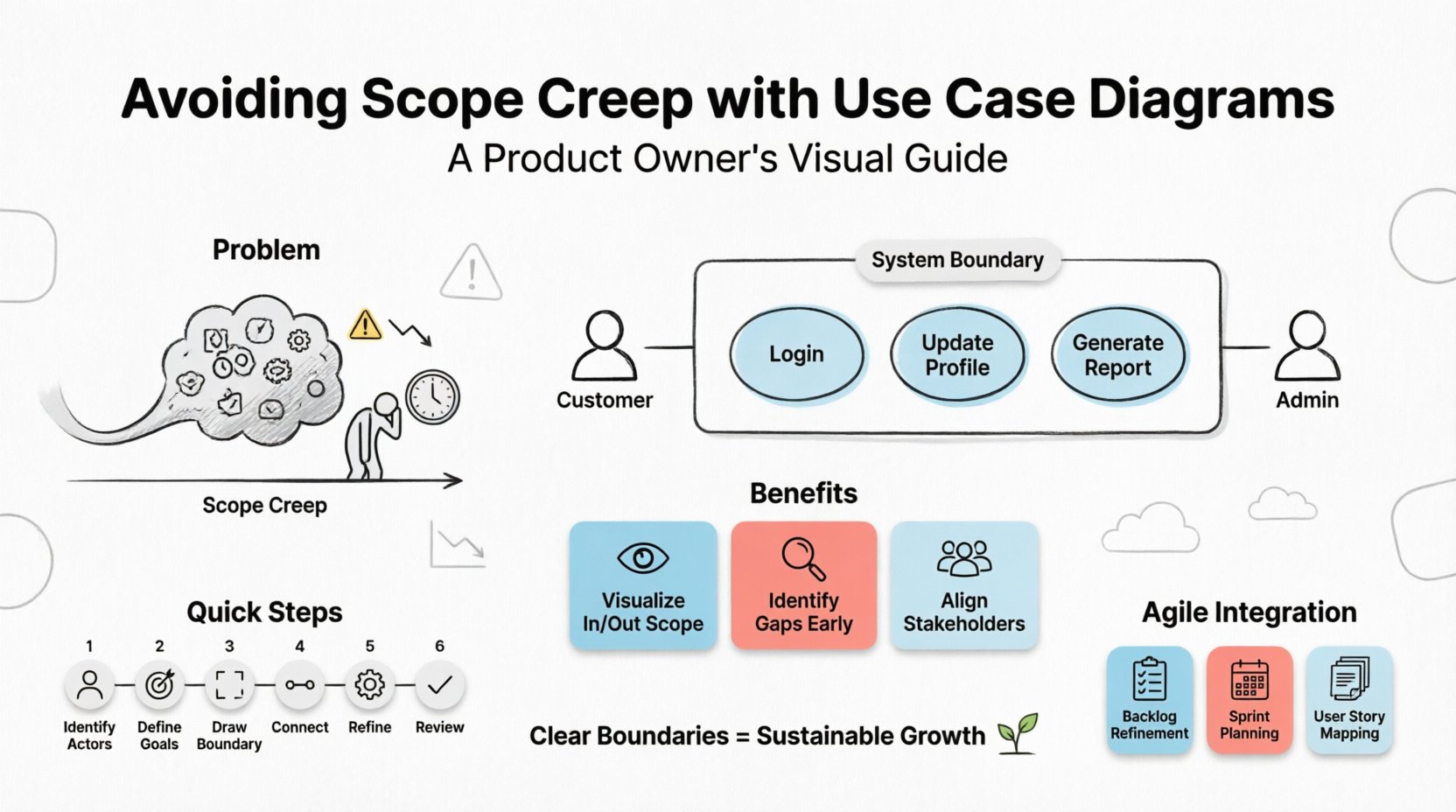
Every product manager and stakeholder knows the feeling. A project starts with a clear vision, a defined set of features, and a realistic timeline. Months later, the roadmap is cluttered
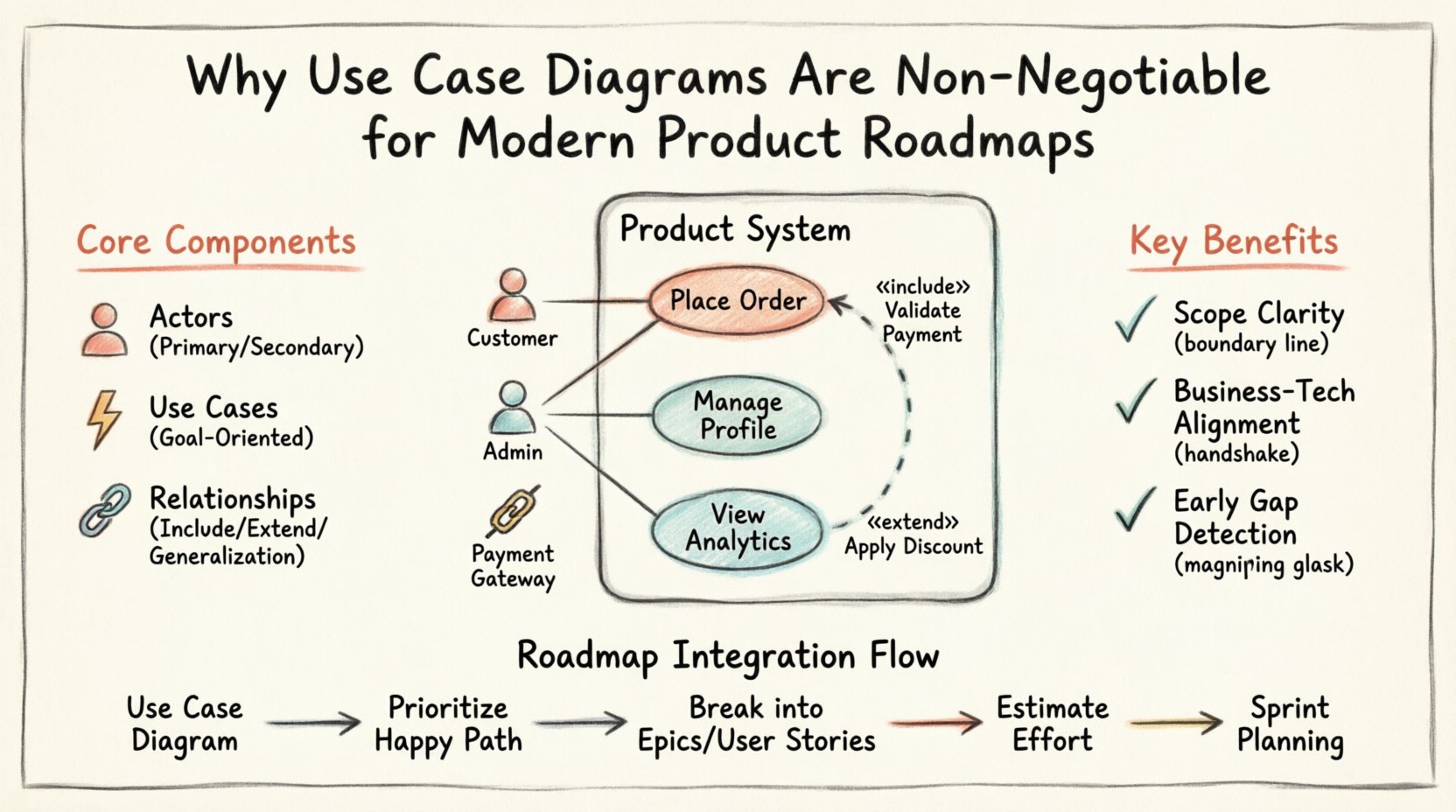
Building a successful product in today’s digital landscape requires more than just a list of features and a deadline. It demands a clear understanding of how users interact with the
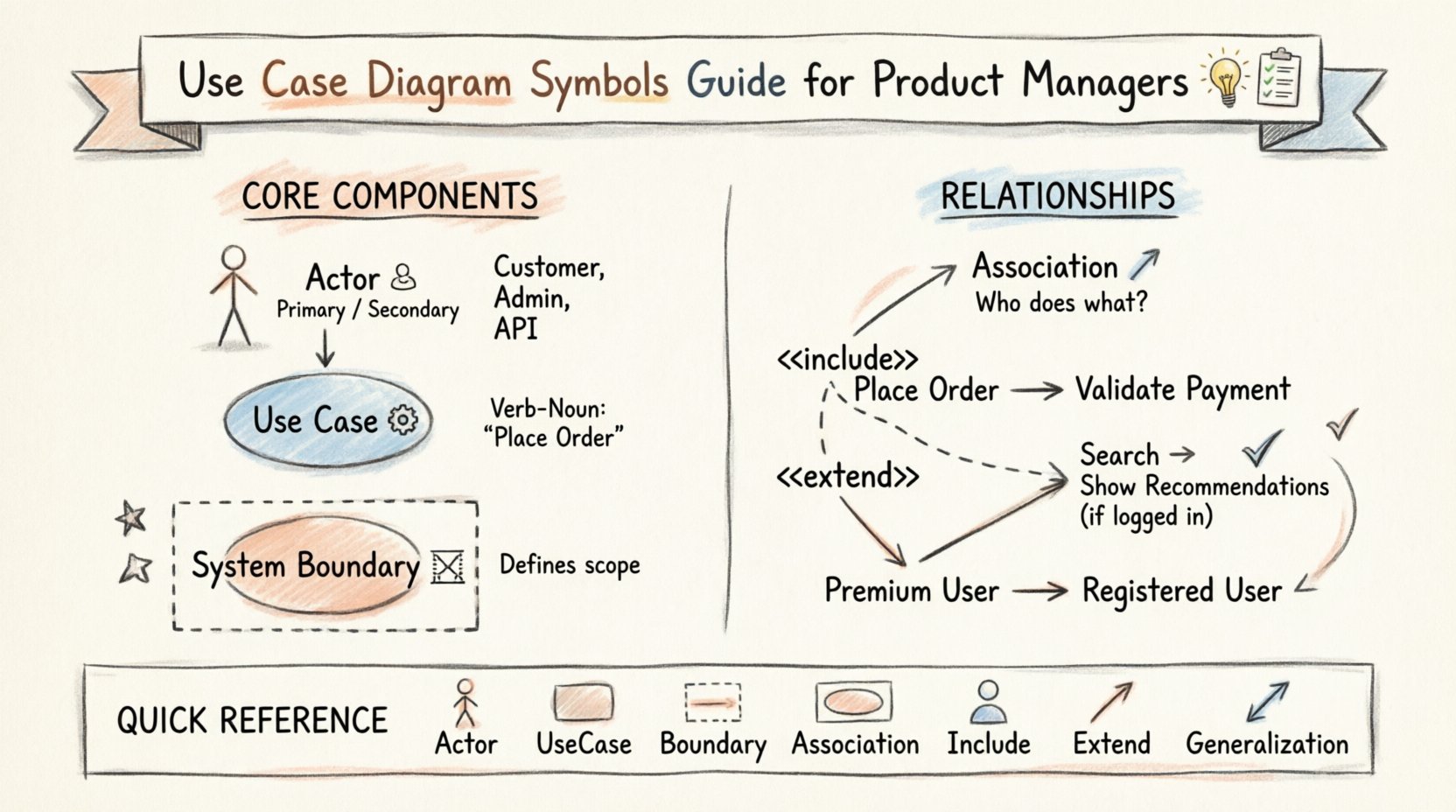
Product management involves translating complex needs into actionable technical specifications. One of the most effective tools for bridging the gap between business goals and engineering execution is the Use Case
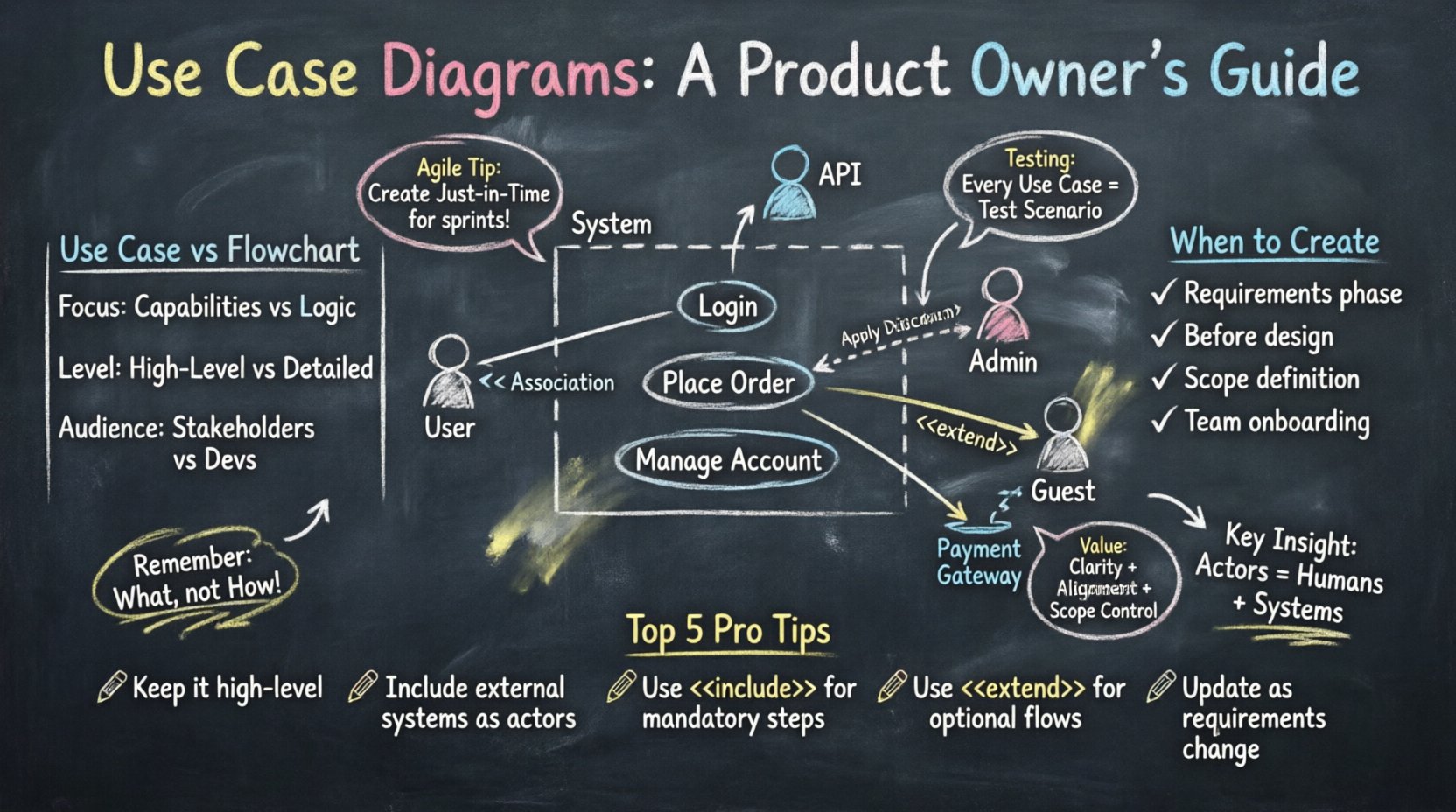
As a Product Owner, you sit at the intersection of business needs and technical execution. One of the most persistent challenges is translating complex requirements into a visual format that
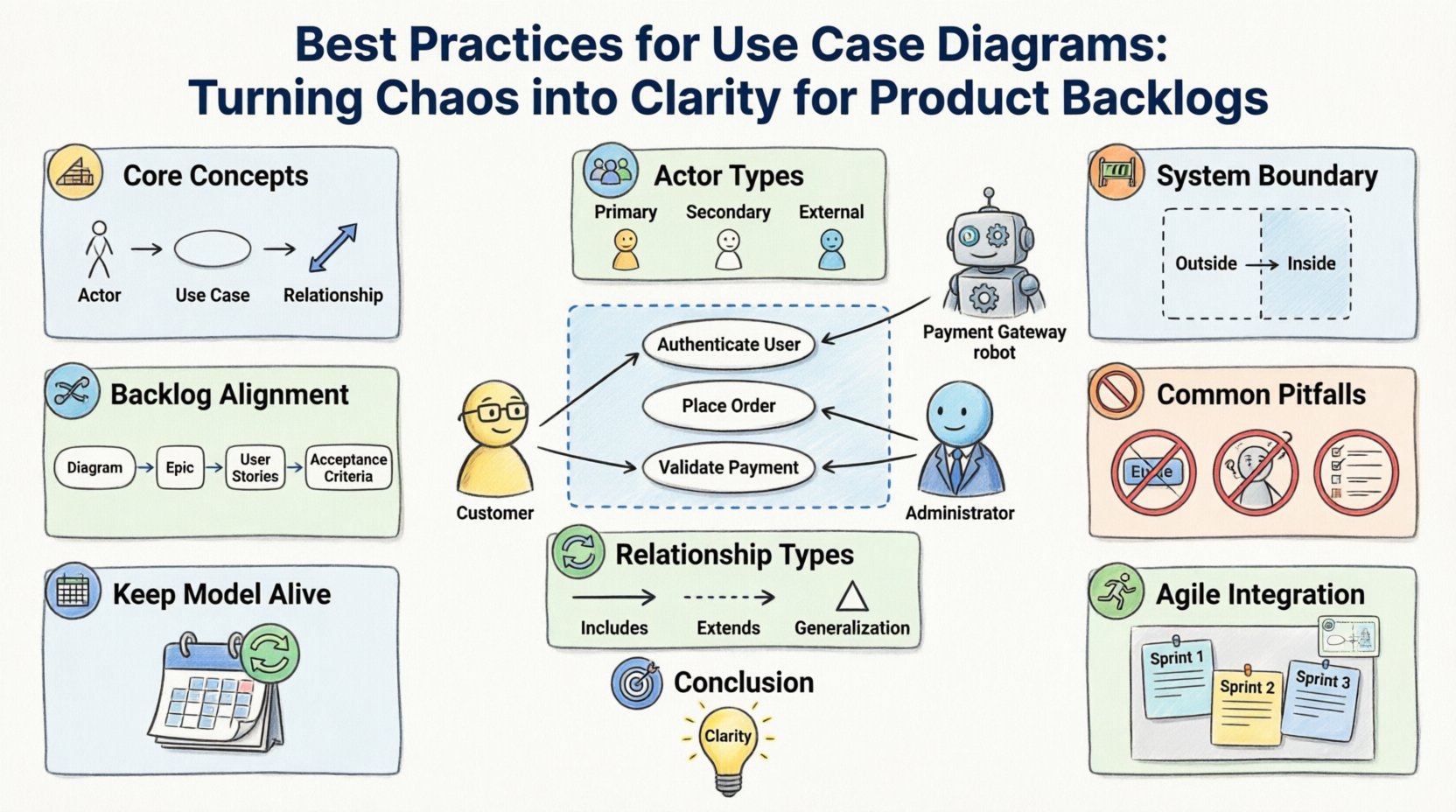
Managing product requirements often feels like organizing a complex puzzle without the picture on the box. Teams accumulate stories, tasks, and features without a cohesive visual narrative. This fragmentation leads
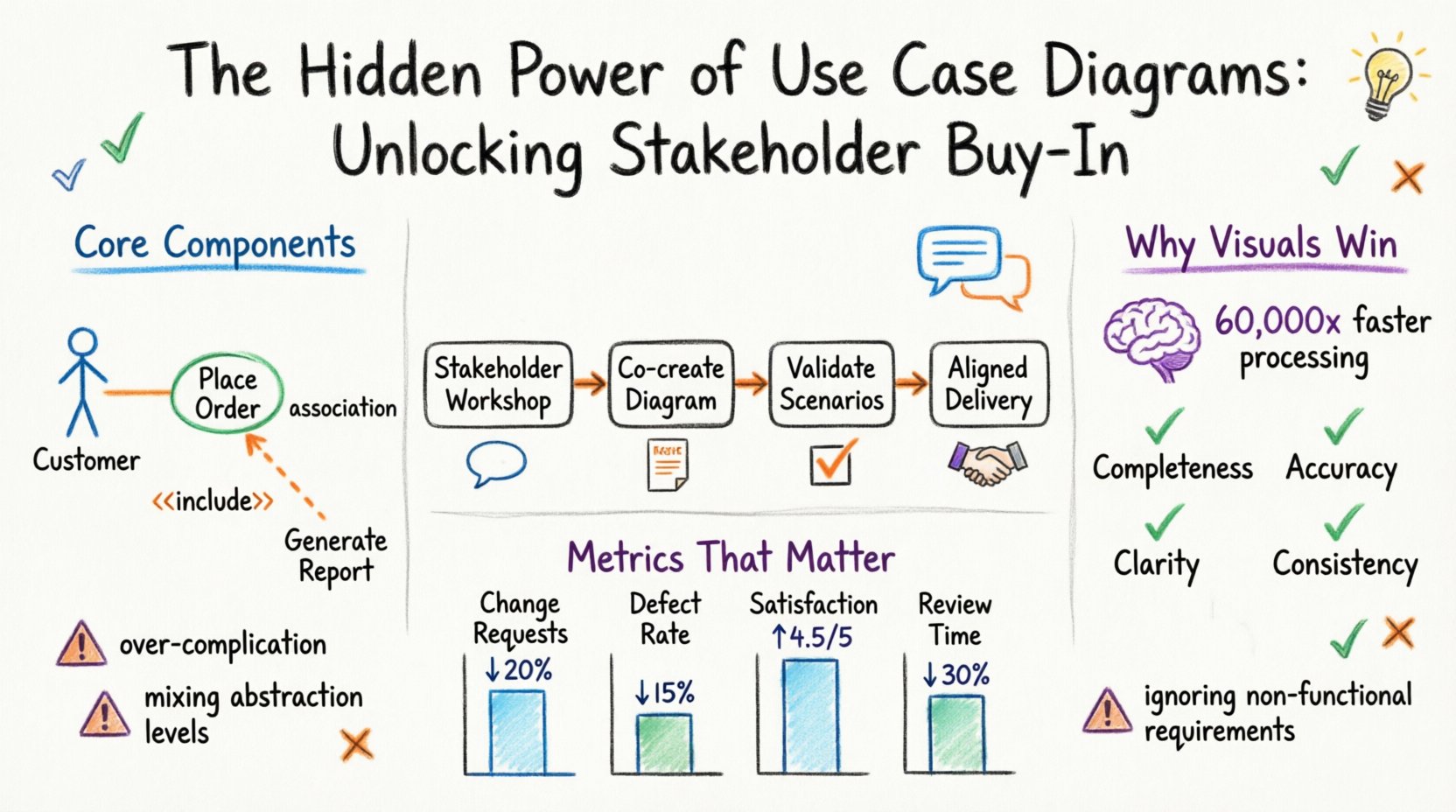
In the complex landscape of system development, few challenges are as persistent as the gap between what stakeholders imagine and what engineers build. This disconnect often leads to costly rework,
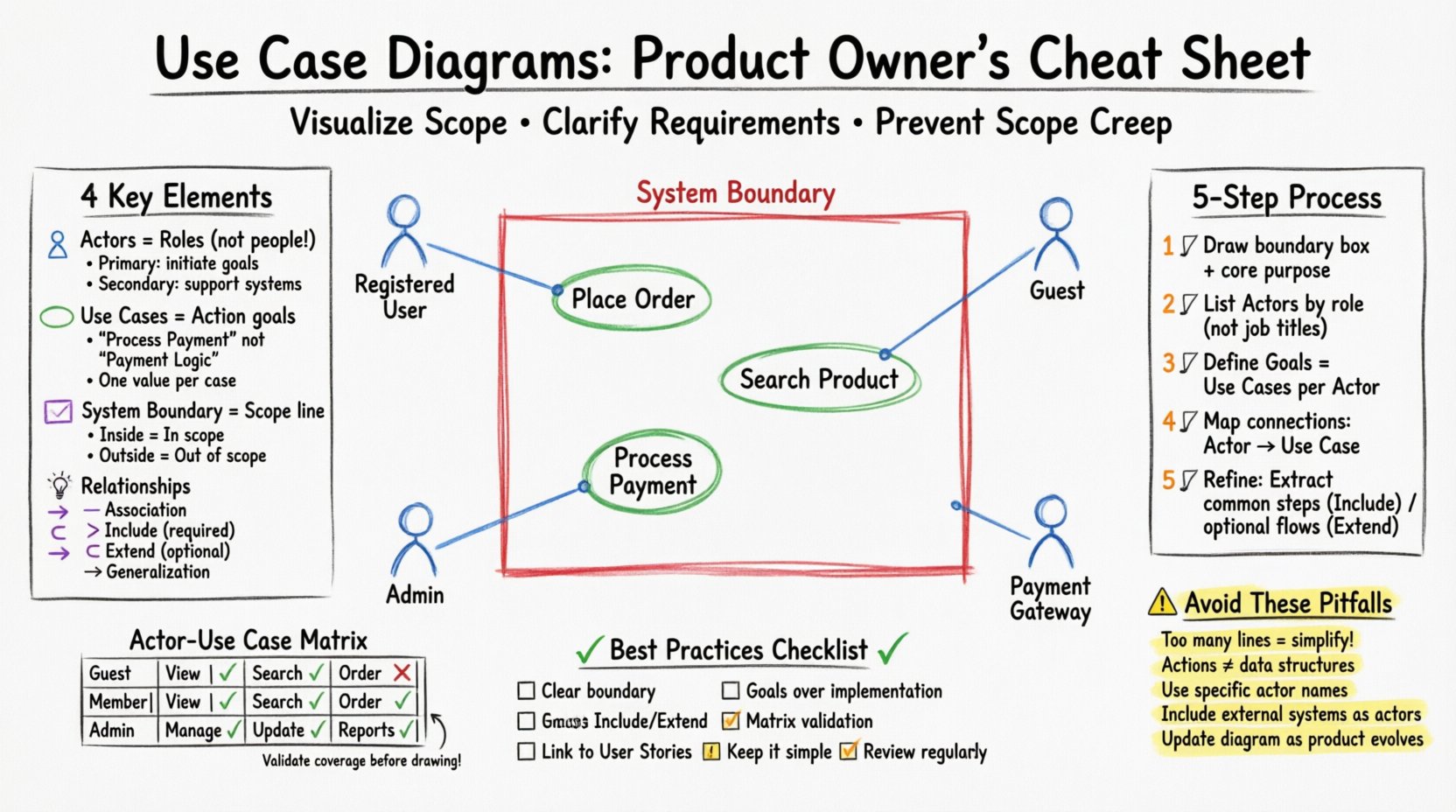
As a Product Owner, you sit at the intersection of business strategy and technical execution. You translate vision into actionable requirements, ensuring the team builds value efficiently. One of the
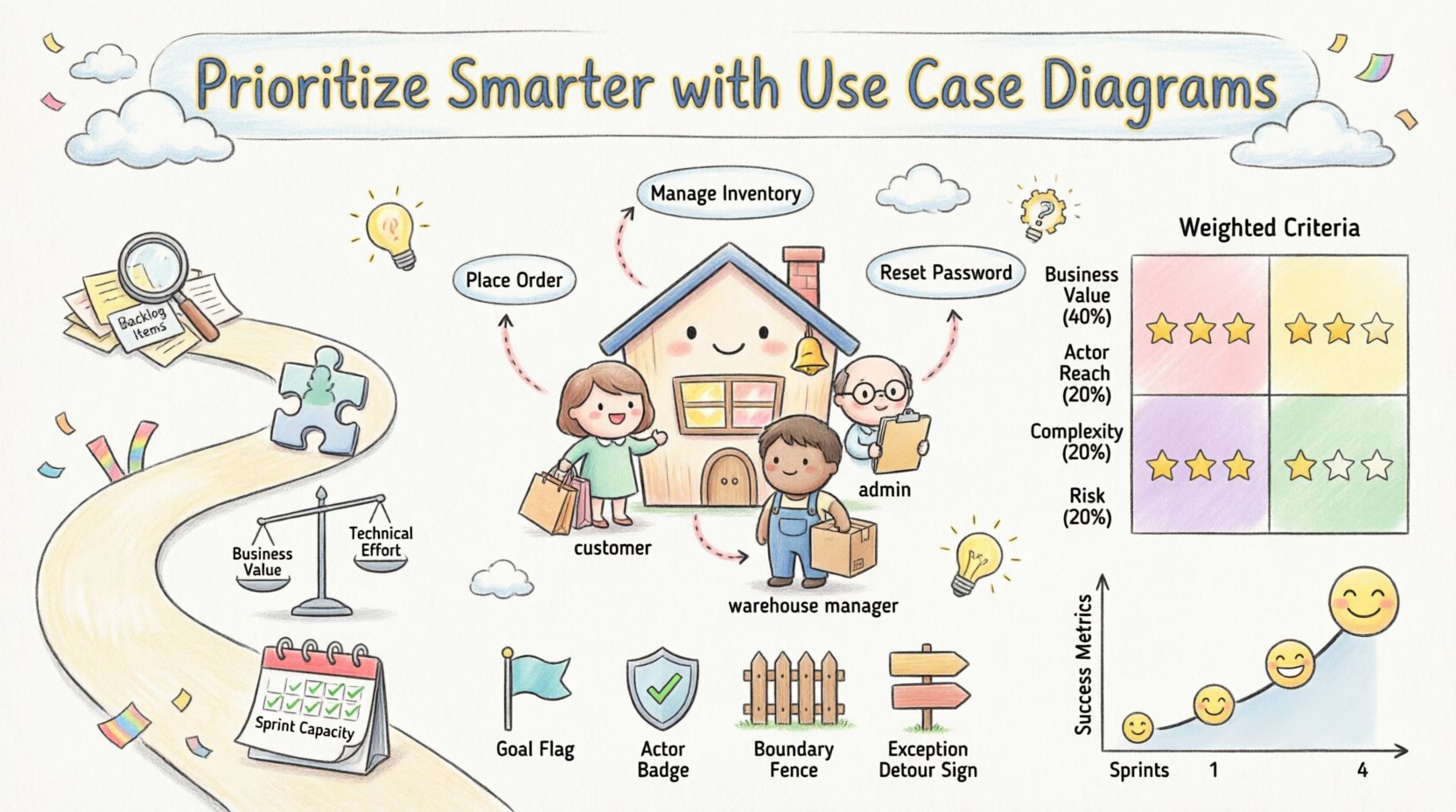
In the fast-paced environment of agile development, aligning high-level requirements with immediate execution goals is a persistent challenge. Teams often find themselves drowning in a backlog of user stories that

Introduction to UML Constraints A constraint is an expression that constrains the semantics of a UML element. It must always be true—in other words, it is a restriction on an element that