

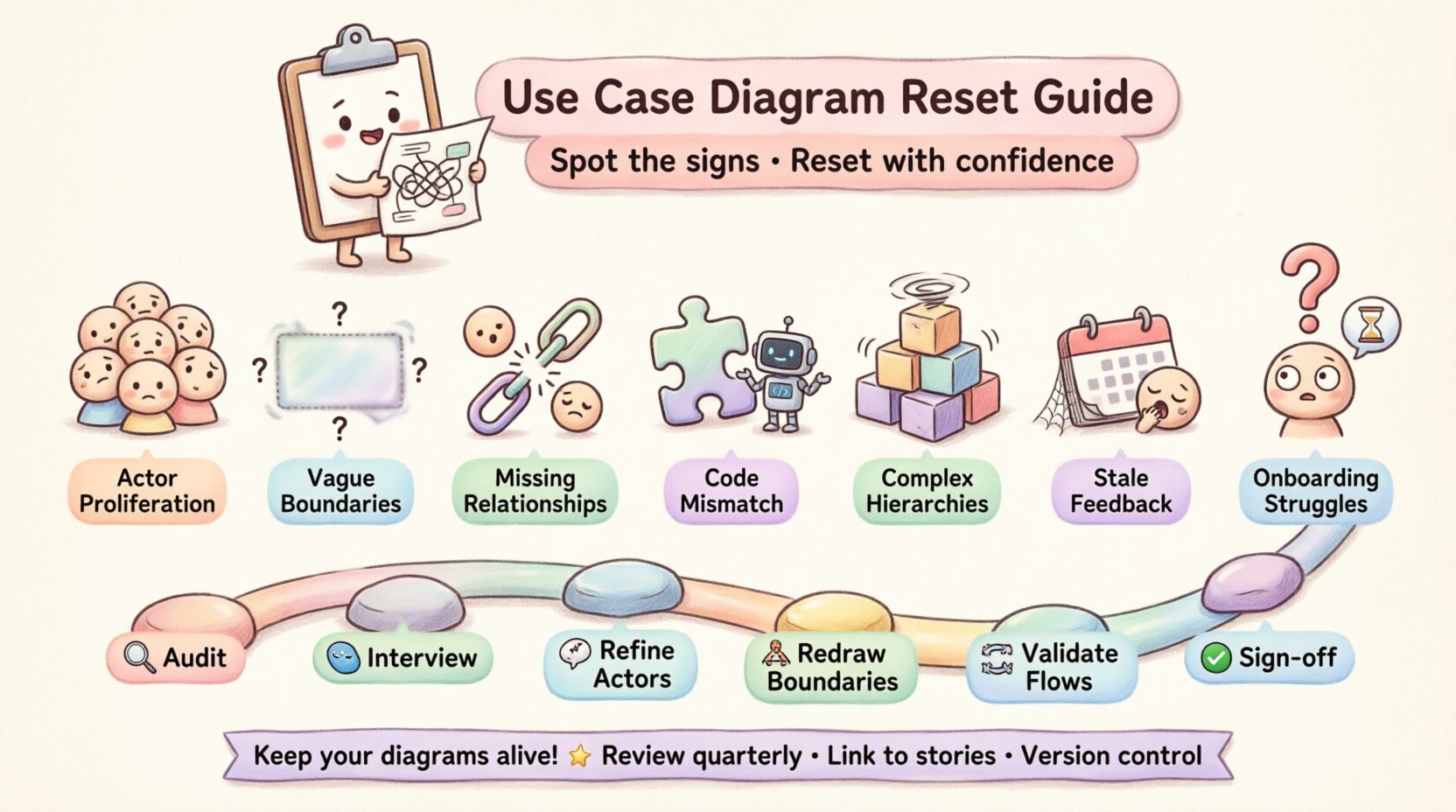
Software systems are living organisms. They grow, evolve, and occasionally change direction based on market demands or technical constraints. In the early stages of development, a Use Case Diagram serves

Software systems are living organisms. They grow, evolve, and occasionally change direction based on market demands or technical constraints. In the early stages of development, a Use Case Diagram serves
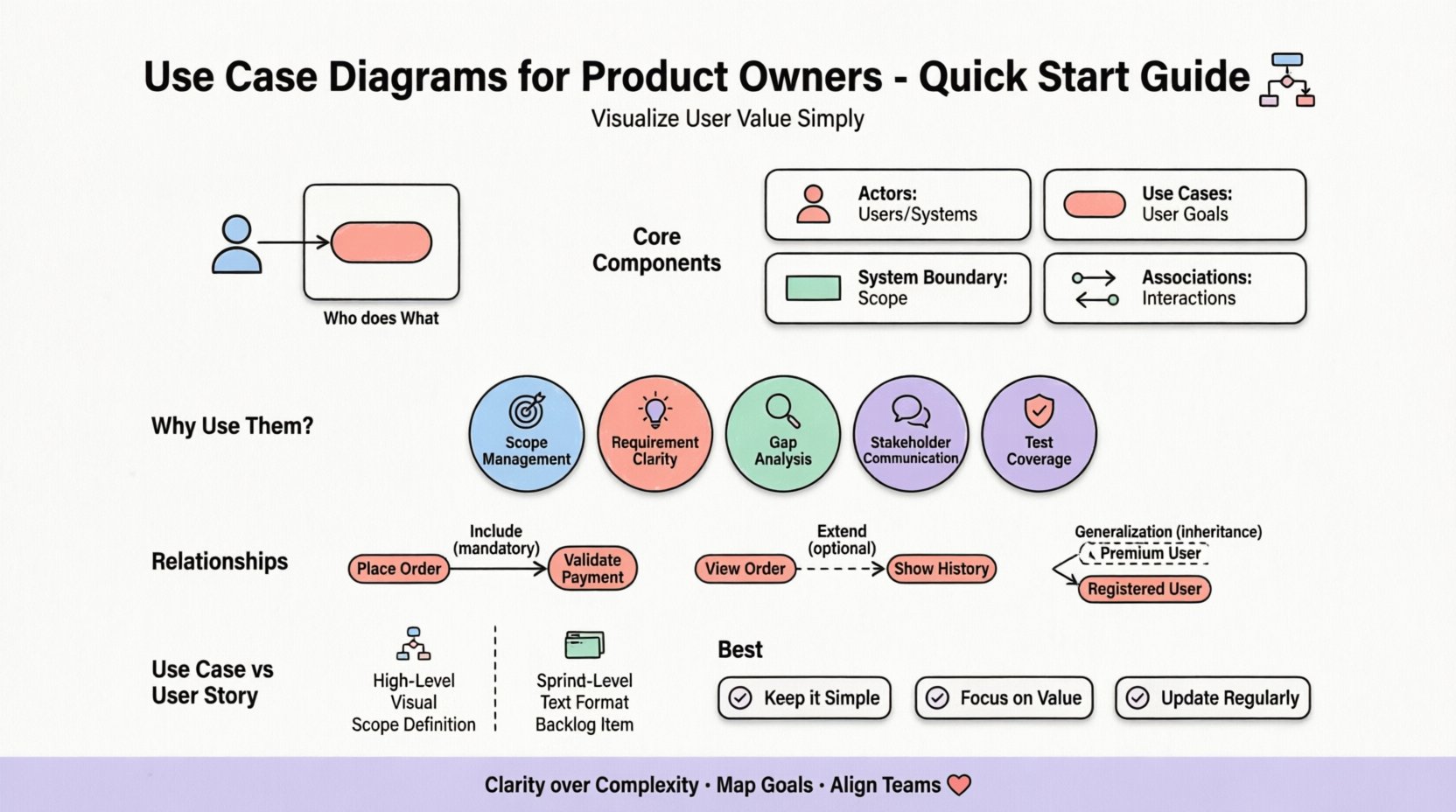
Product ownership is fundamentally about understanding the “why” behind every feature and ensuring that technical work delivers tangible business value. While user stories and backlog items are standard tools for
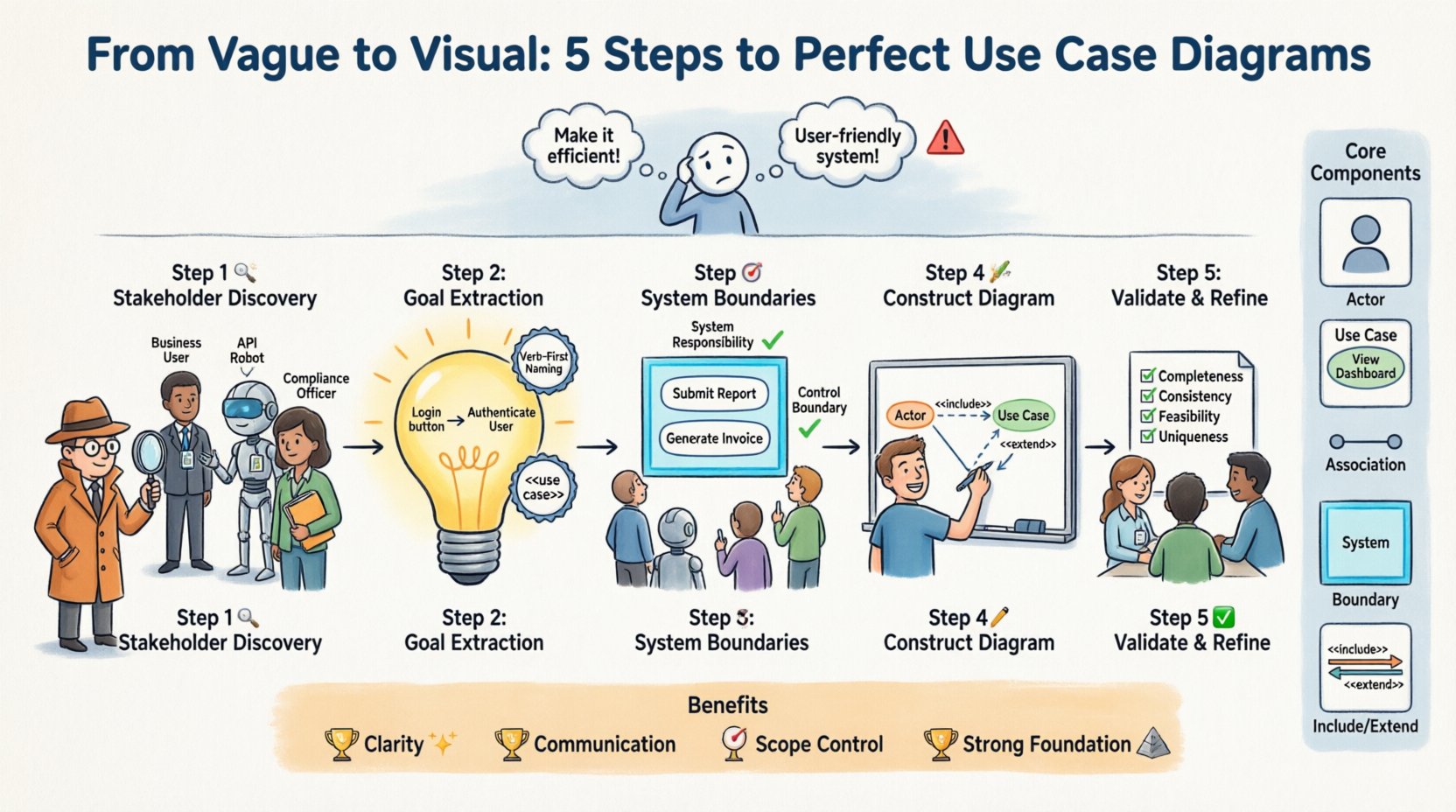
Project success often hinges on clarity. Yet, stakeholders frequently provide requirements that are broad, ambiguous, or contradictory. 🤔 When the initial input lacks specificity, the risk of building the wrong
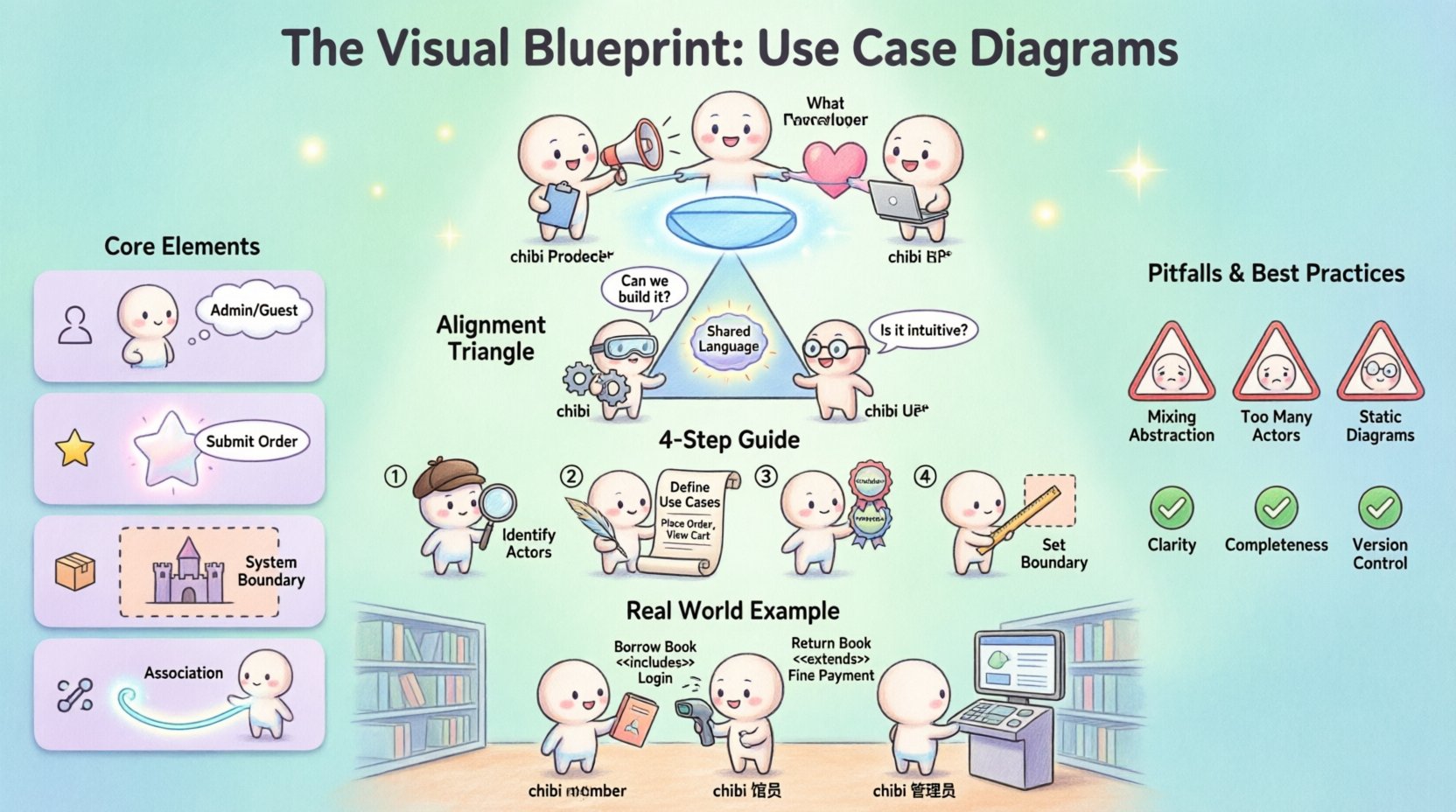
In complex development environments, miscommunication is the costliest inefficiency. 🛑 When product goals drift from technical reality, and user needs are overlooked, projects stall. A Use Case Diagram serves as
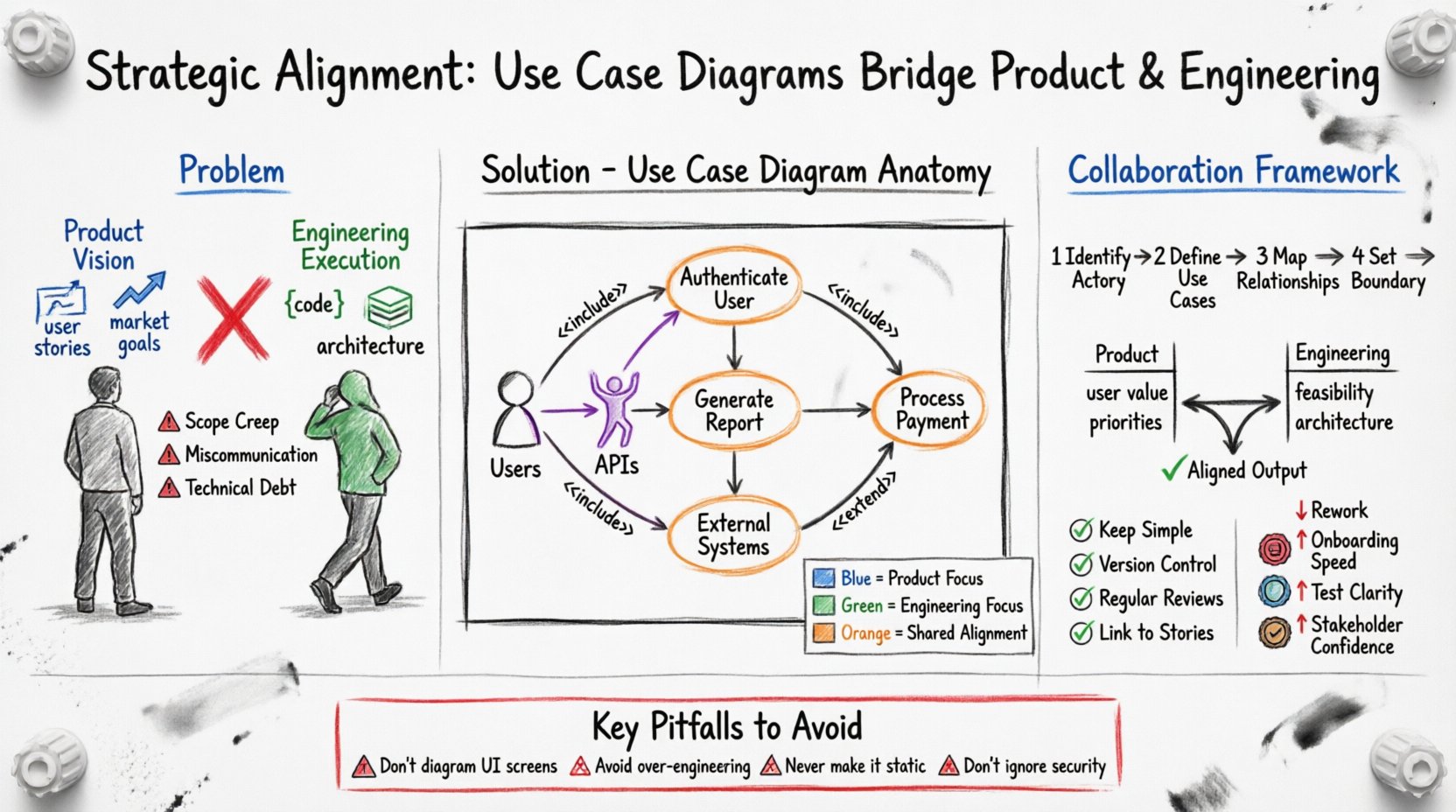
In modern software development, the divide between product strategy and engineering execution often leads to friction. Product teams define what needs to be built to solve user problems, while engineering
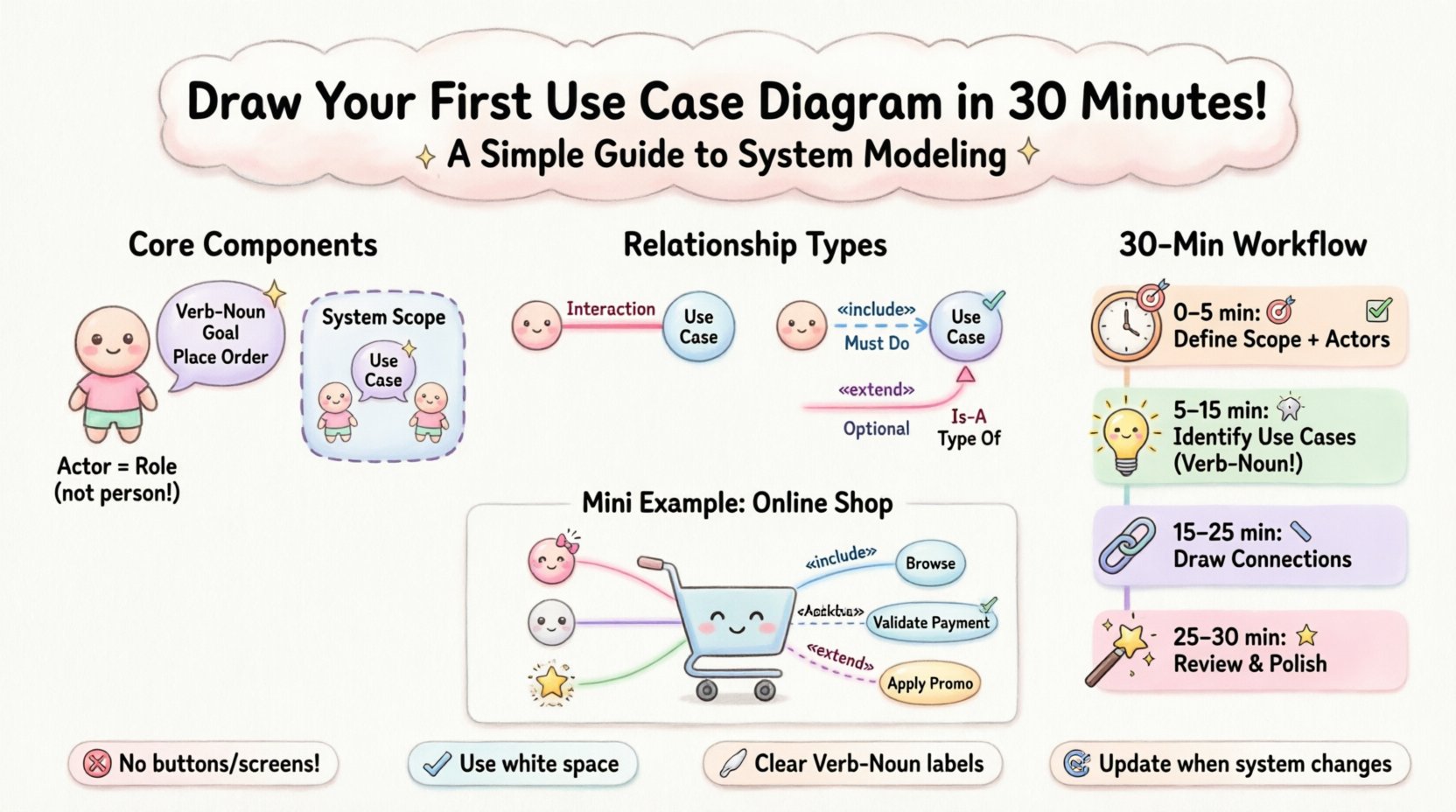
Creating a visual representation of system functionality is a fundamental skill for any analyst or developer. A Use Case Diagram offers a high-level view of how users interact with a
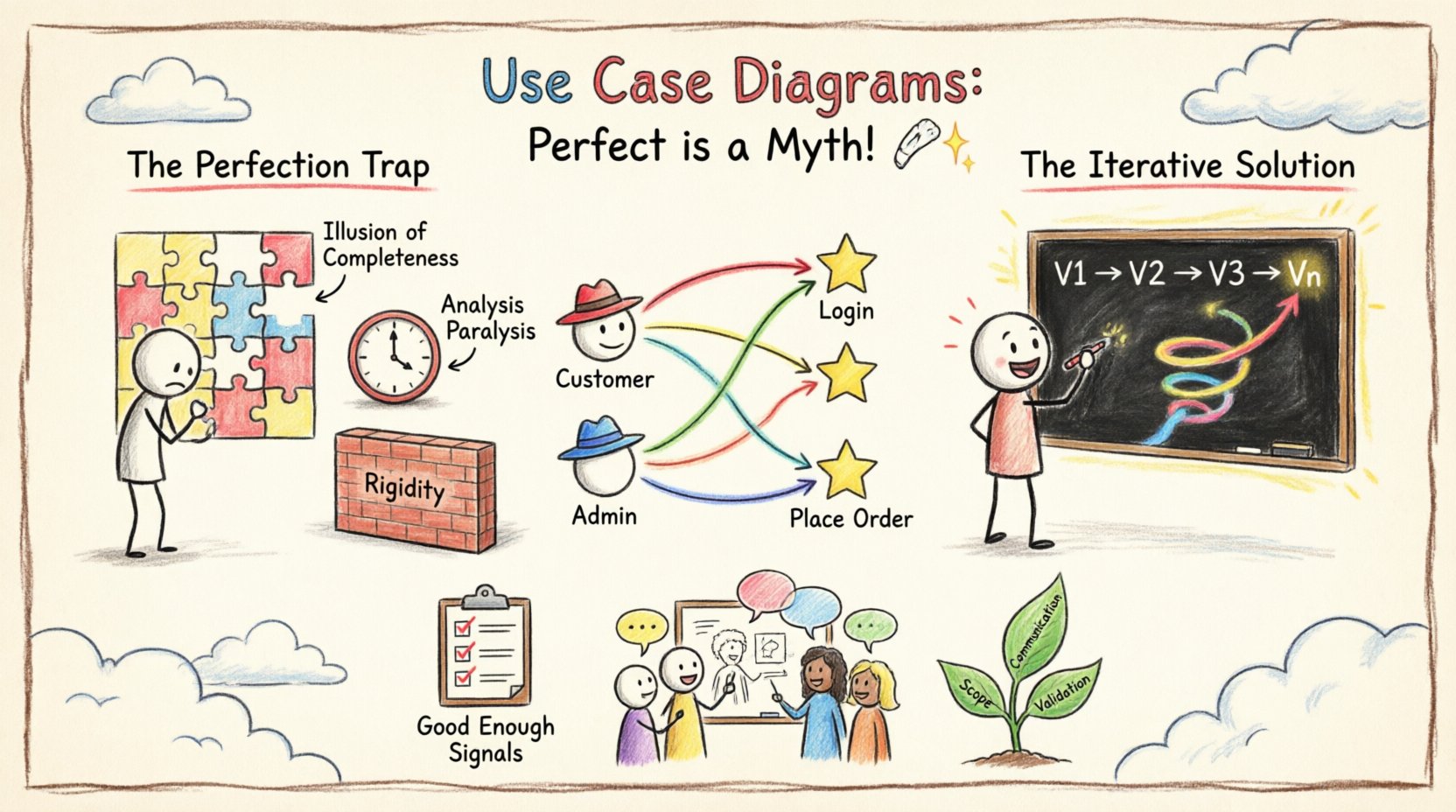
In the landscape of system design, few artifacts are as scrutinized as the Use Case Diagram. Stakeholders often arrive at modeling sessions with a clear expectation: they want a map
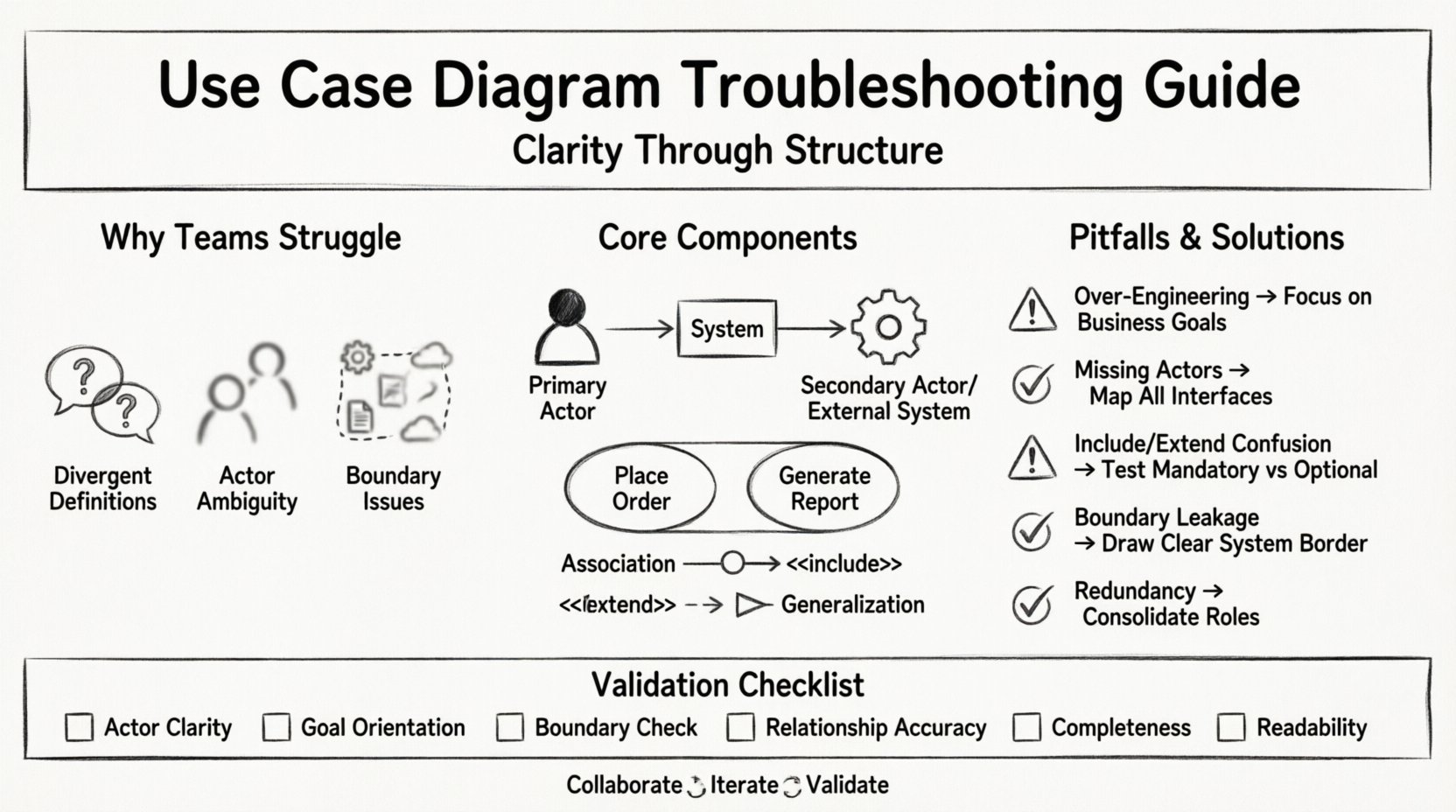
Creating a clear system design is fundamental to successful software development. Among the various modeling techniques available, the Use Case Diagram stands out as a primary tool for capturing functional
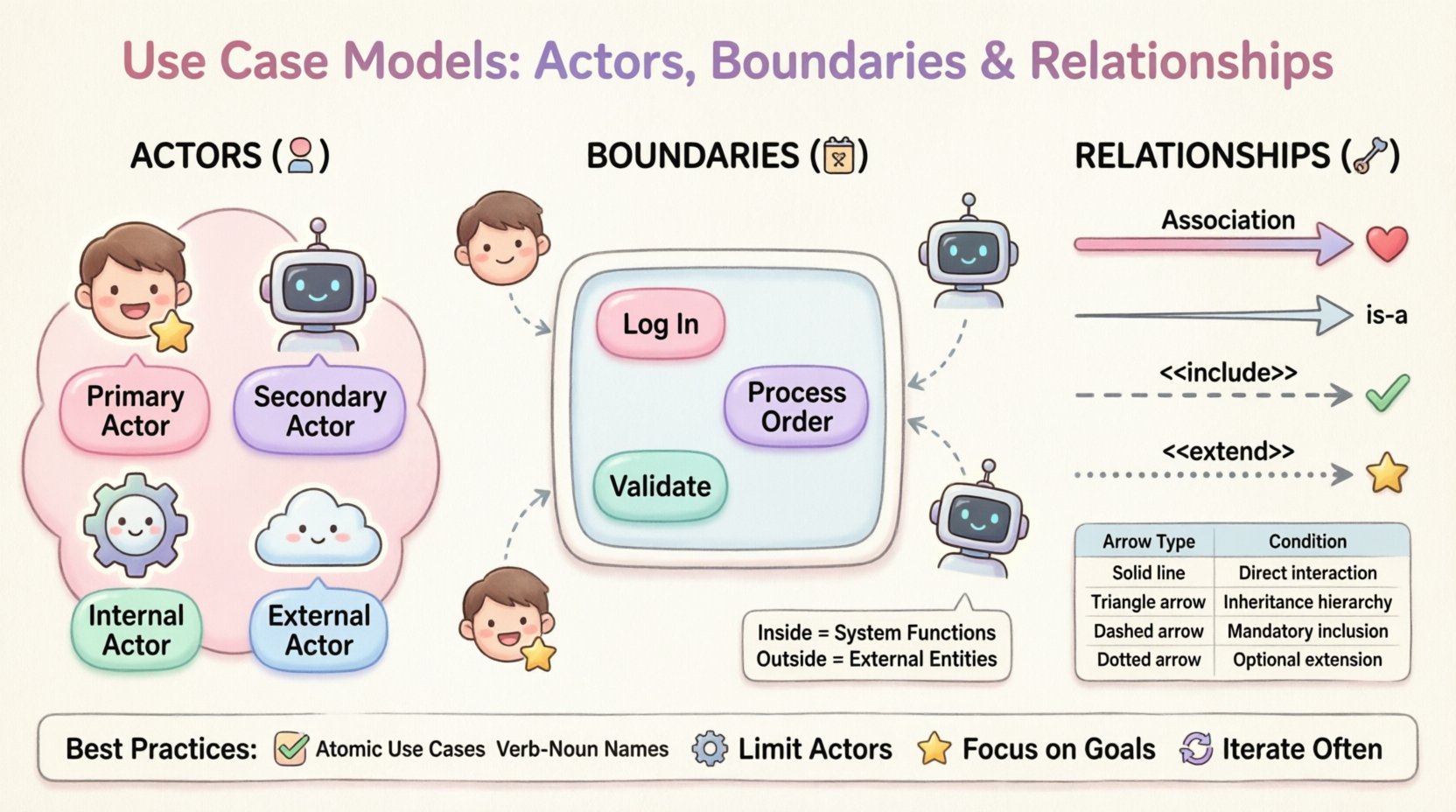
System modeling is a critical phase in software development and requirements engineering. It provides a structured way to visualize how users interact with a system and what functions the system
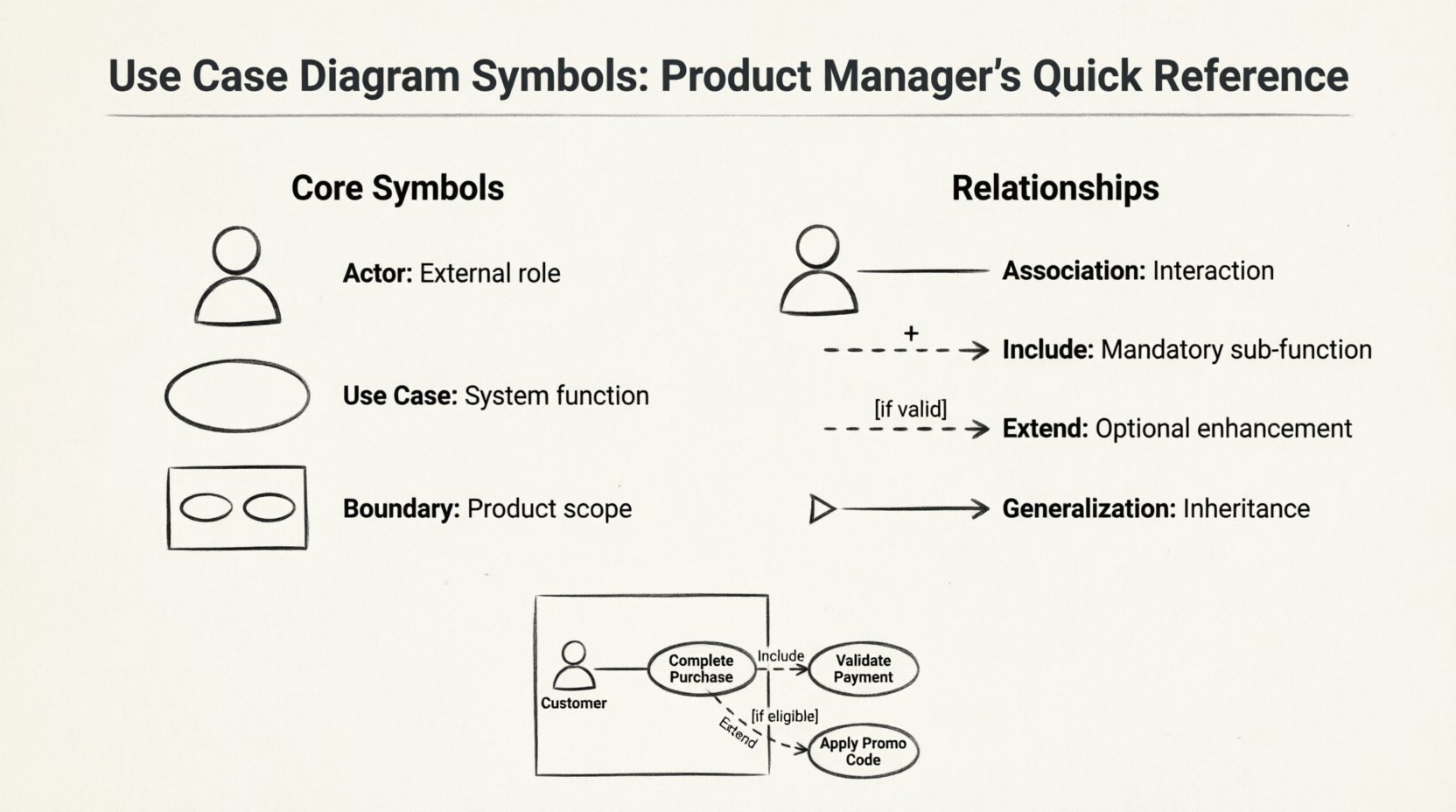
Communication lies at the heart of product development. Whether you are defining scope, aligning stakeholders, or guiding engineering teams, clarity is paramount. Visual models serve as a universal language, bridging