

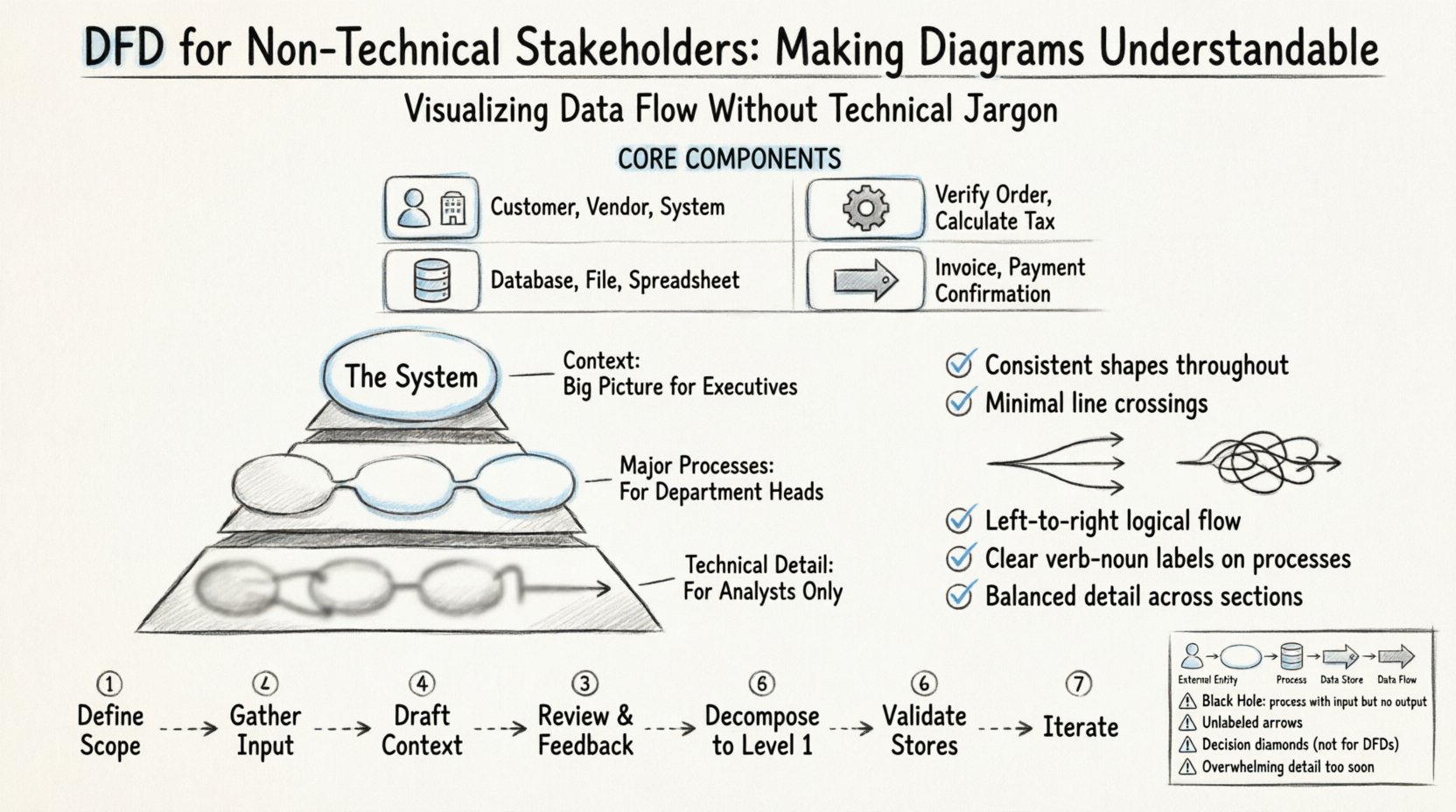
Creating effective documentation is a critical skill in system analysis and business process management. When dealing with complex systems, the Data Flow Diagram (DFD) stands out as a powerful tool

Creating effective documentation is a critical skill in system analysis and business process management. When dealing with complex systems, the Data Flow Diagram (DFD) stands out as a powerful tool
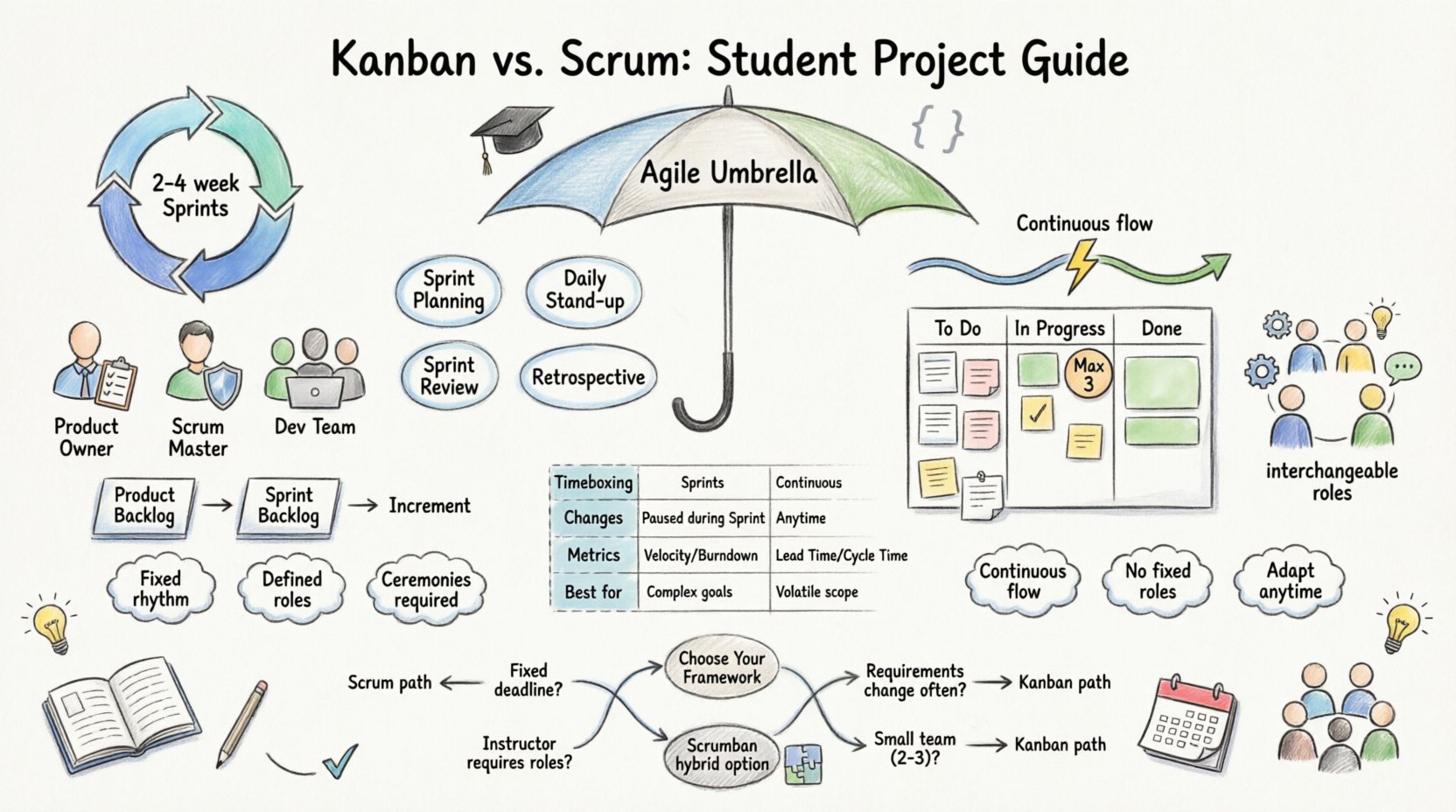
Information Systems courses frequently require teams to deliver complex software solutions within a fixed semester timeline. This environment mirrors real-world development constraints while introducing unique academic pressures. Selecting the appropriate
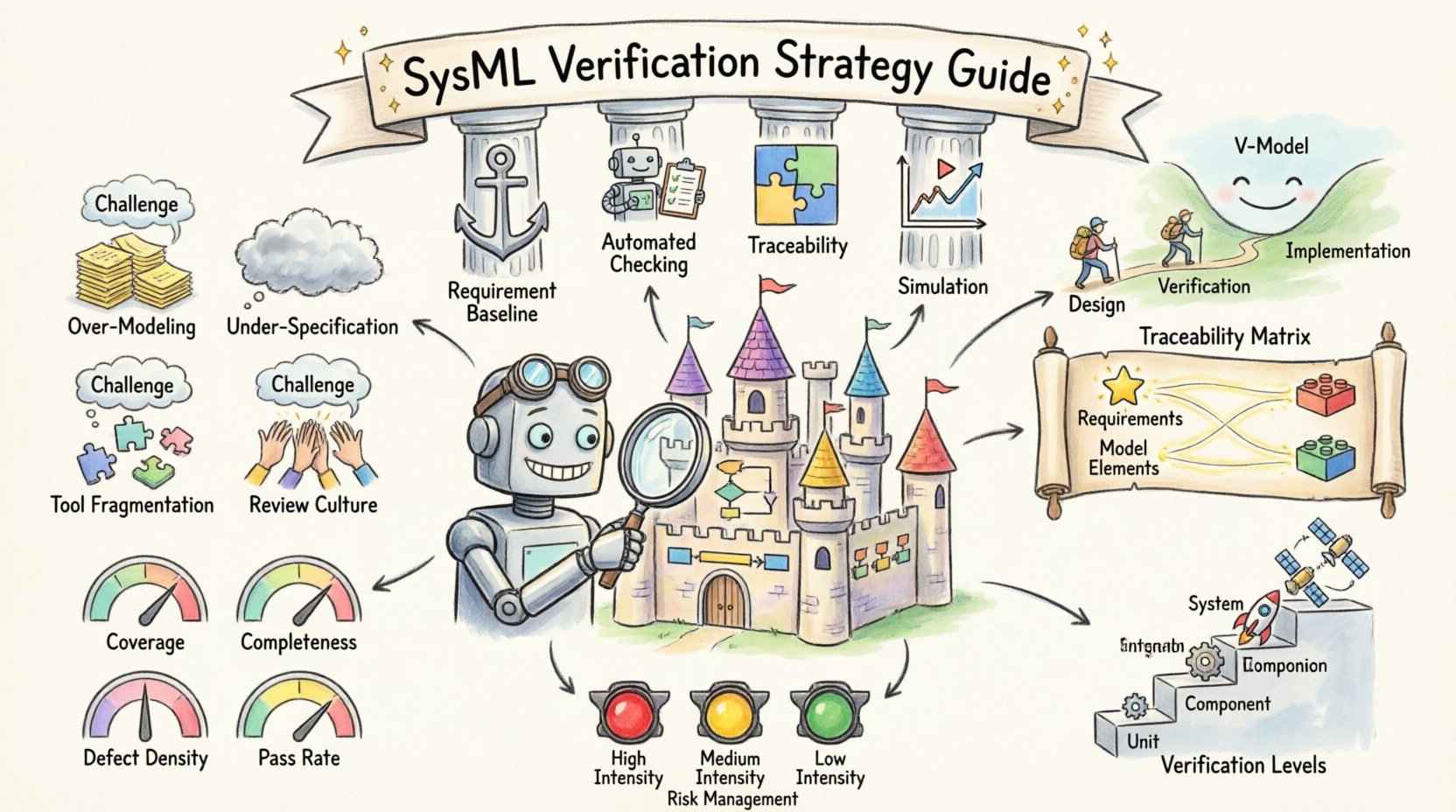
Engineering systems that power aviation, healthcare, defense, and infrastructure requires a level of precision that traditional documentation methods often struggle to maintain. As complexity grows, the risk of ambiguity increases.
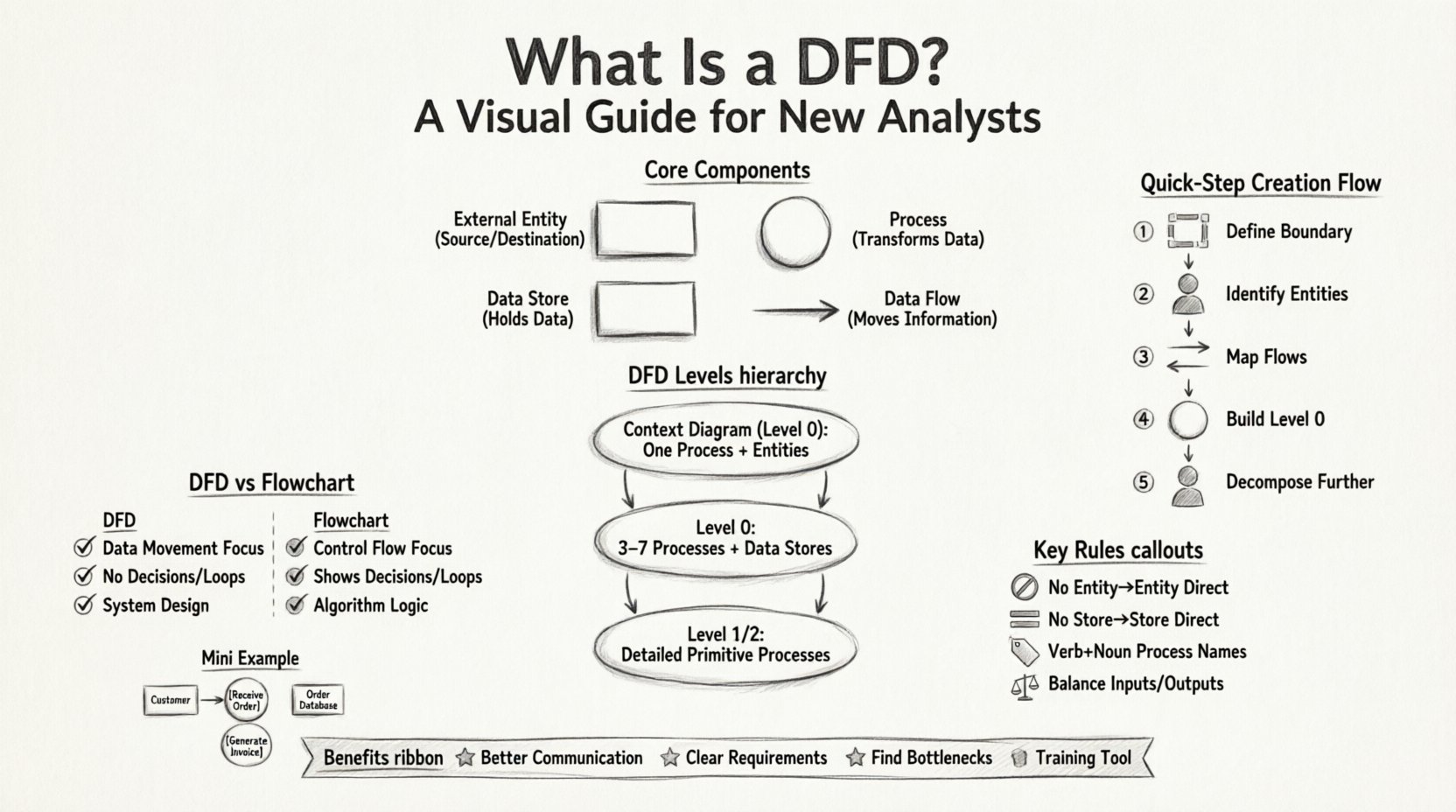
Understanding complex systems requires more than just talking about them. It requires visualizing how information moves through them. This is where the Data Flow Diagram, commonly known as a DFD,
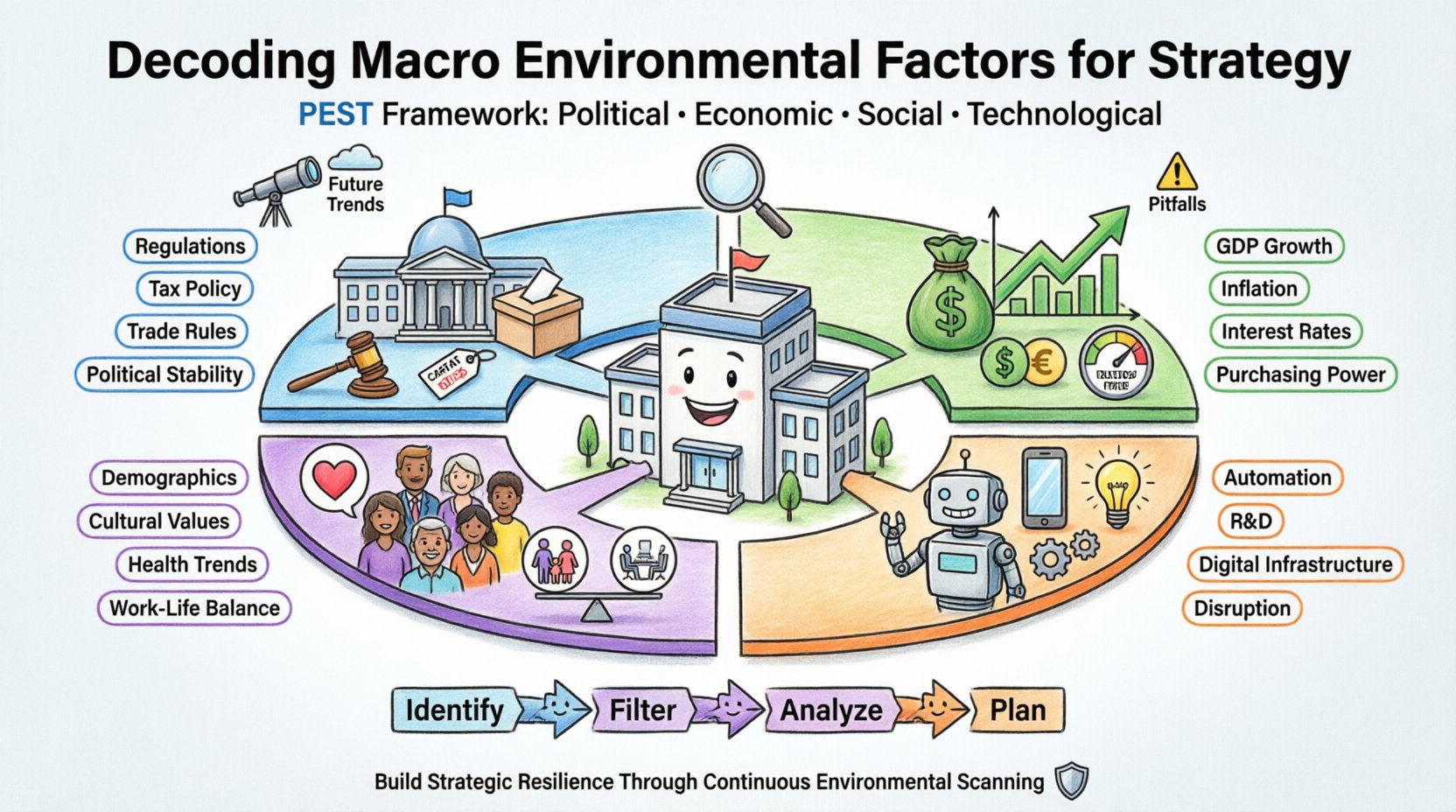
Businesses do not operate in a vacuum. Every decision made within an organization is influenced by forces outside its direct control. These external pressures shape markets, dictate consumer behavior, and
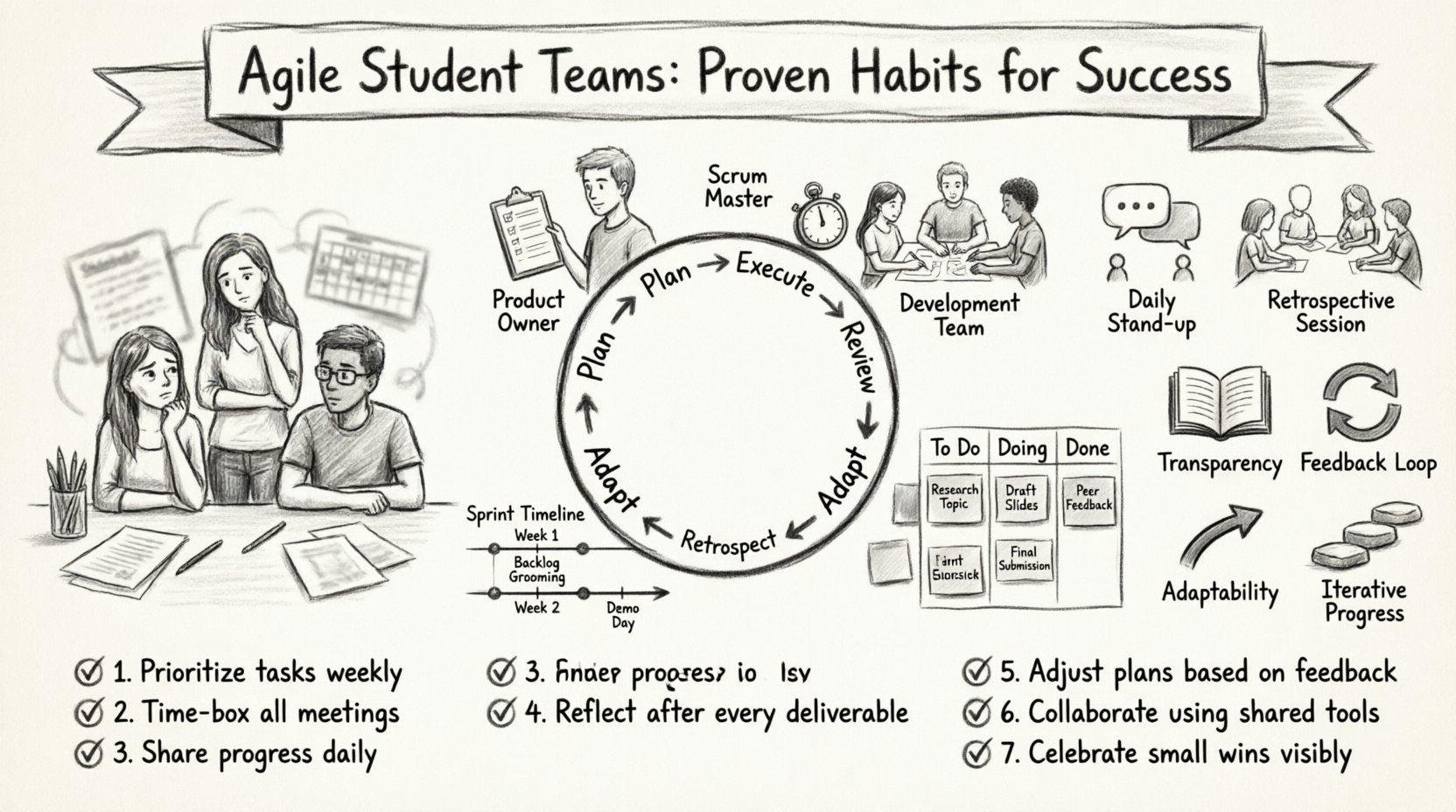
Collaboration in academic settings often resembles a chaotic sprint rather than a structured marathon. Student projects, whether in engineering, humanities, or business, frequently suffer from uneven workloads, unclear deadlines, and
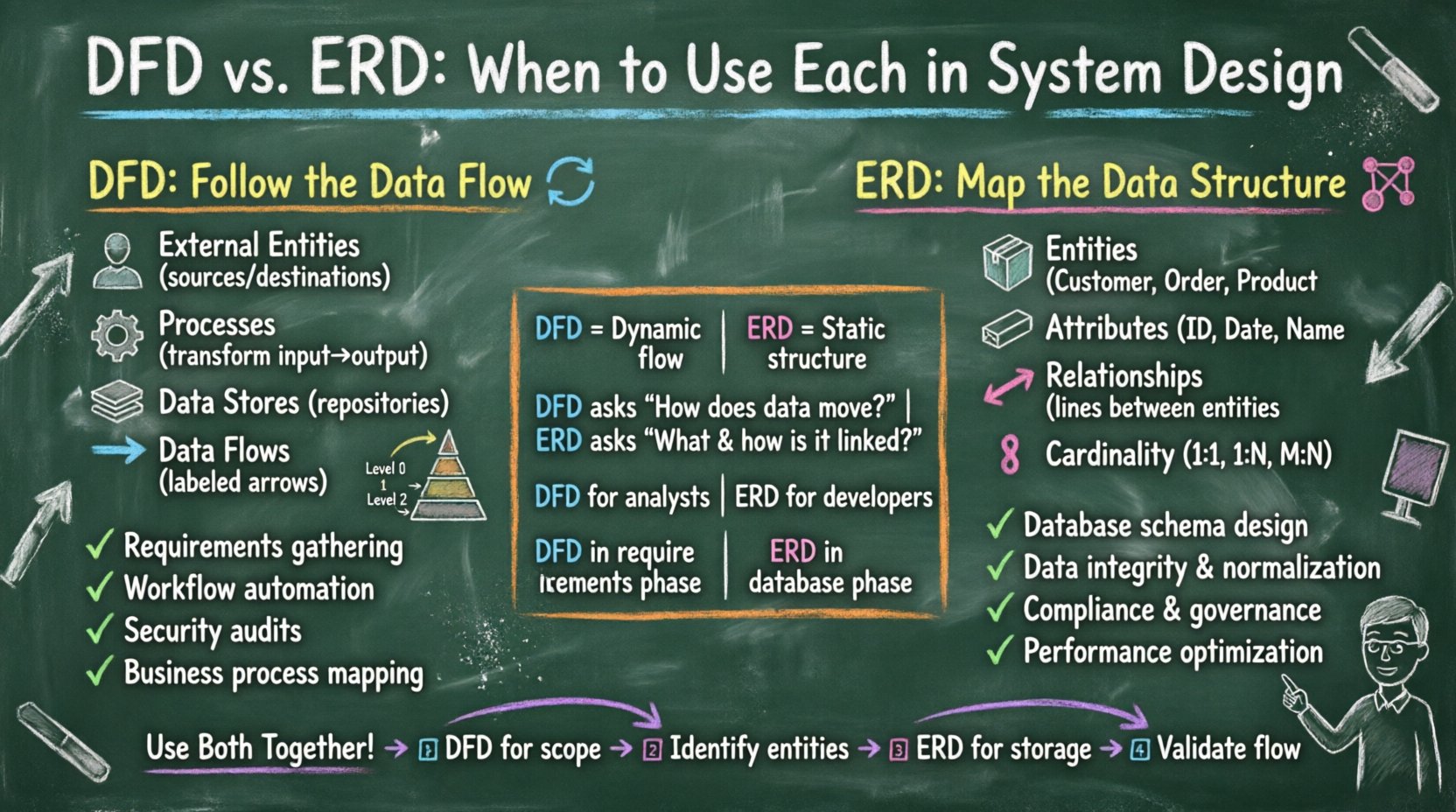
Designing a complex software system requires a clear map of how data moves and where it lives. Without a structured approach, architectures can become brittle, difficult to maintain, and prone
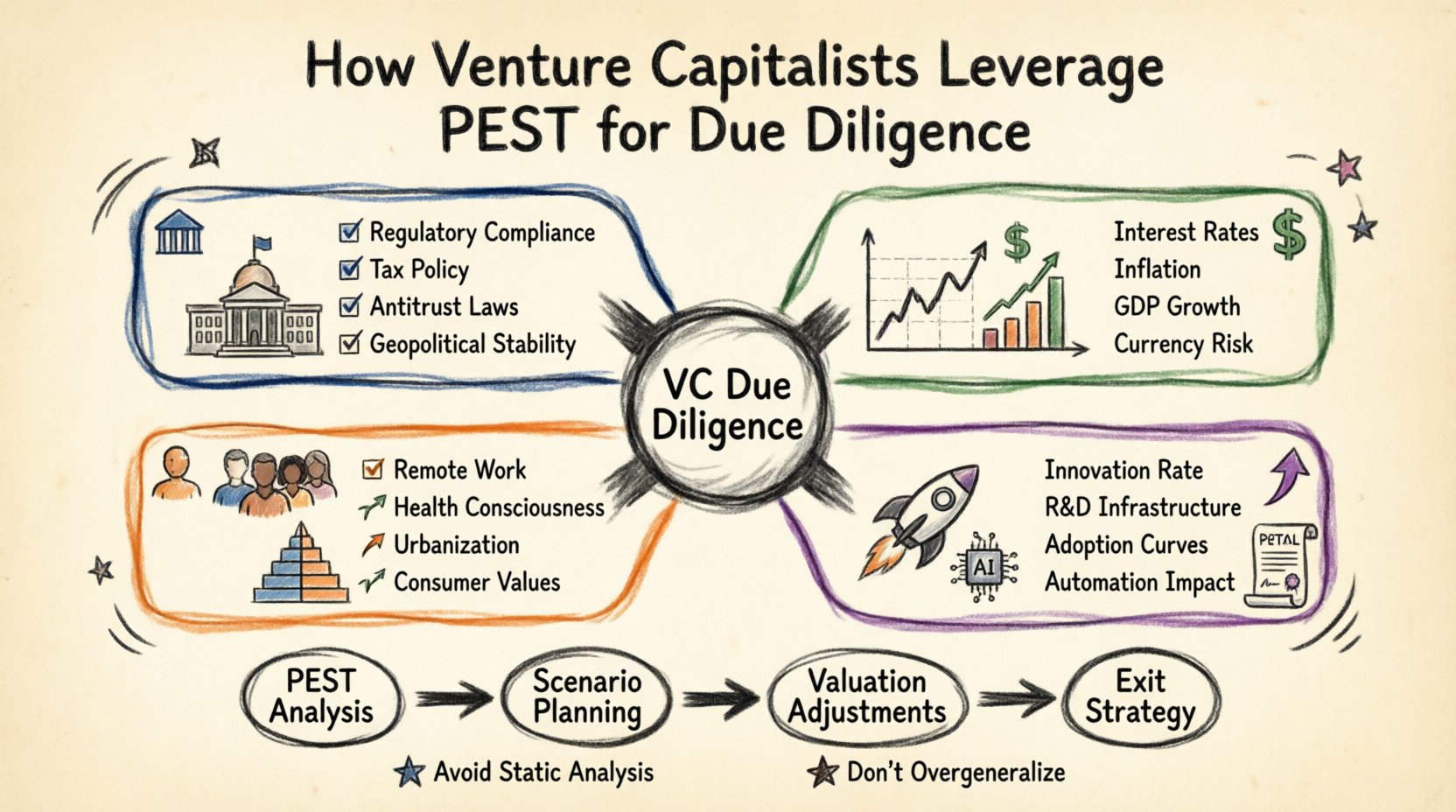
Investing in early-stage companies is not merely a bet on a founder’s vision or a product’s potential. It is a calculation of risk within a volatile environment. Venture capitalists (VCs)
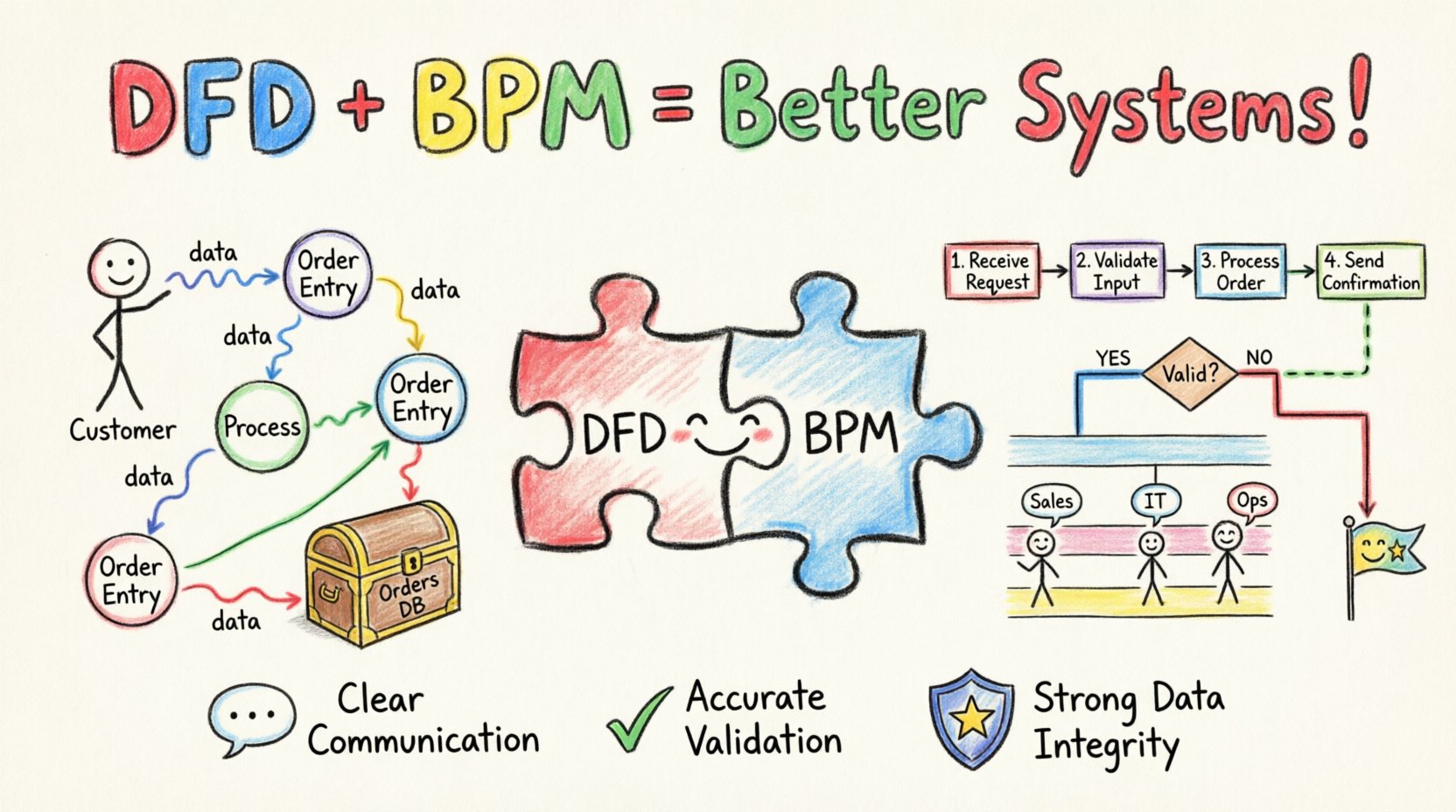
In the complex landscape of system analysis, clarity is currency. Analysts often face the challenge of capturing how a business operates and how data moves through that operation simultaneously. Too
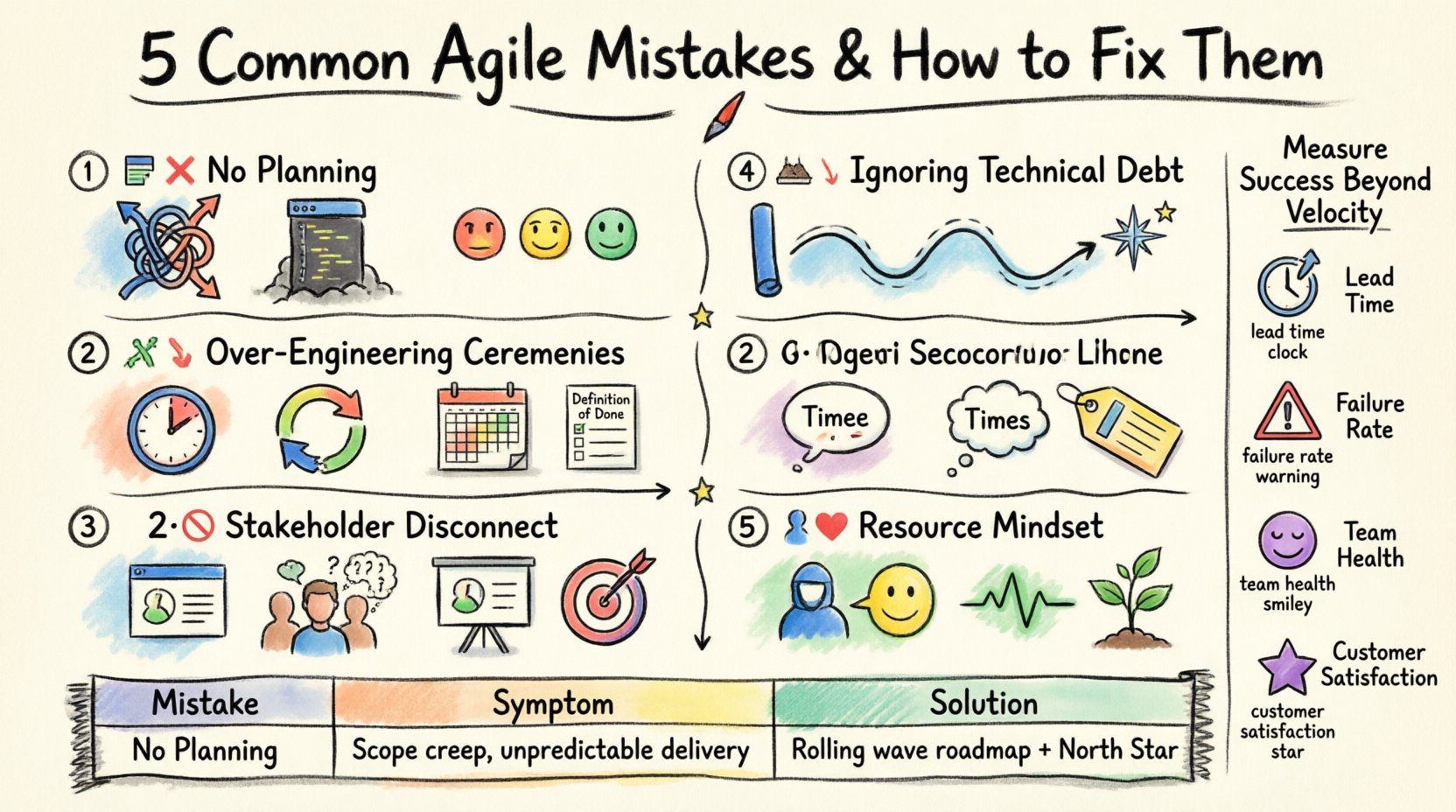
Agile methodology promised speed, flexibility, and customer focus. Yet, many teams find themselves in a paradoxical state: moving fast but going nowhere. The gap between intention and execution often stems