

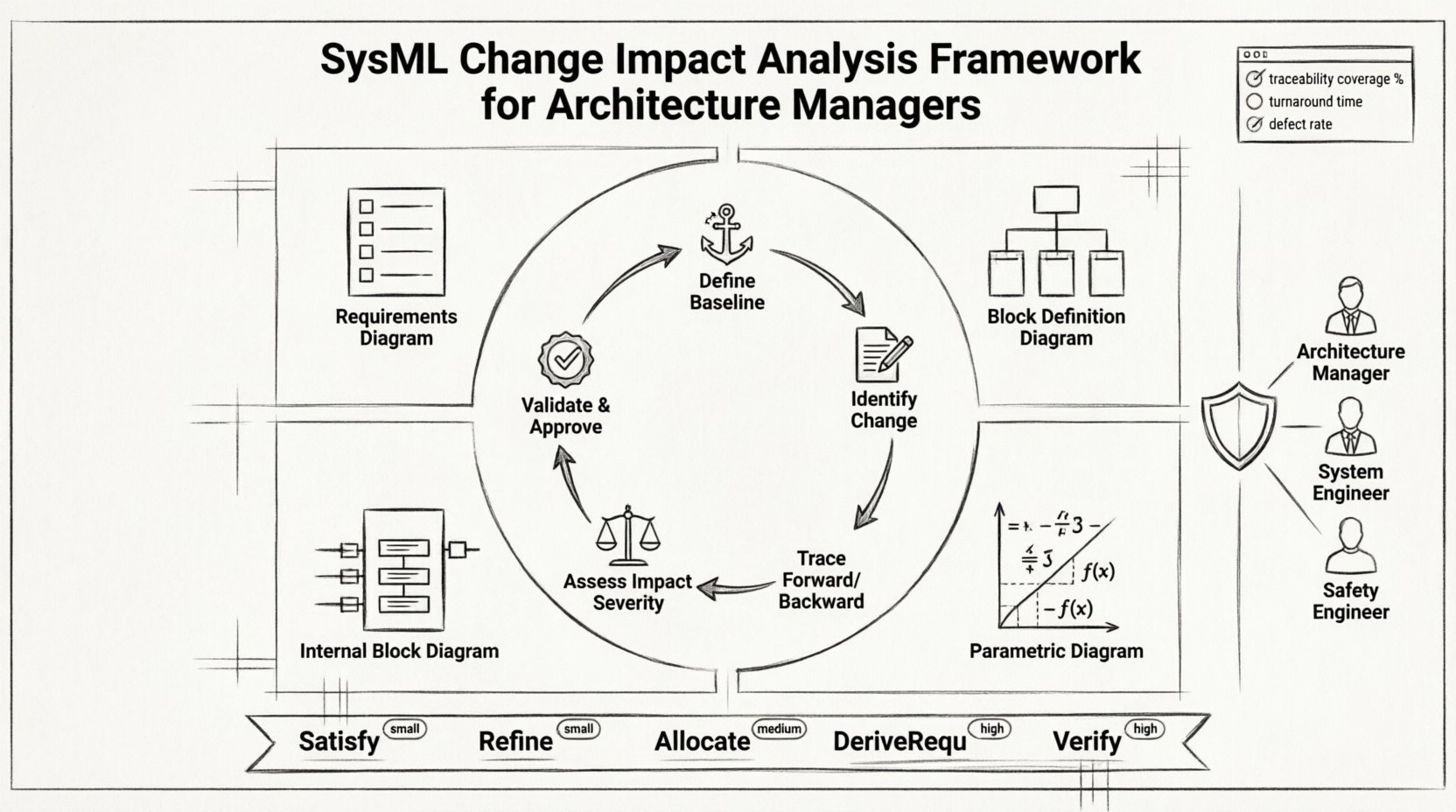
In the landscape of complex system development, the cost of change grows exponentially as the project lifecycle advances. Architecture managers face a critical challenge: ensuring that modifications to a system

In the landscape of complex system development, the cost of change grows exponentially as the project lifecycle advances. Architecture managers face a critical challenge: ensuring that modifications to a system
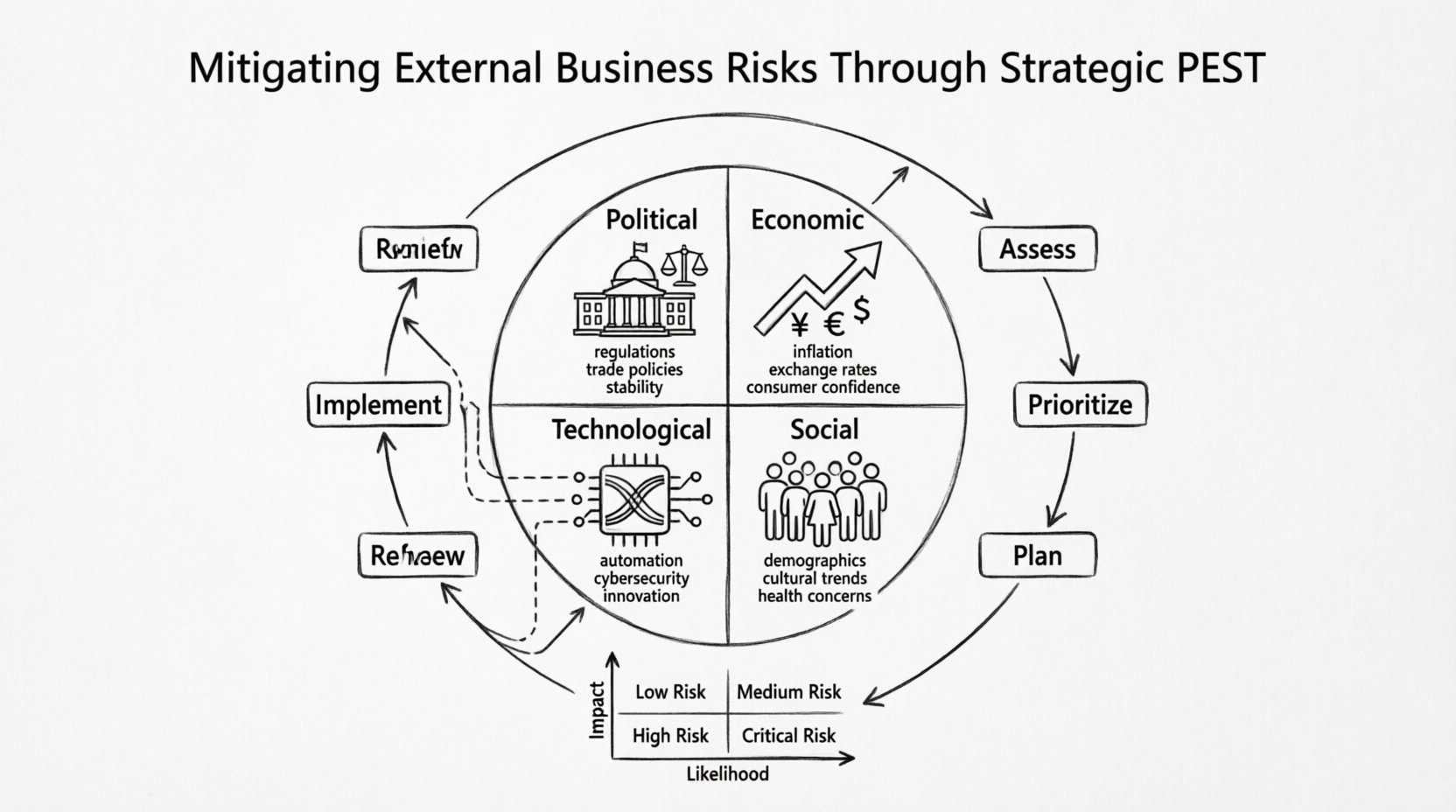
In an increasingly volatile global marketplace, internal efficiency is only half of the equation. The other half lies in understanding the environment in which a business operates. External forces can
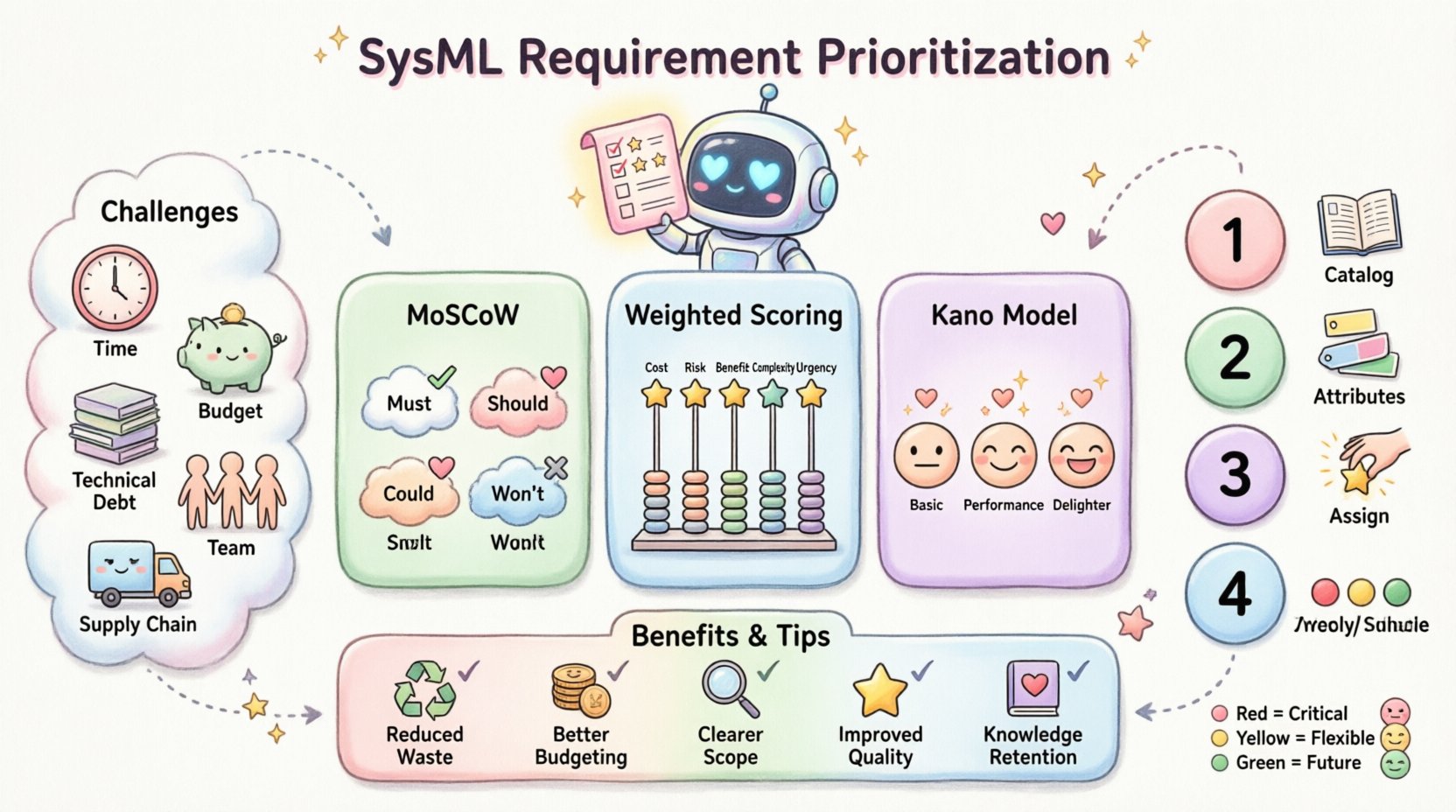
In systems engineering, the gap between ambition and availability often defines project success. When resources are scarce, every decision carries weight. A SysML requirement prioritization framework becomes more than a
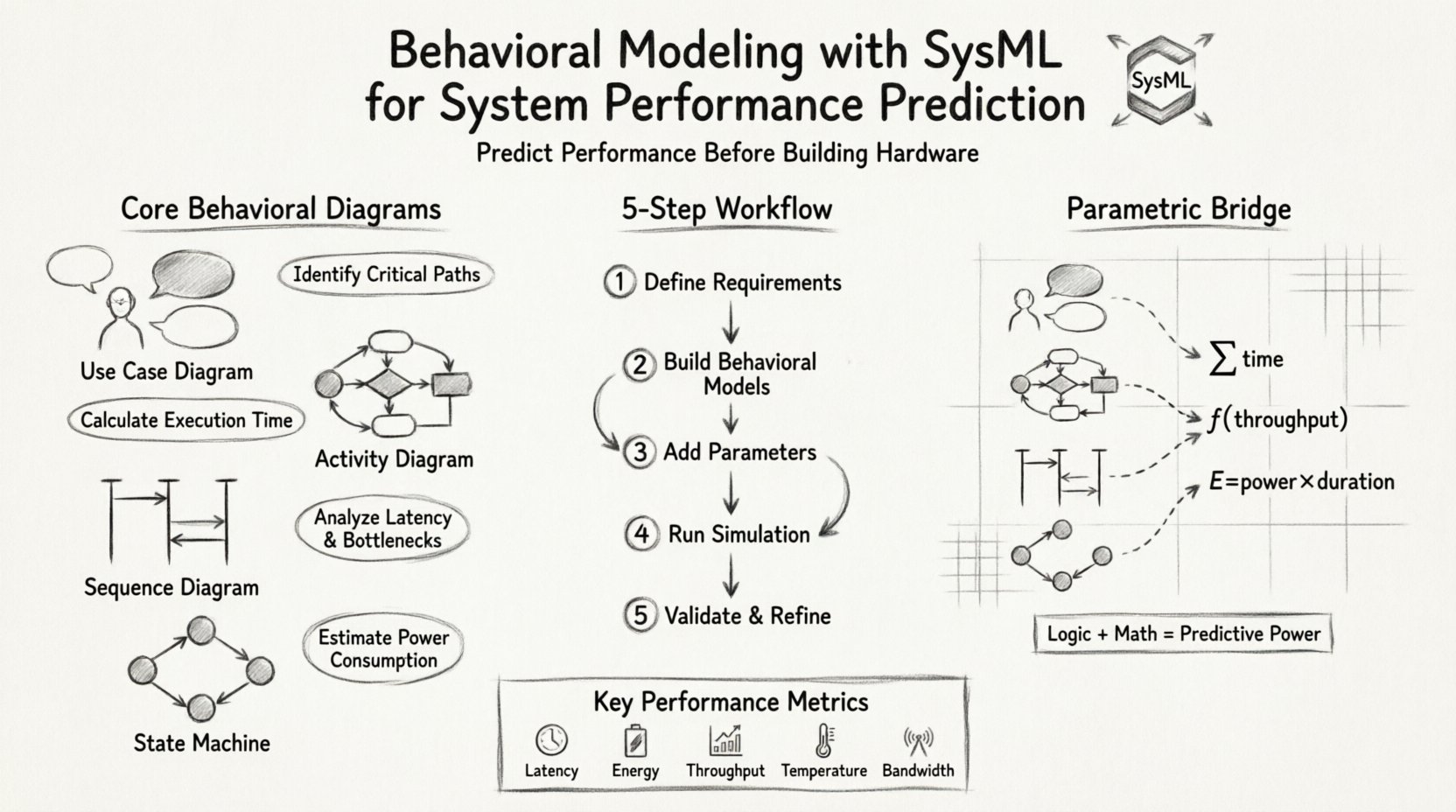
System Performance Prediction is a critical milestone in the lifecycle of complex engineering projects. Without accurate models, teams rely on physical prototypes, which are costly and time-consuming to modify. SysML
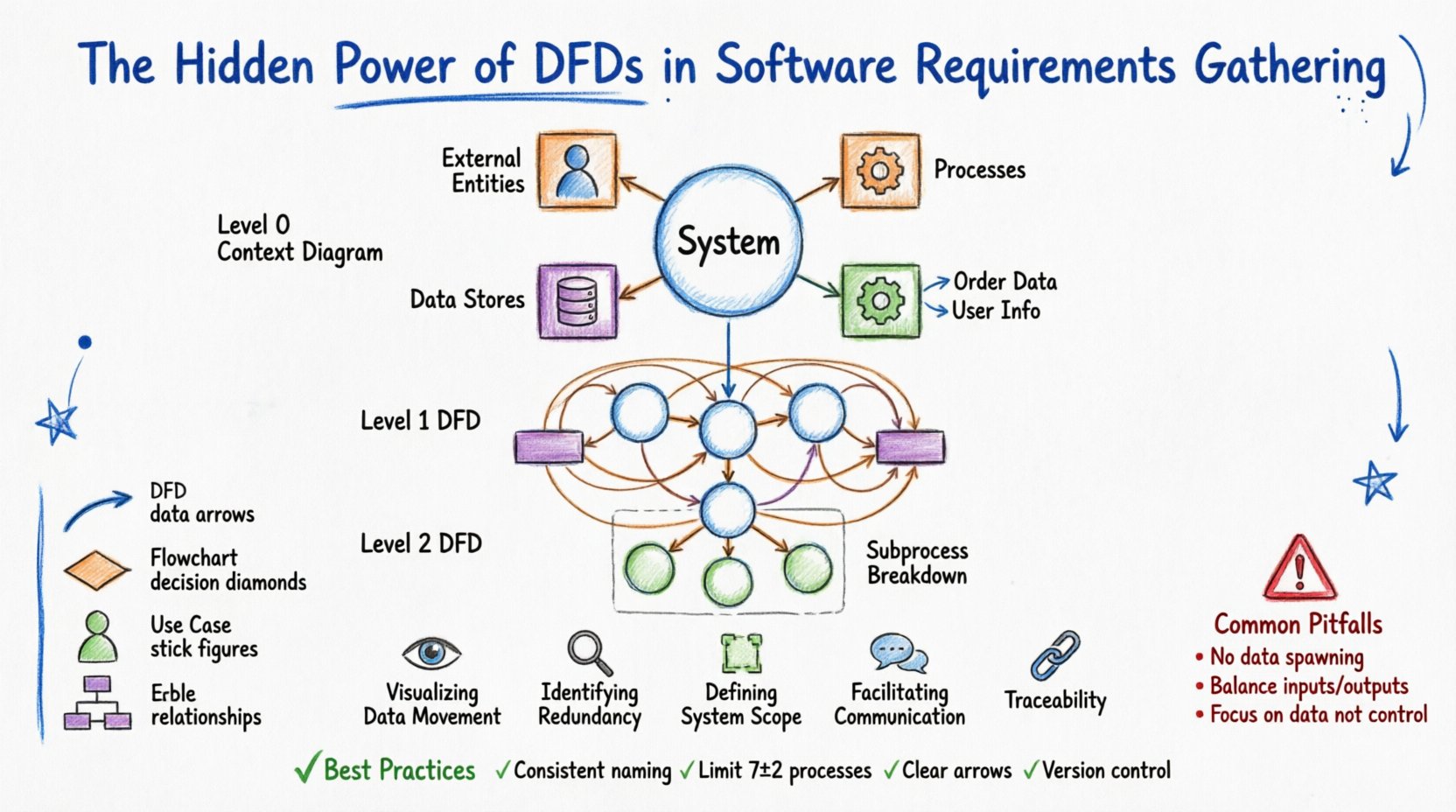
Software projects often stumble not because of code quality, but because of misunderstood requirements. When teams jump straight into design or development without a clear map of data movement, the
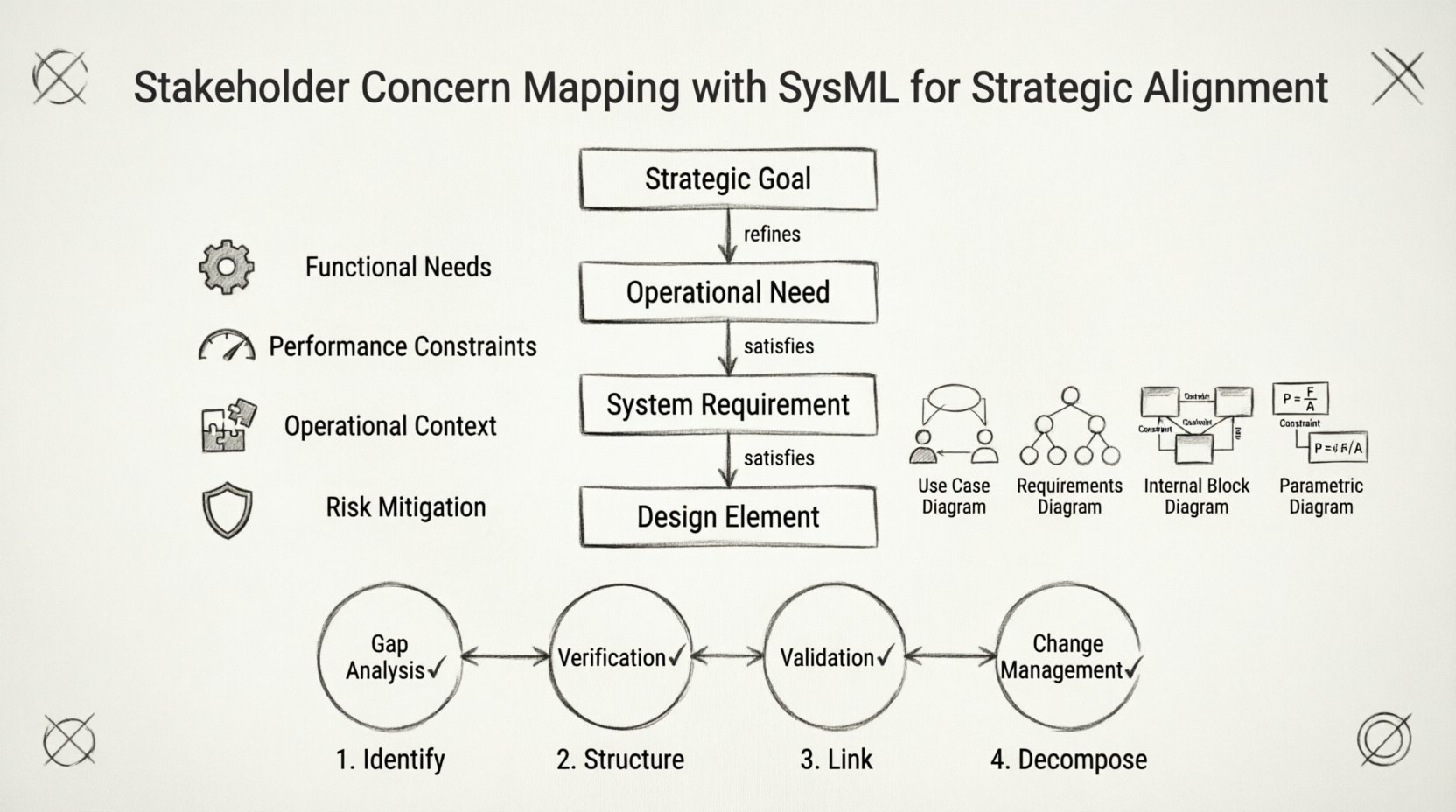
In the complex landscape of systems engineering, clarity often emerges from chaos through disciplined modeling. Stakeholder concerns are the bedrock of any successful project, representing the specific needs, constraints, and
Entering the professional landscape as an Information Systems graduate marks a significant transition from academic theory to practical application. While university curricula provide a strong foundation in systems analysis, database
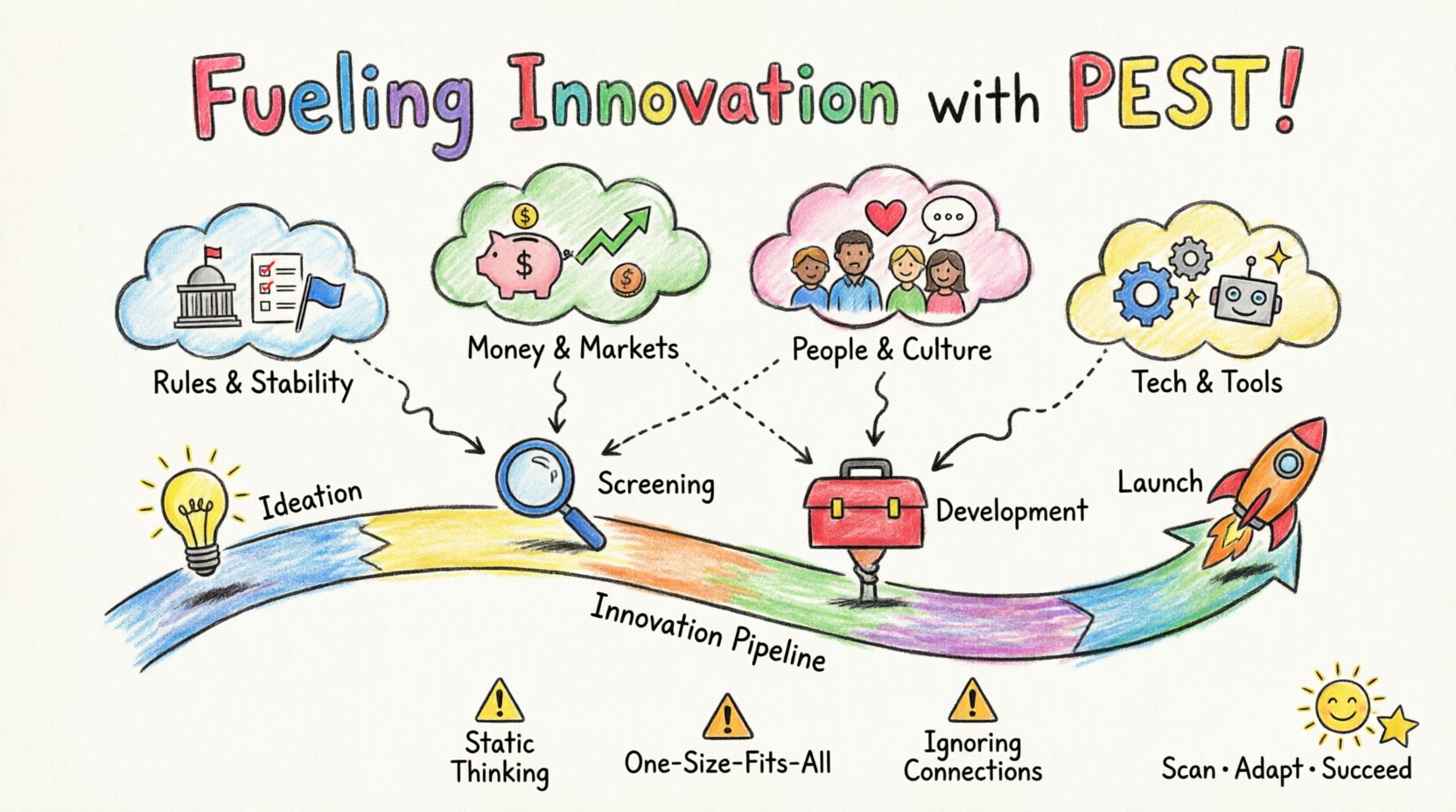
Innovation does not occur in a vacuum. It unfolds within a complex web of external forces that dictate feasibility, timing, and market fit. To sustain a robust innovation pipeline, organizations
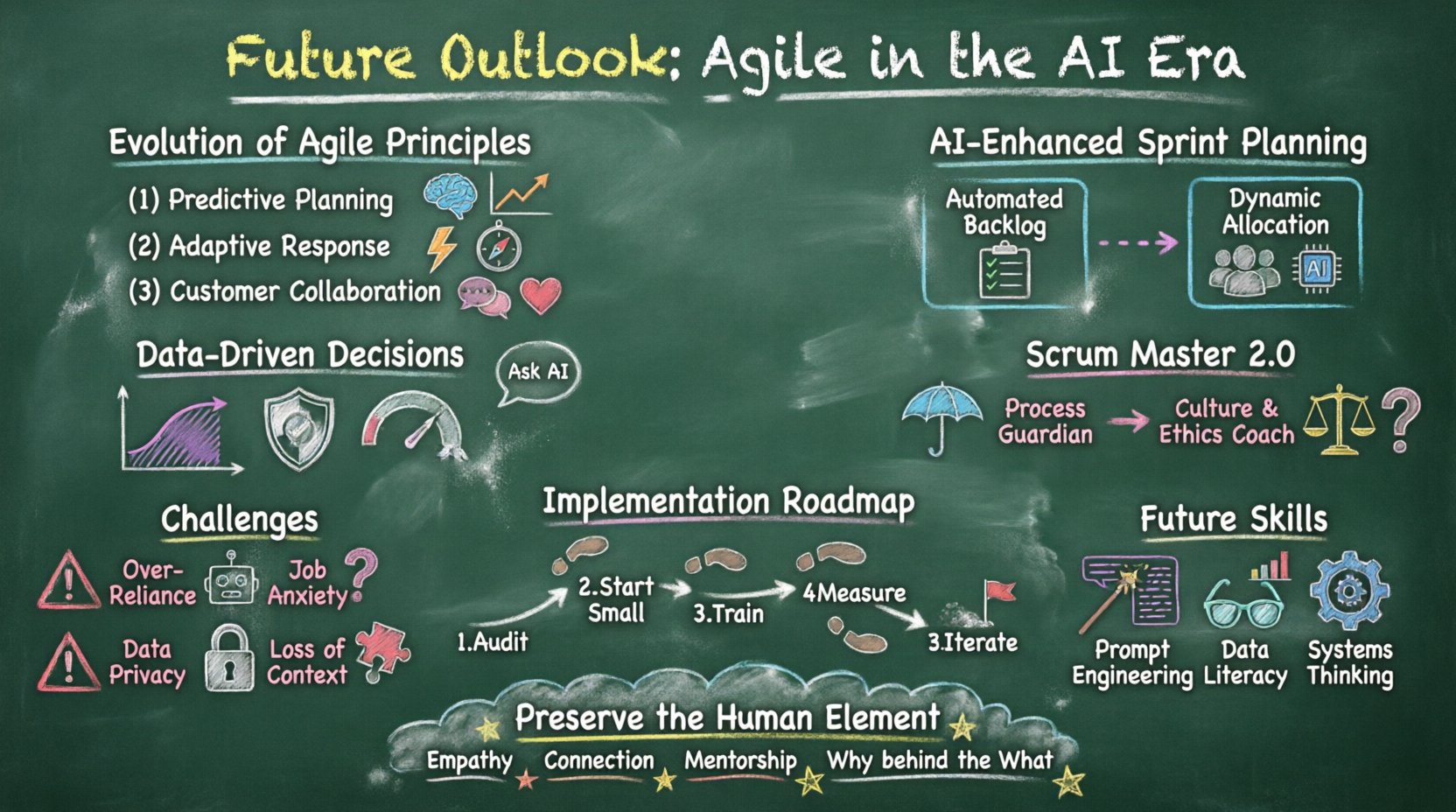
The landscape of software development is shifting beneath our feet. For two decades, Agile methodologies have provided the framework for iterative progress, customer feedback, and adaptive planning. However, the rapid
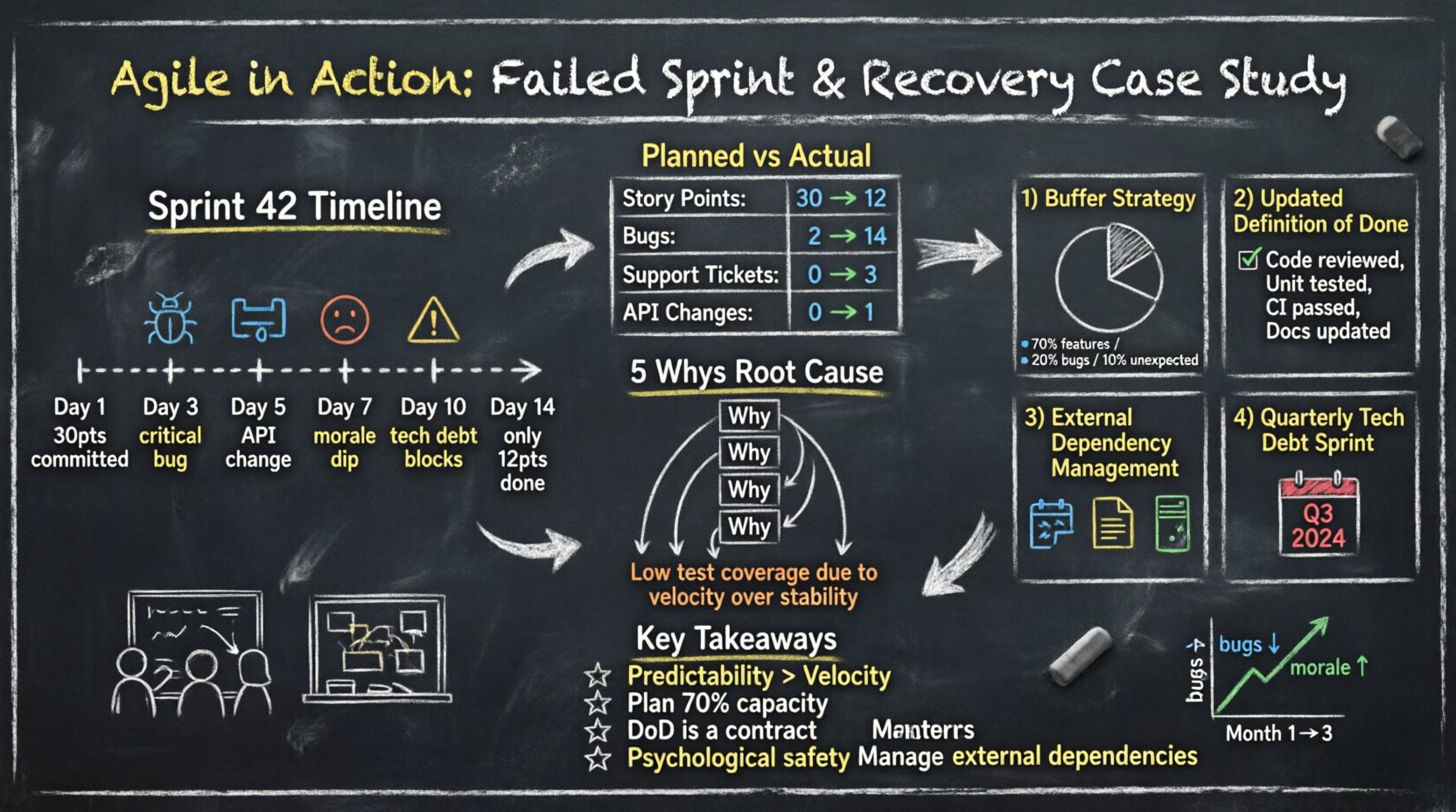
Agile methodology promises flexibility, responsiveness, and continuous improvement. However, the reality often includes setbacks. A failed sprint is not an anomaly; it is a data point. Understanding how a team