

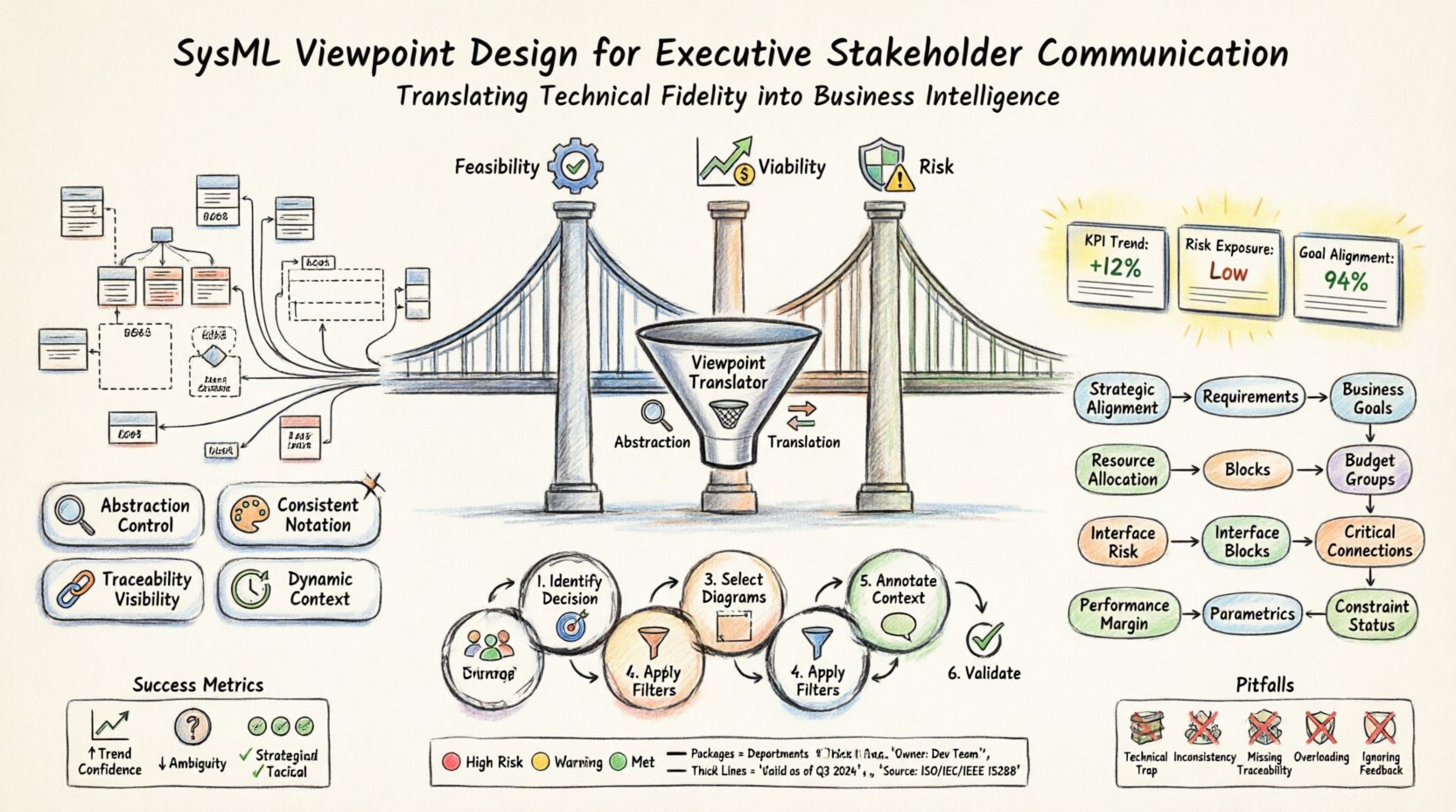
In complex systems engineering, the distance between a detailed model and a strategic decision can feel insurmountable. Executives do not need to see every connection or parameter. They need clarity,

In complex systems engineering, the distance between a detailed model and a strategic decision can feel insurmountable. Executives do not need to see every connection or parameter. They need clarity,
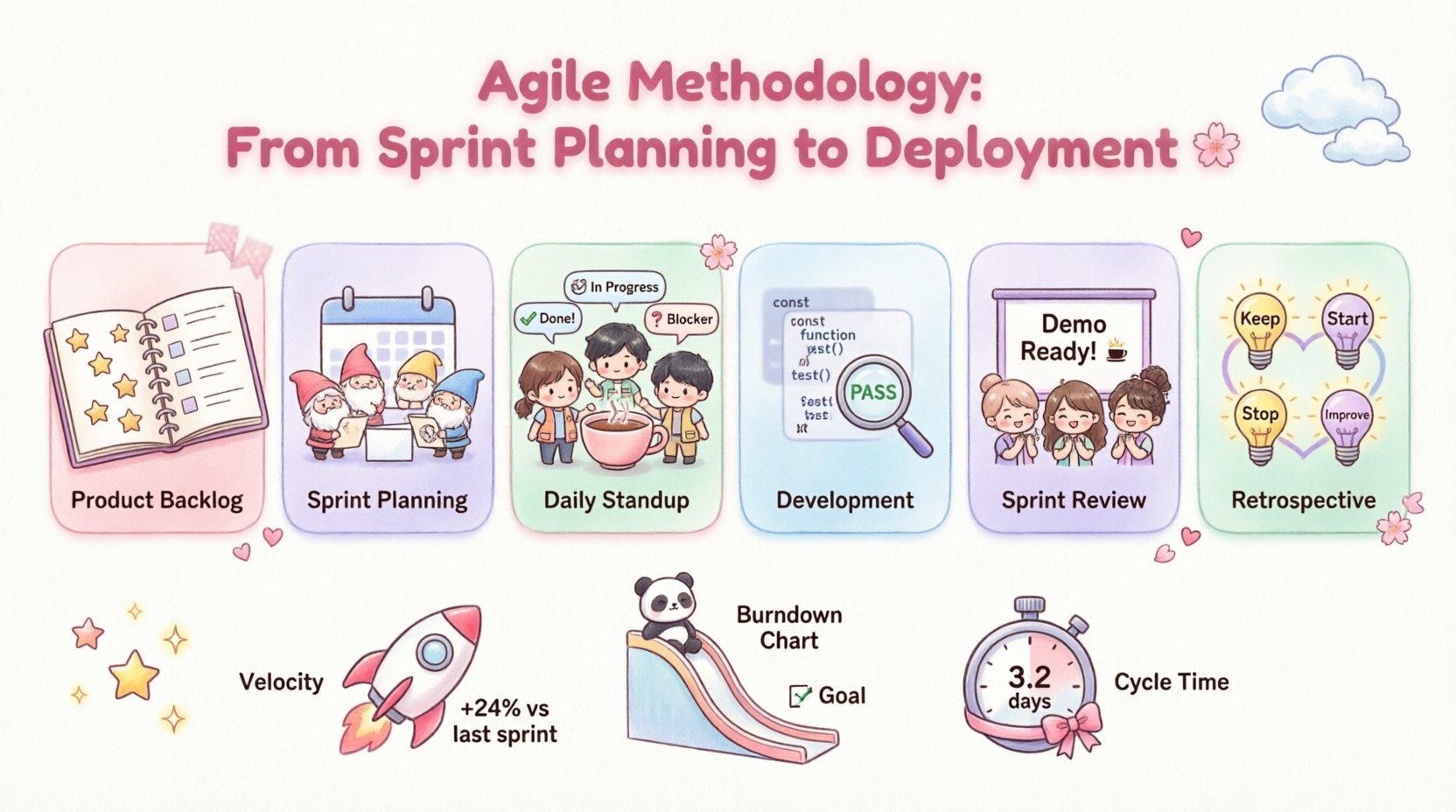
In the modern landscape of software development and project management, flexibility and speed are paramount. Traditional linear approaches often struggle to adapt to changing market demands or shifting user needs.
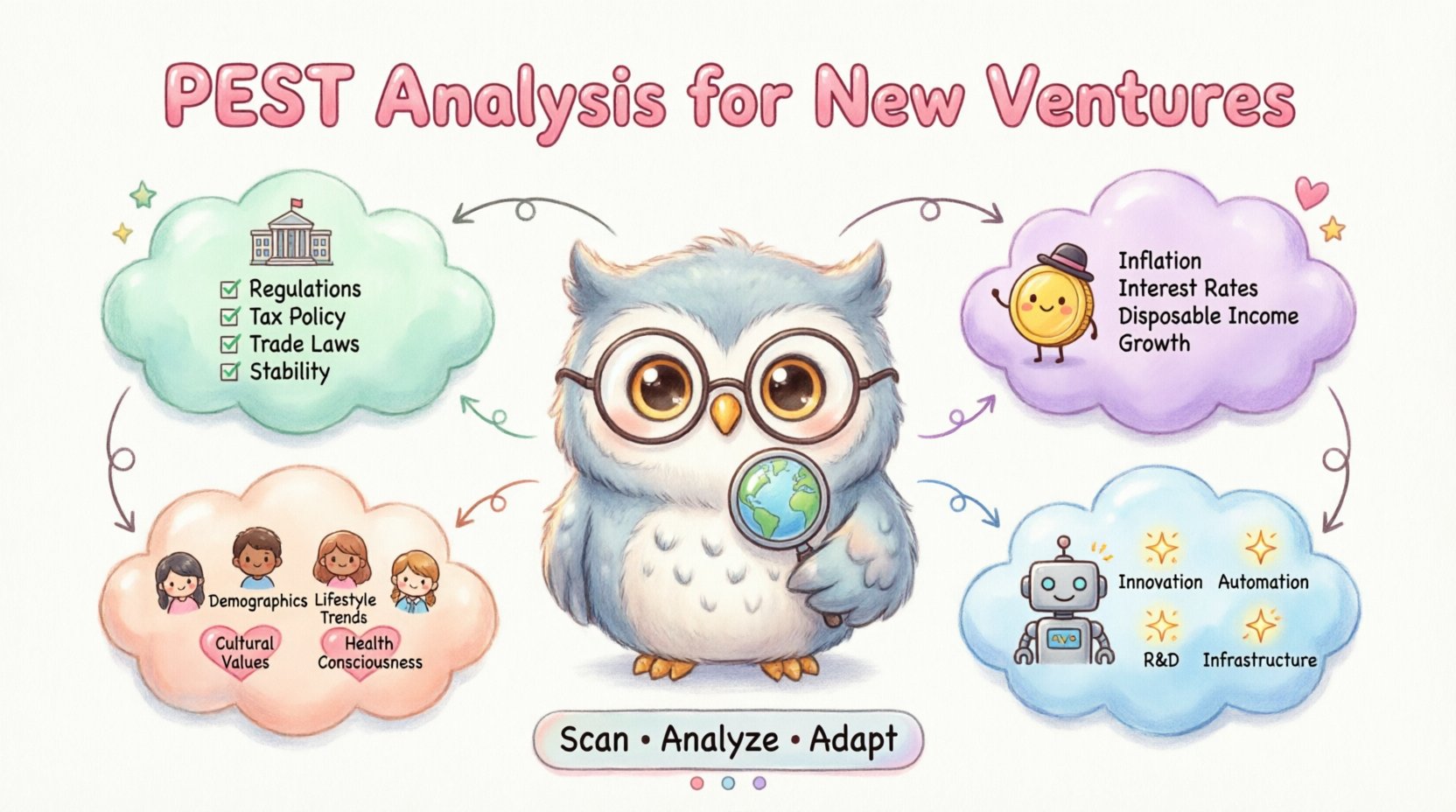
Entering the market with a new venture involves navigating a complex landscape of external forces. While internal capabilities and product quality matter, the environment dictates whether a business survives. The
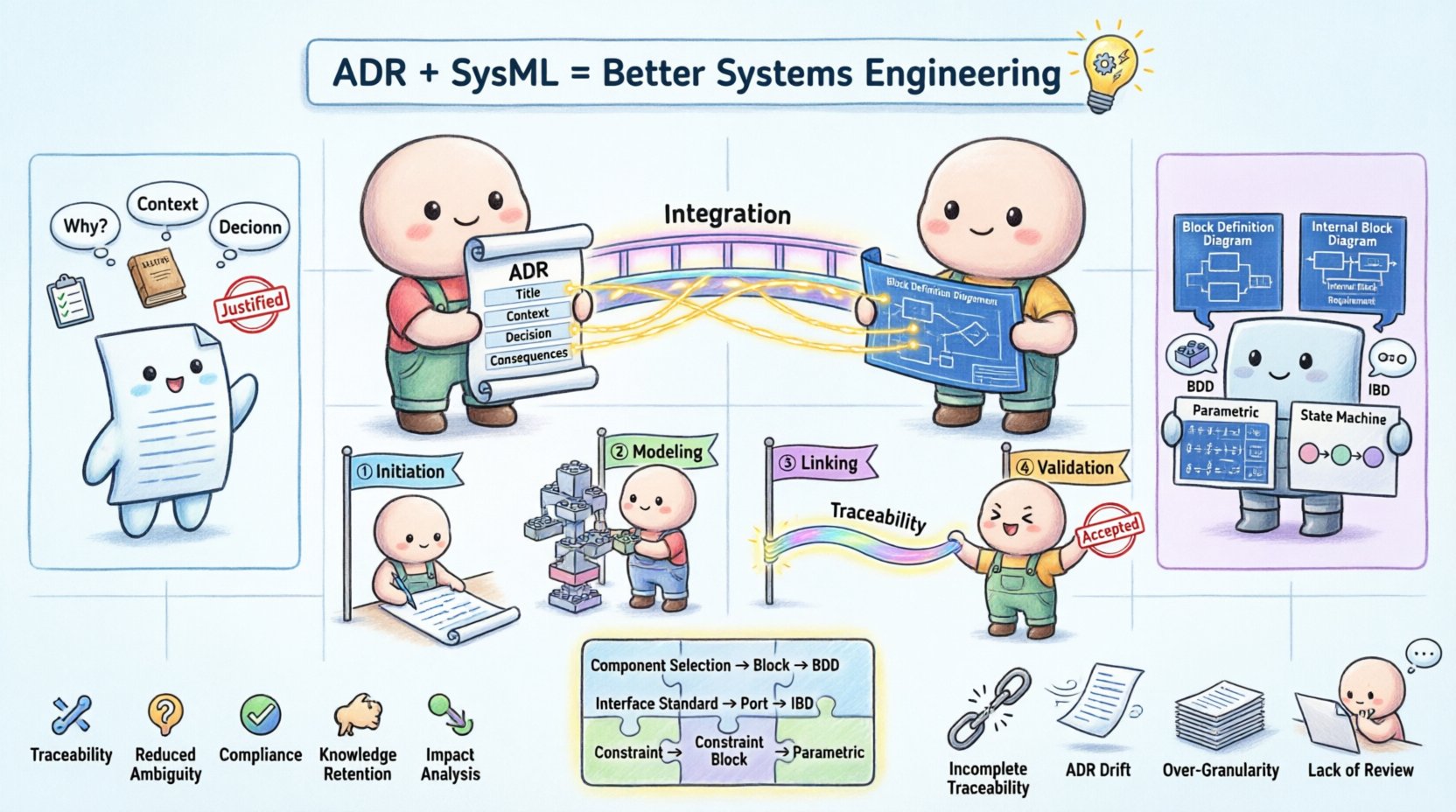
Systems engineering demands precision. When complex systems are built, the reasoning behind structural choices must be as documented as the structures themselves. This guide explores the integration of Architecture Decision
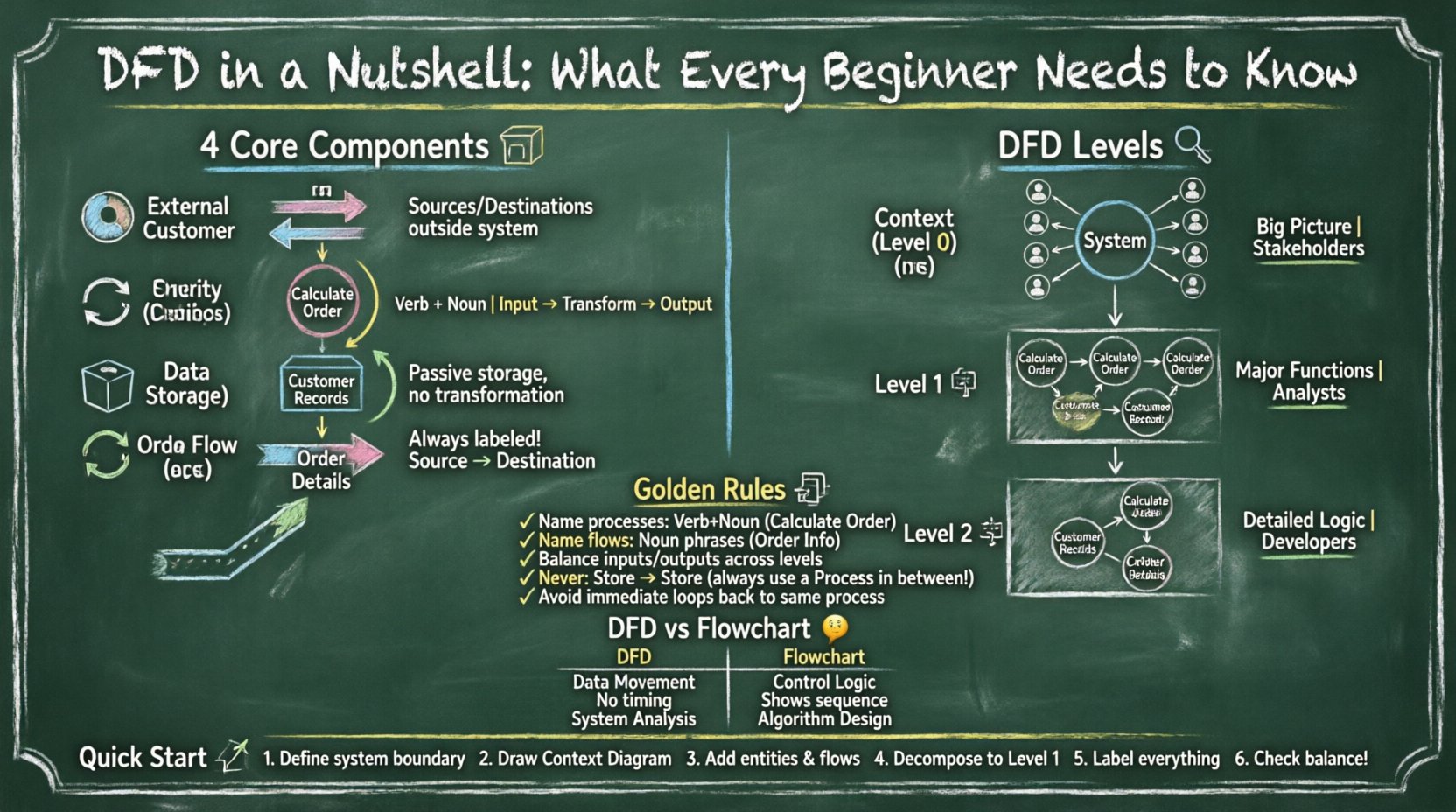
Data Flow Diagrams (DFD) serve as a foundational tool in system analysis and design. They provide a visual representation of how information moves through a system, highlighting inputs, outputs, storage,
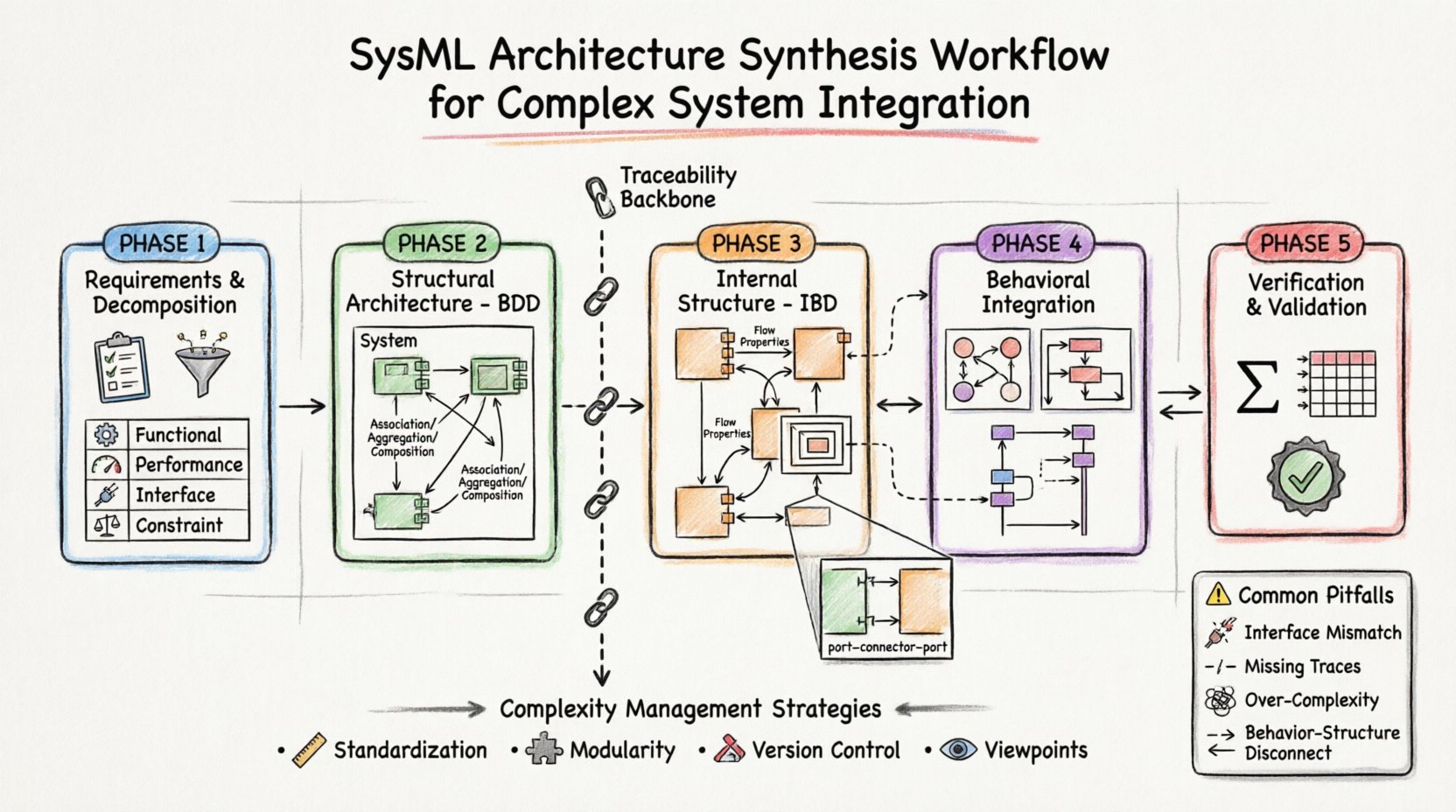
Engineering complex systems requires a structured approach to manage increasing complexity. As systems grow in scope, spanning multiple domains and disciplines, traditional documentation methods often fail to maintain coherence. Model-Based
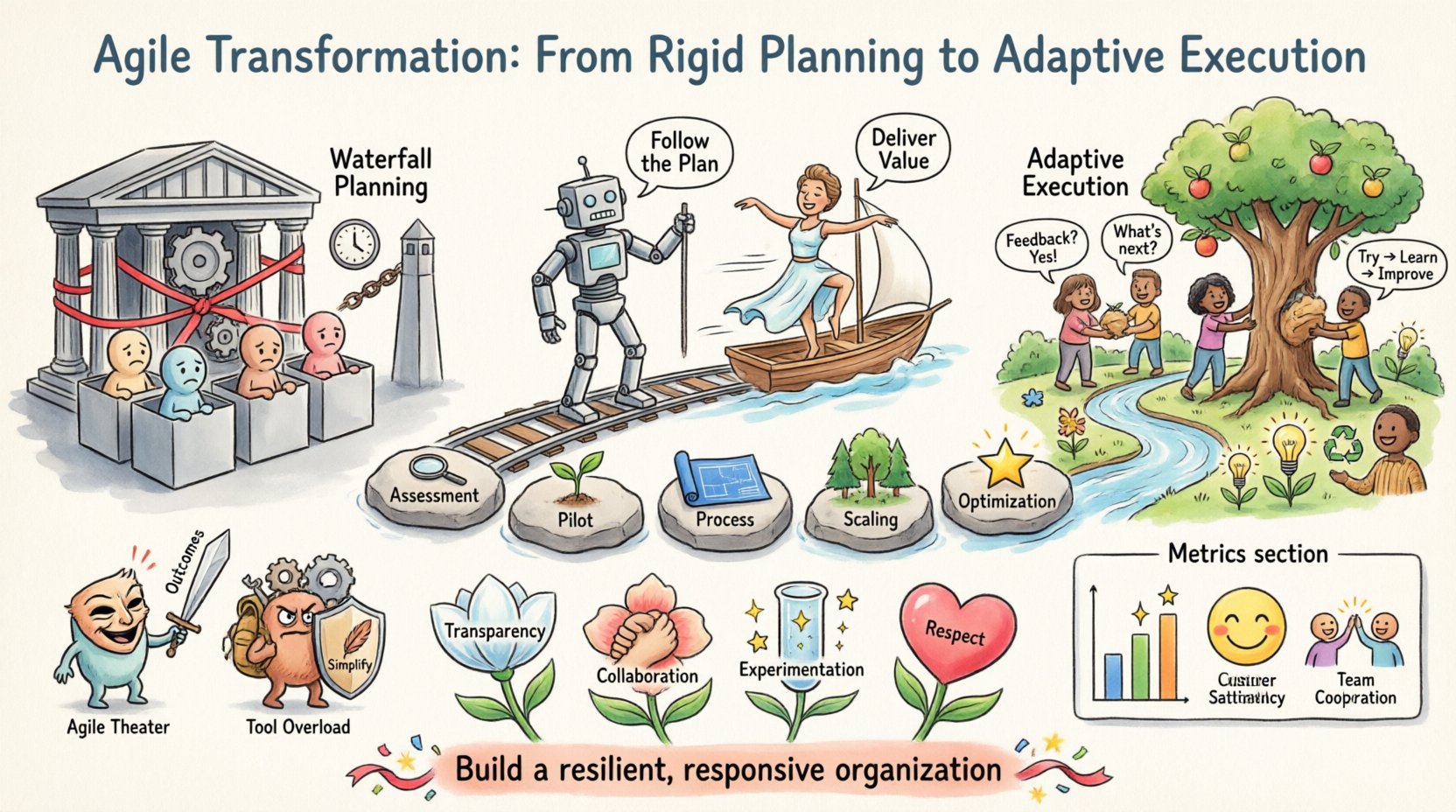
The business landscape shifts with increasing velocity. Markets evolve, customer expectations change, and technological disruptions occur daily. In this environment, the traditional approach to project management often struggles to keep
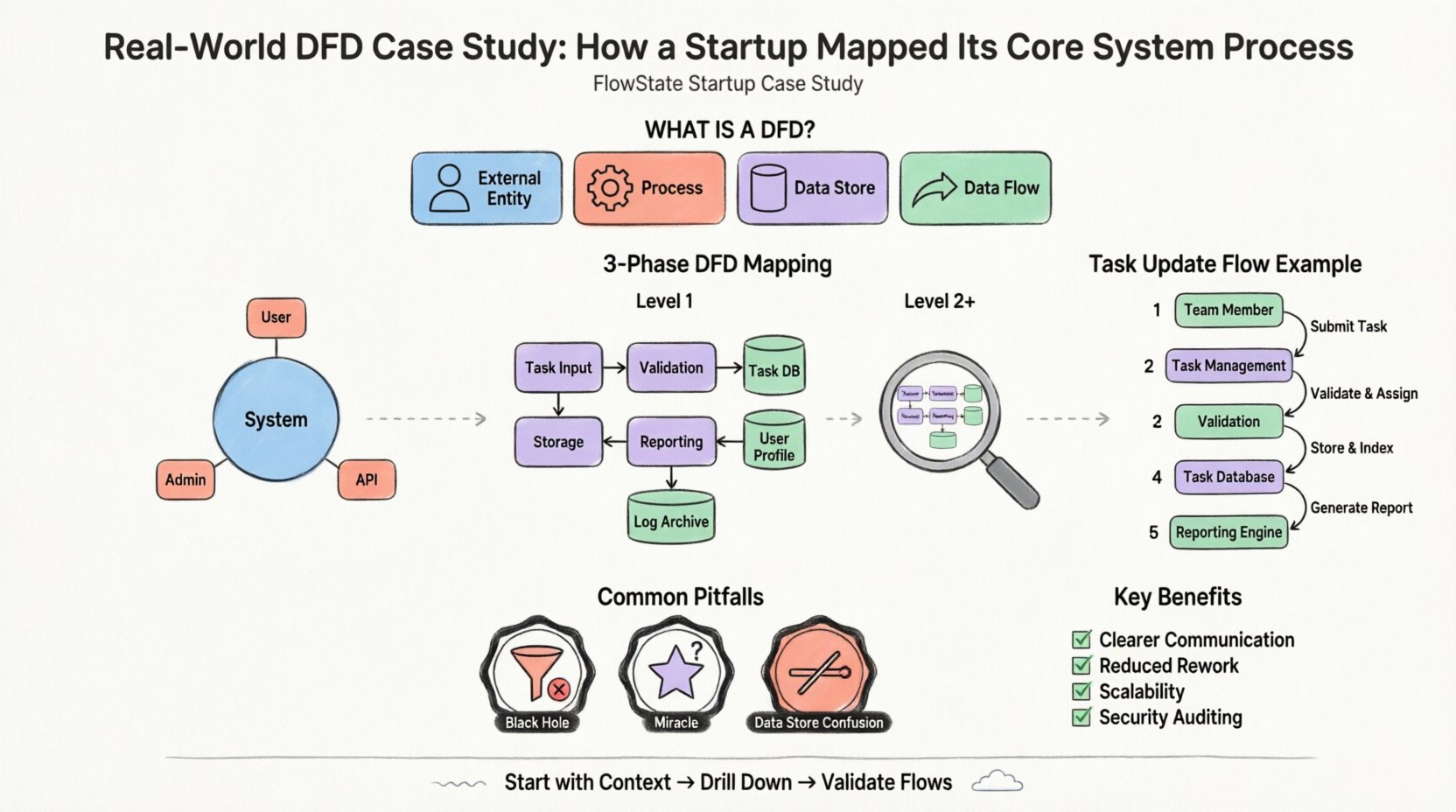
In the early stages of building a technology company, clarity is currency. Founders often dive straight into coding without fully visualizing the underlying data movement. This approach frequently leads to
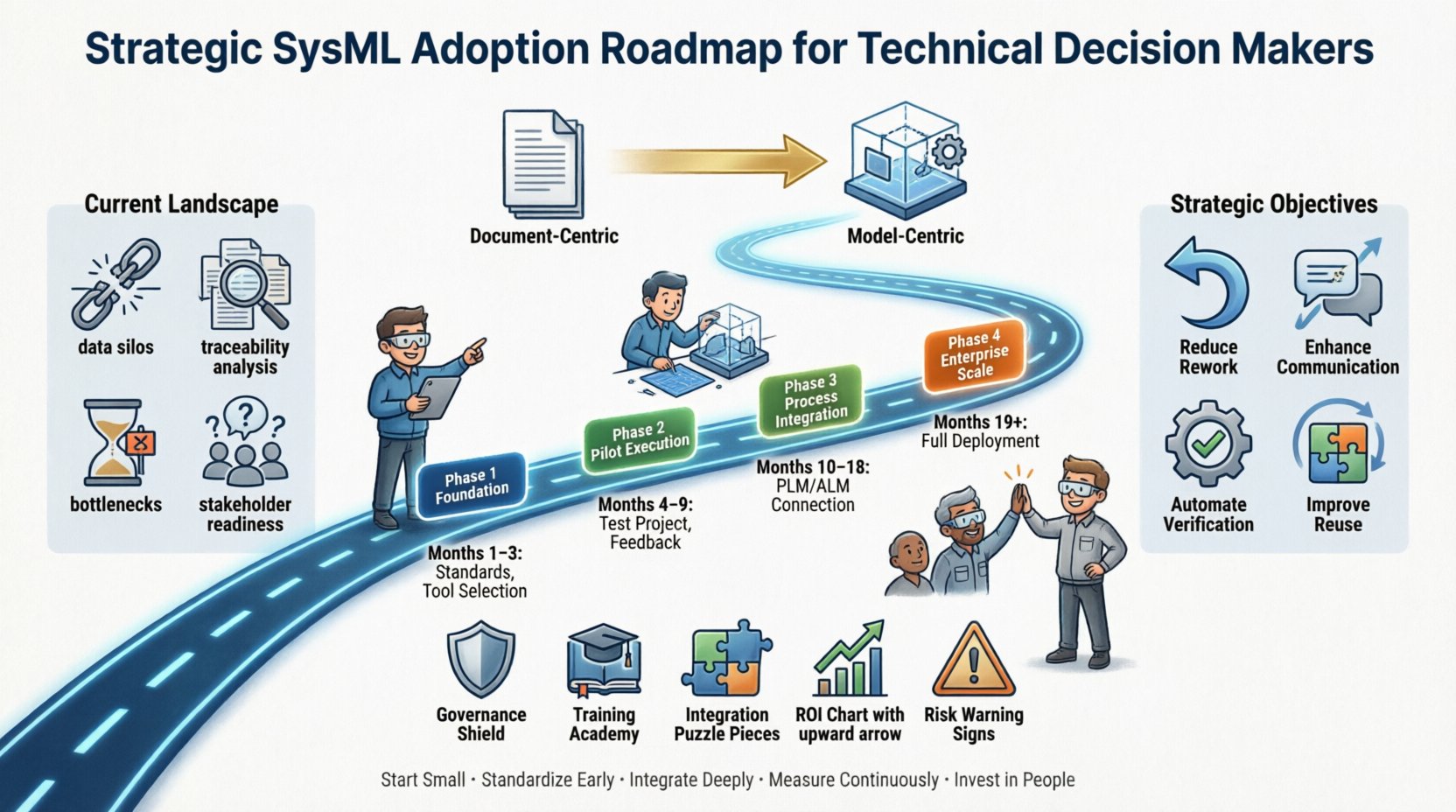
Implementing Systems Modeling Language (SysML) represents a significant shift in how engineering organizations manage complexity. It moves the discipline from document-centric workflows to model-centric practices. For technical leaders, this transition
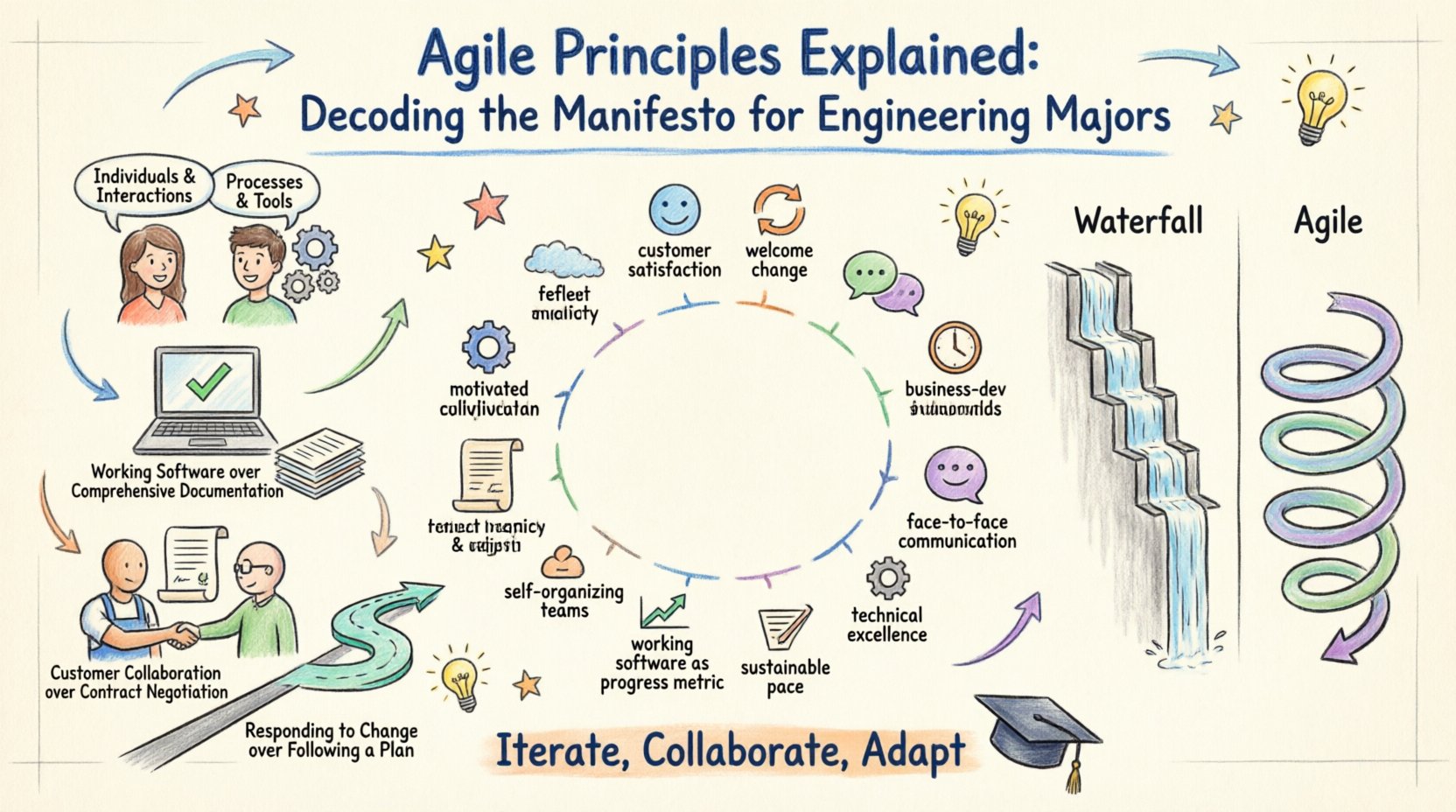
Engineering education often emphasizes rigorous planning, comprehensive documentation, and linear progression from requirements to final deployment. While these fundamentals provide a necessary foundation, the modern technical landscape demands adaptability. The