

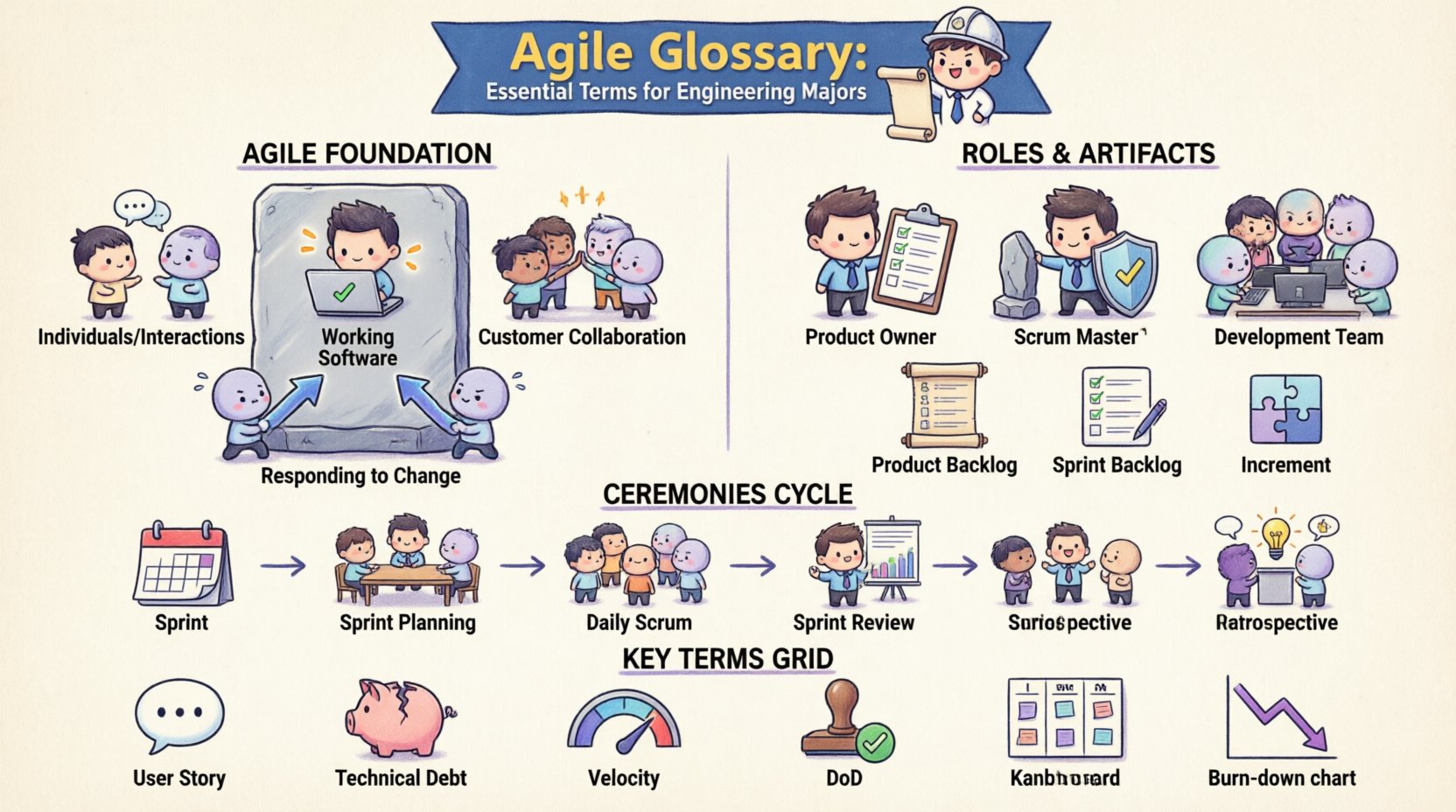
Engineering majors entering the software development industry face a landscape defined by rapid change and iterative delivery. The methodology that underpins most modern development cycles is Agile. Understanding the specific

Engineering majors entering the software development industry face a landscape defined by rapid change and iterative delivery. The methodology that underpins most modern development cycles is Agile. Understanding the specific
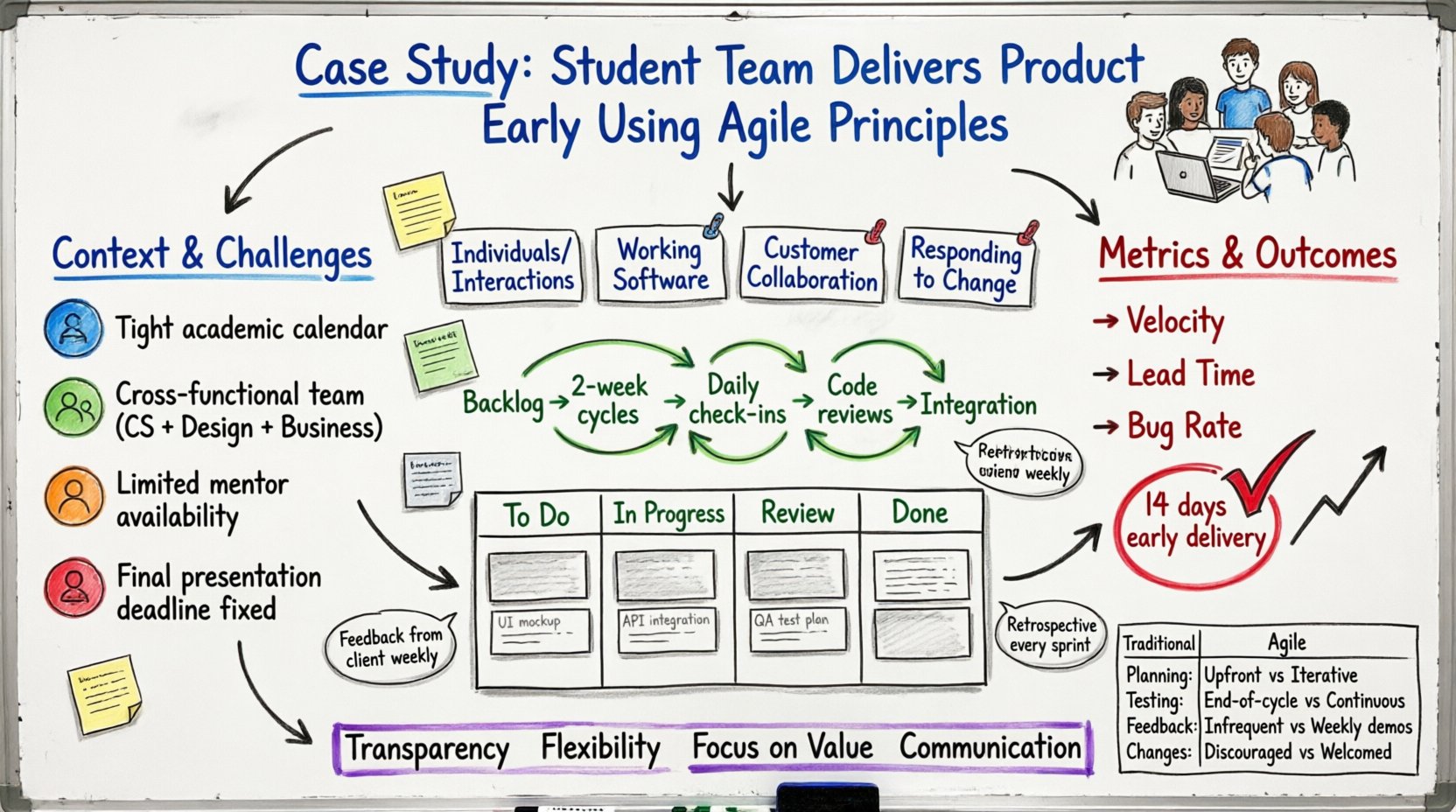
In the high-pressure environment of university capstone projects, the margin for error is often non-existent. Students face tight deadlines, limited resources, and the constant pressure of academic evaluation. However, a
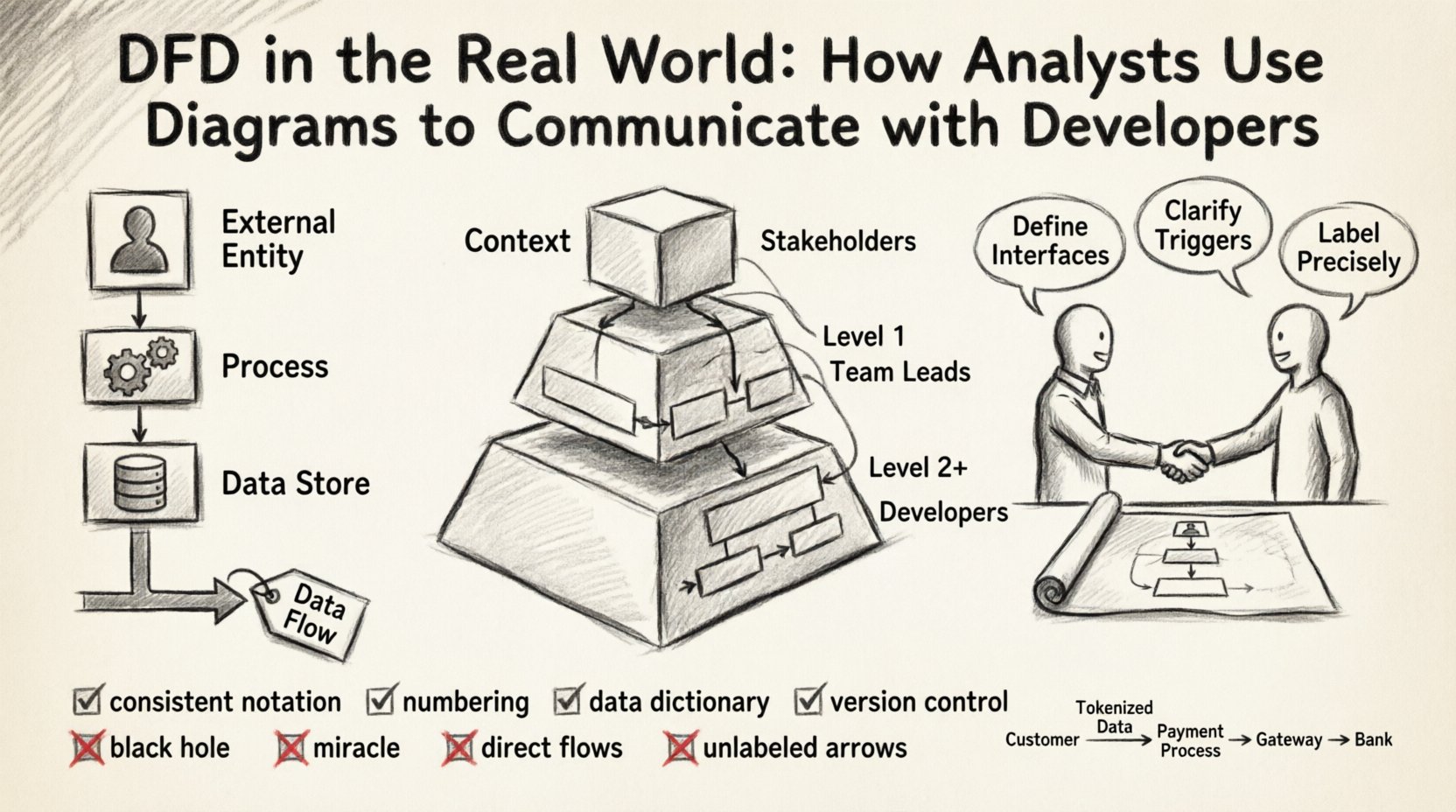
In the architecture of software systems, few artifacts carry as much weight as the Data Flow Diagram (DFD). While technical specifications and code repositories are vital, the DFD serves as
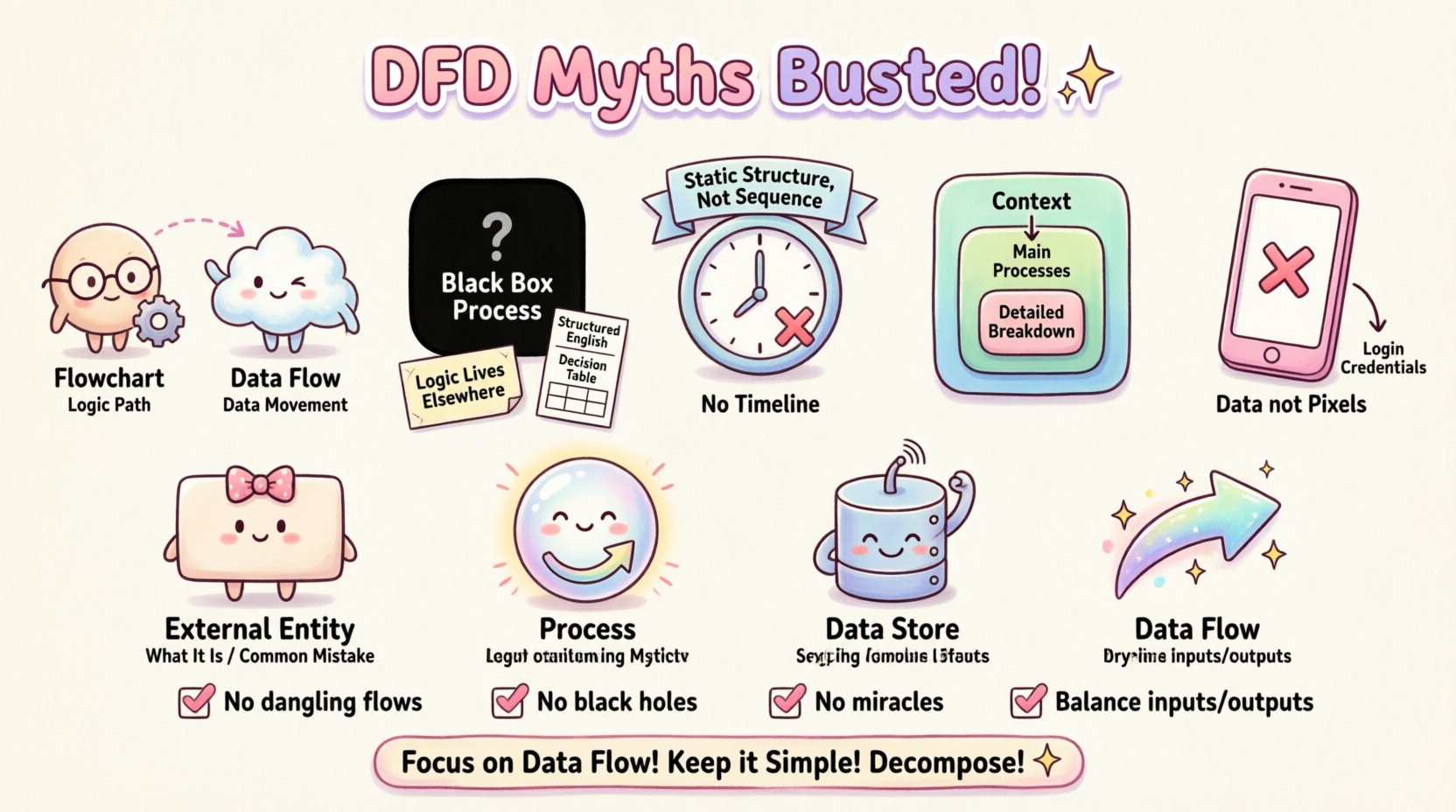
When diving into system analysis and process modeling, few concepts create as much confusion as the Data Flow Diagram (DFD). It is a staple in software engineering, business analysis, and
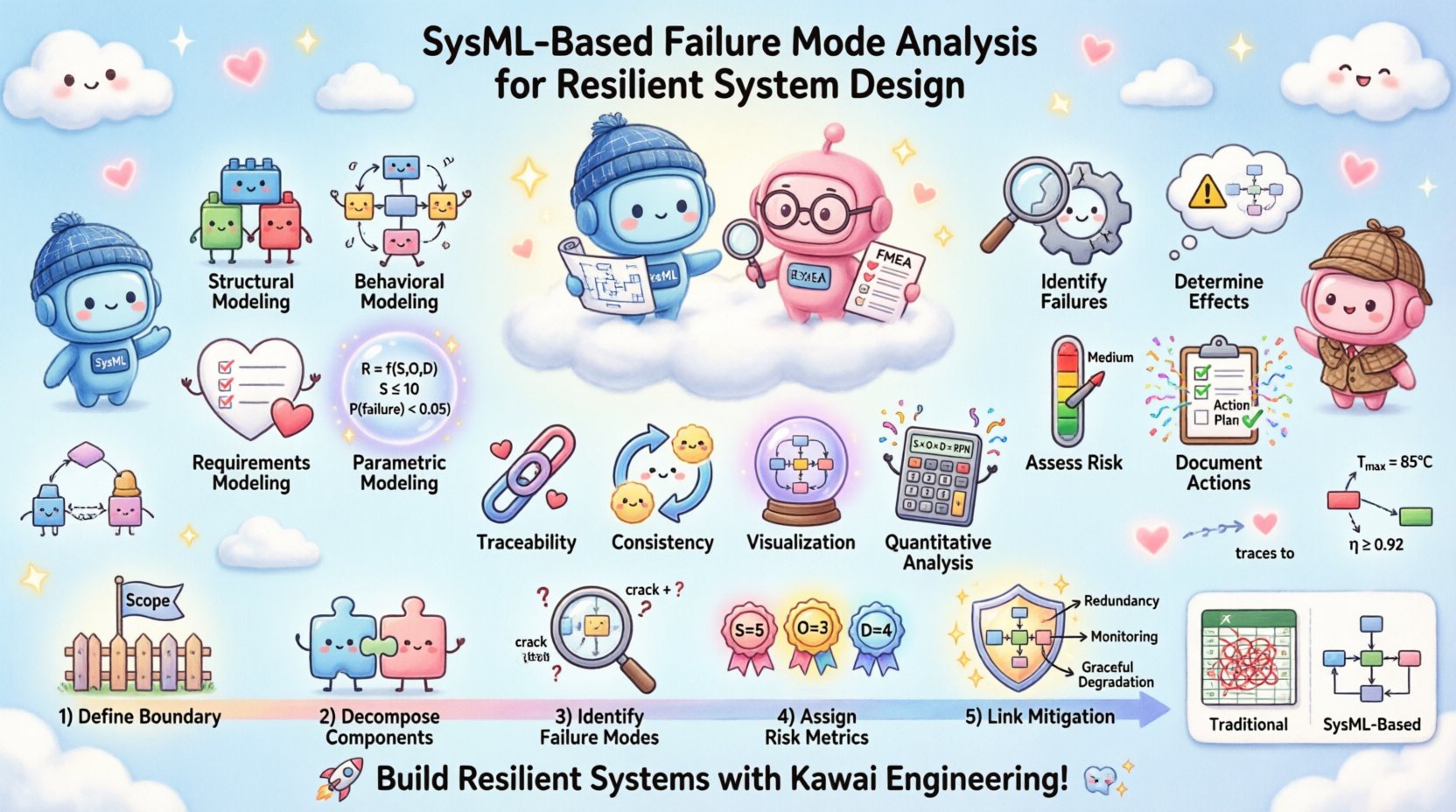
Modern engineering systems are becoming increasingly complex. As interconnected networks, autonomous agents, and critical infrastructure grow in sophistication, the margin for error shrinks. Traditional methods of risk assessment often struggle
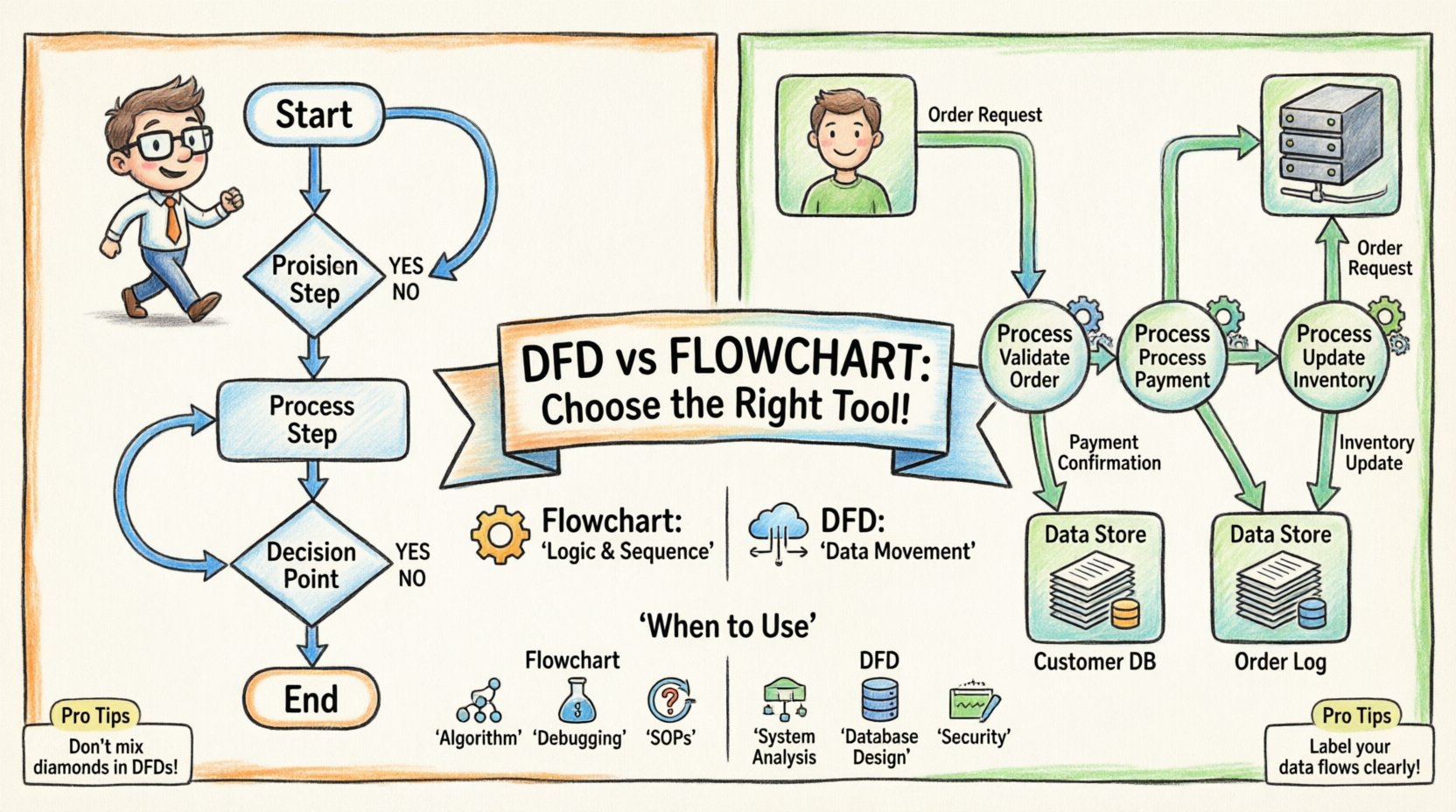
Diagramming is a fundamental skill in system analysis and software design. It translates abstract concepts into visual structures that teams can understand and critique. However, two methods often cause confusion
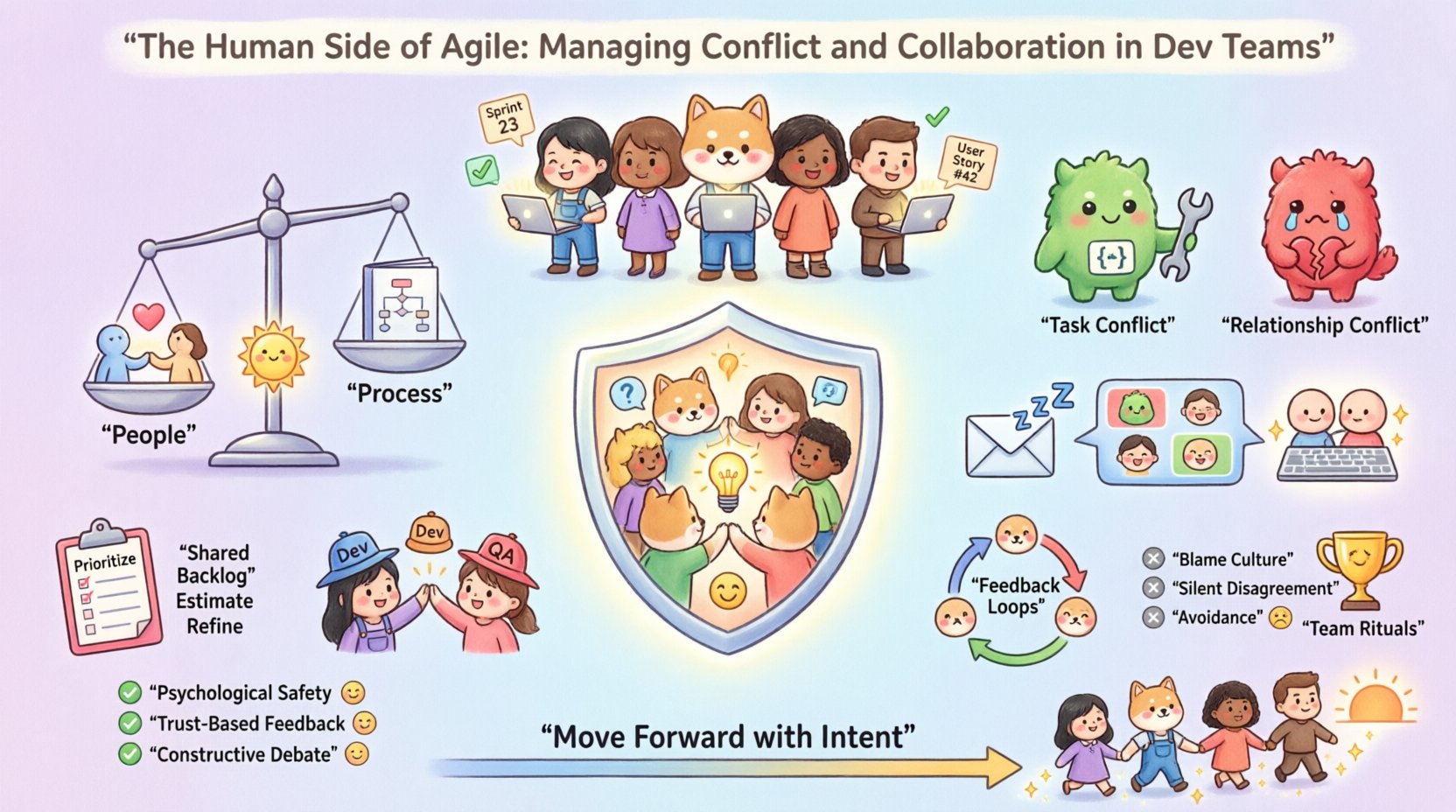
Agile methodologies are often described in terms of ceremonies, artifacts, and workflows. However, the core of any successful software delivery system lies not in the process itself, but in the
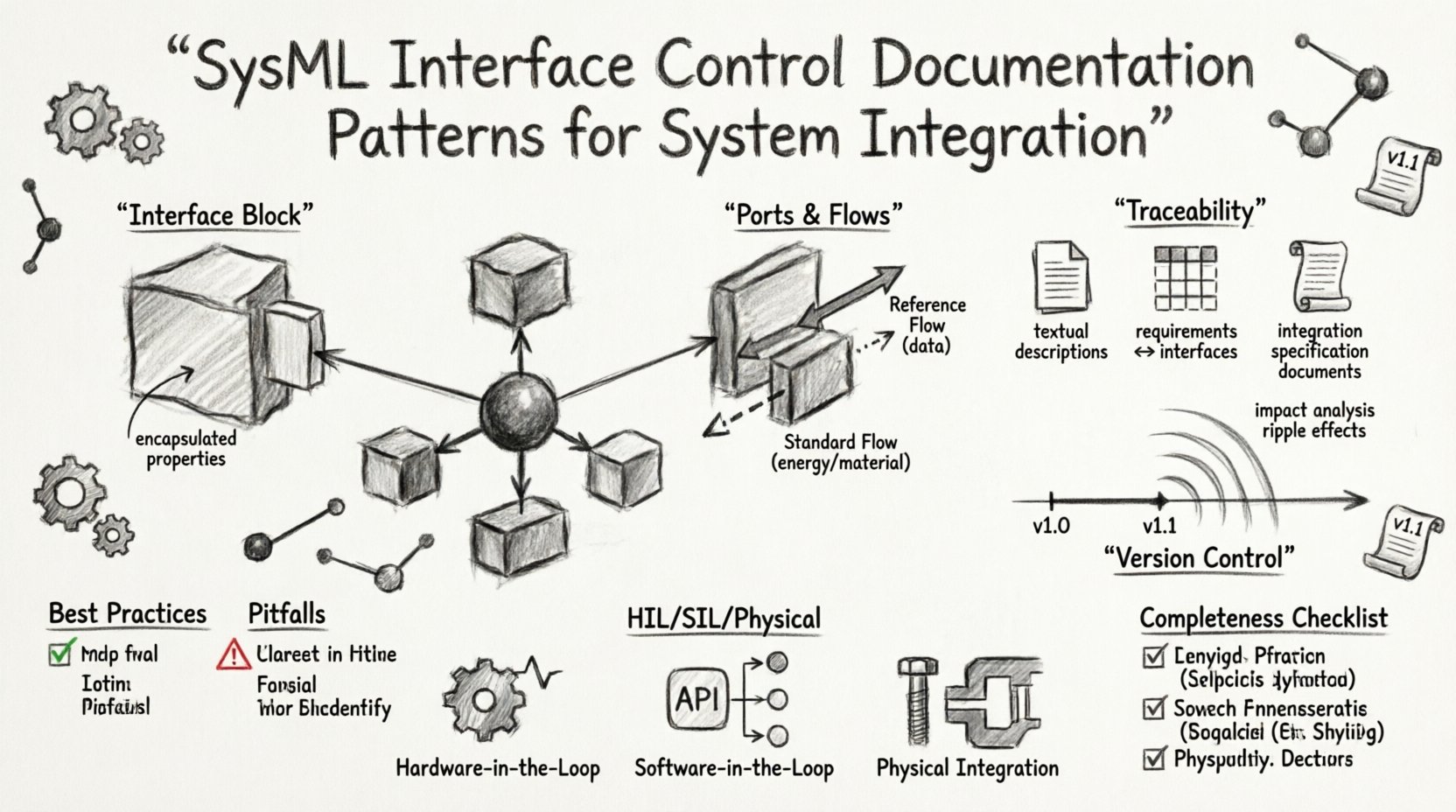
In the complex landscape of Model-Based Systems Engineering (MBSE), the definition and management of interfaces serve as the backbone of successful system integration. SysML (Systems Modeling Language) provides a robust
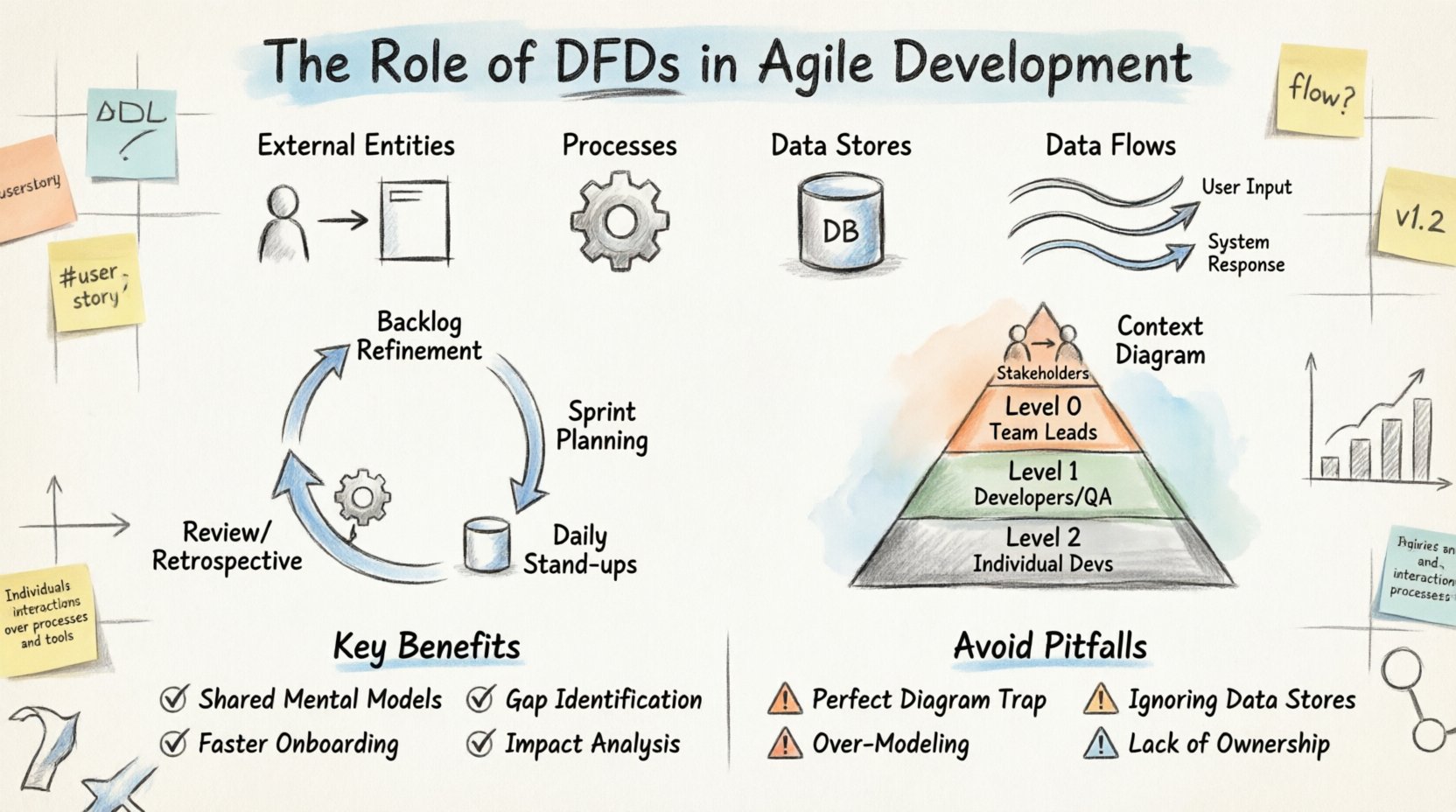
Agile development is often associated with speed, flexibility, and minimal documentation. Data Flow Diagrams (DFDs), conversely, are a classic system modeling technique that historically thrived in structured, plan-driven environments. At
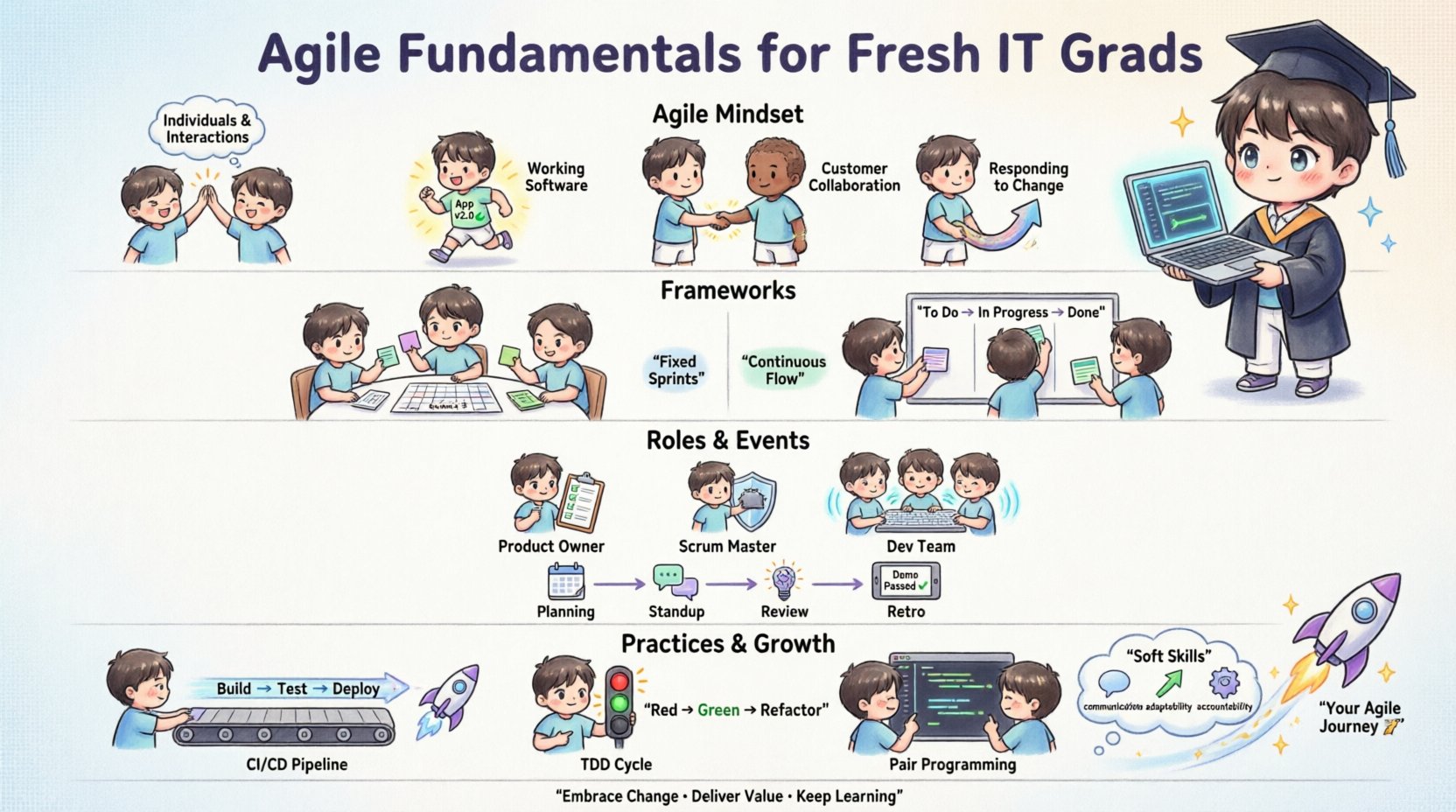
Welcome to the professional world of software development. As you step out of the classroom and into the industry, you will quickly realize that the methodologies you learned in theory