

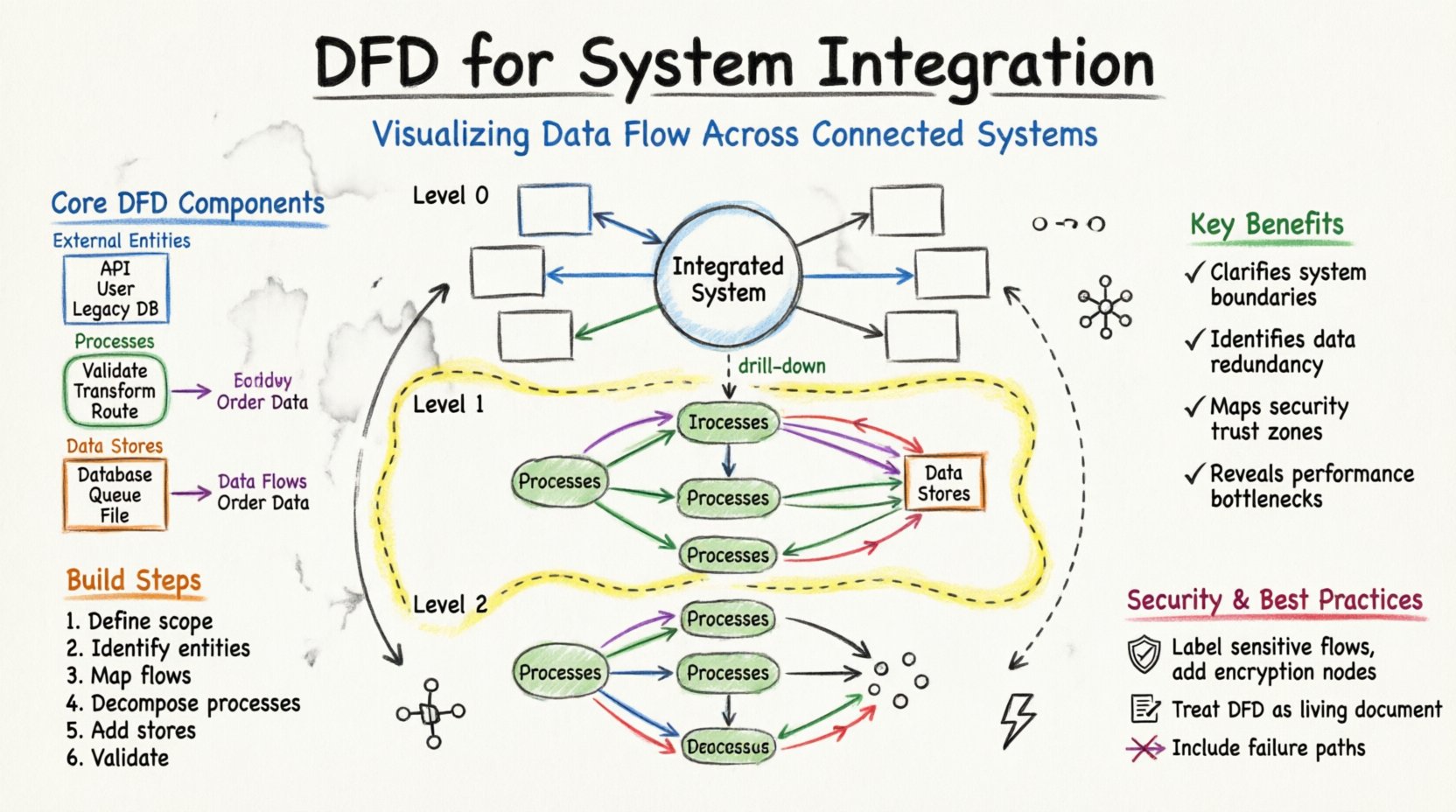
System integration is the backbone of modern digital infrastructure. It connects disparate applications, databases, and services to function as a cohesive unit. However, the complexity of data moving between these

System integration is the backbone of modern digital infrastructure. It connects disparate applications, databases, and services to function as a cohesive unit. However, the complexity of data moving between these
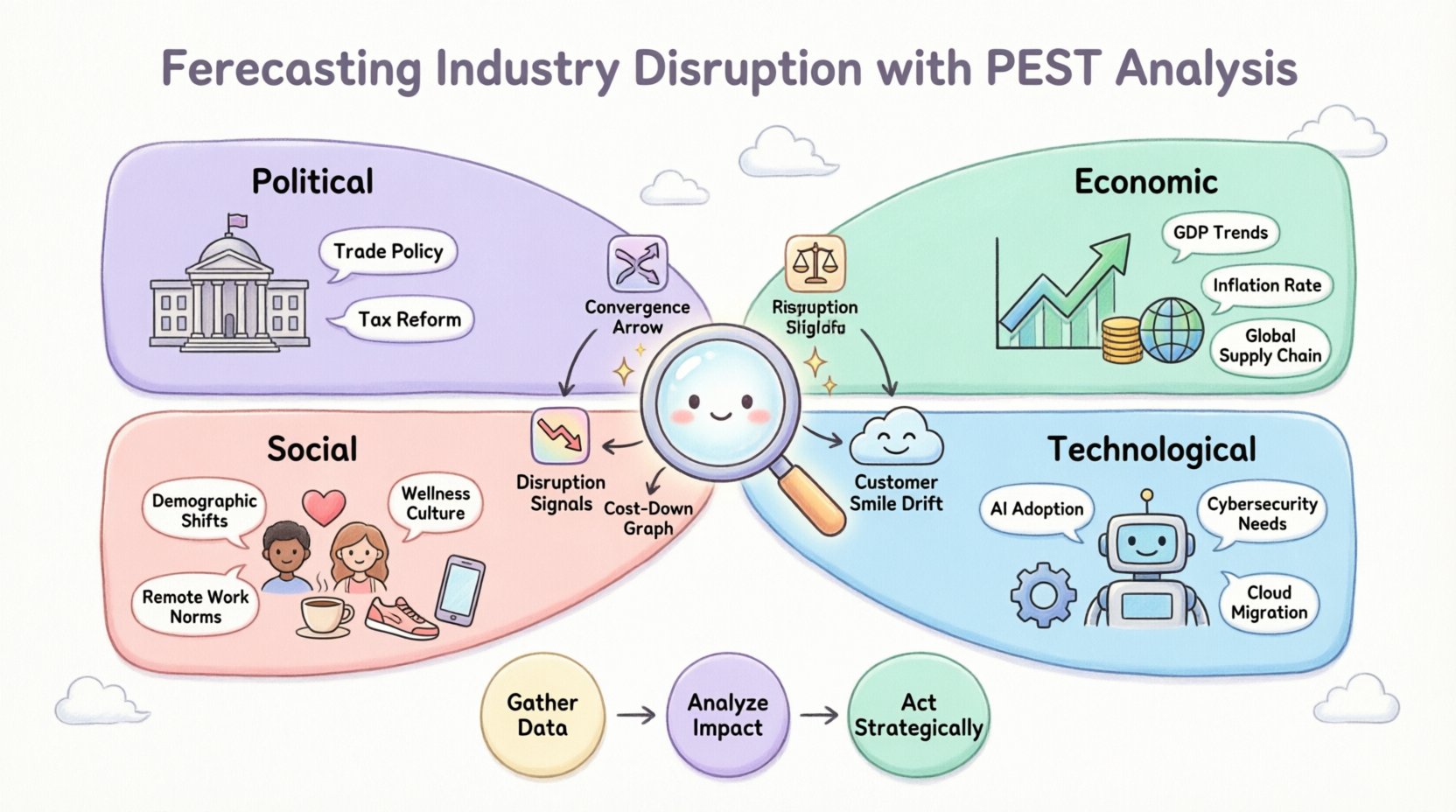
In a rapidly evolving global marketplace, organizations must look beyond immediate financial metrics to anticipate structural shifts. Understanding the macro-environmental forces that shape an industry is essential for long-term resilience.
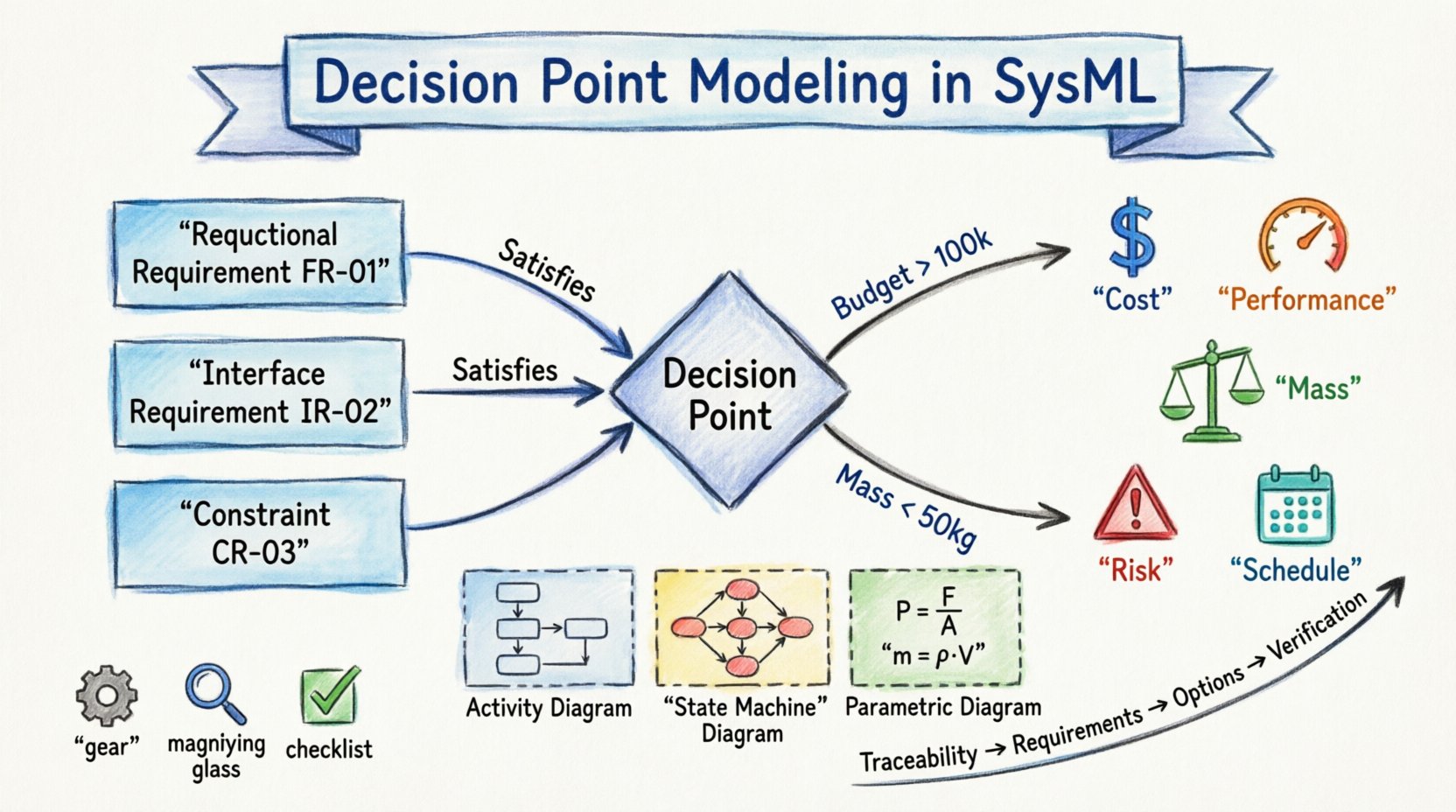
In the complex landscape of Systems Engineering, making the right choice at the right time is critical. Systems are rarely built in a single pass; they evolve through a series
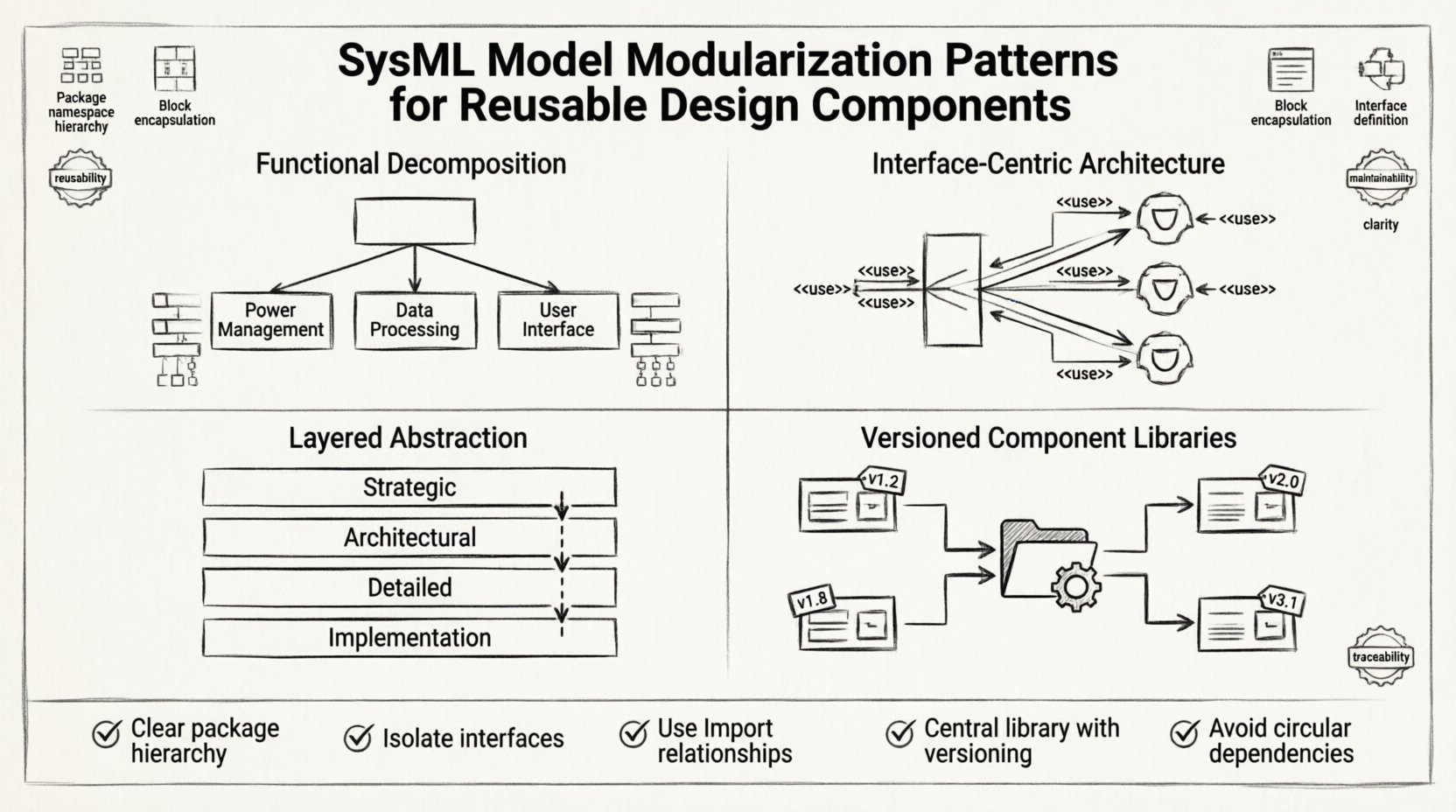
Systems engineering projects often grow in complexity faster than the models used to represent them. As requirements expand and subsystems multiply, maintaining a monolithic SysML model becomes a significant challenge.
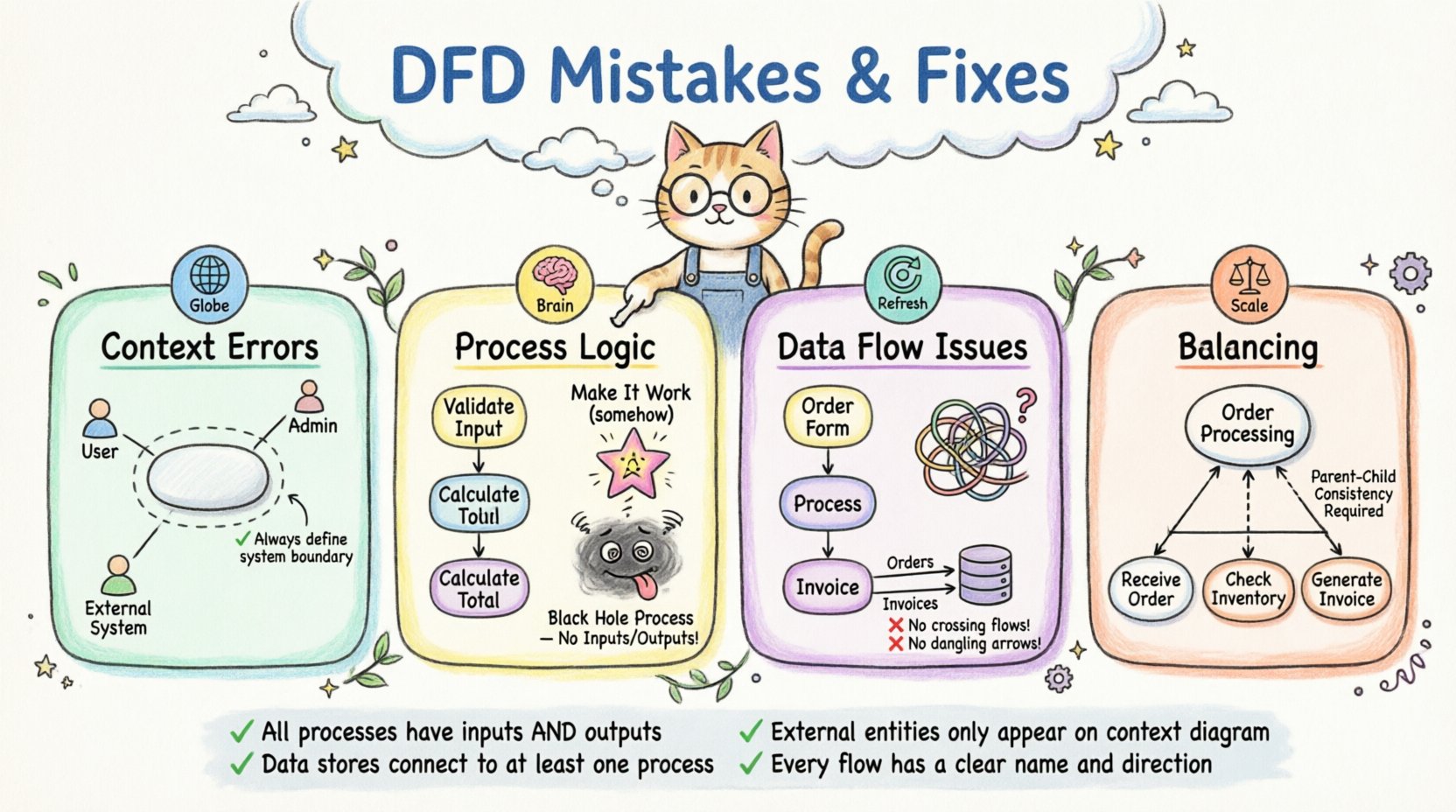
Creating a Data Flow Diagram (DFD) is a critical step in understanding how information moves through a system. These diagrams serve as the blueprint for developers, stakeholders, and analysts. However,
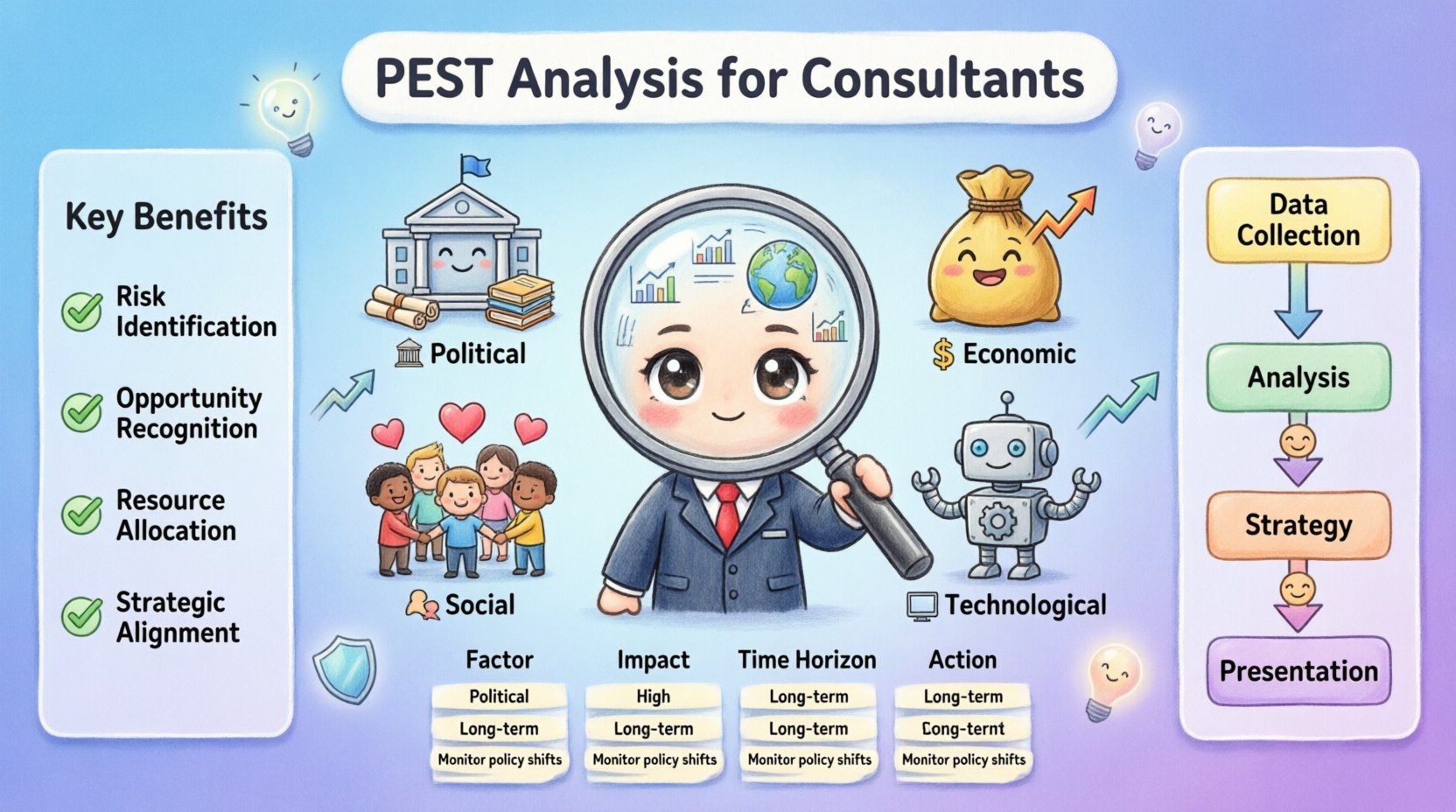
In the fast-paced landscape of modern business, consultants serve as the navigational guides for organizations seeking stability and growth. The ability to anticipate shifts before they become disruptions is the
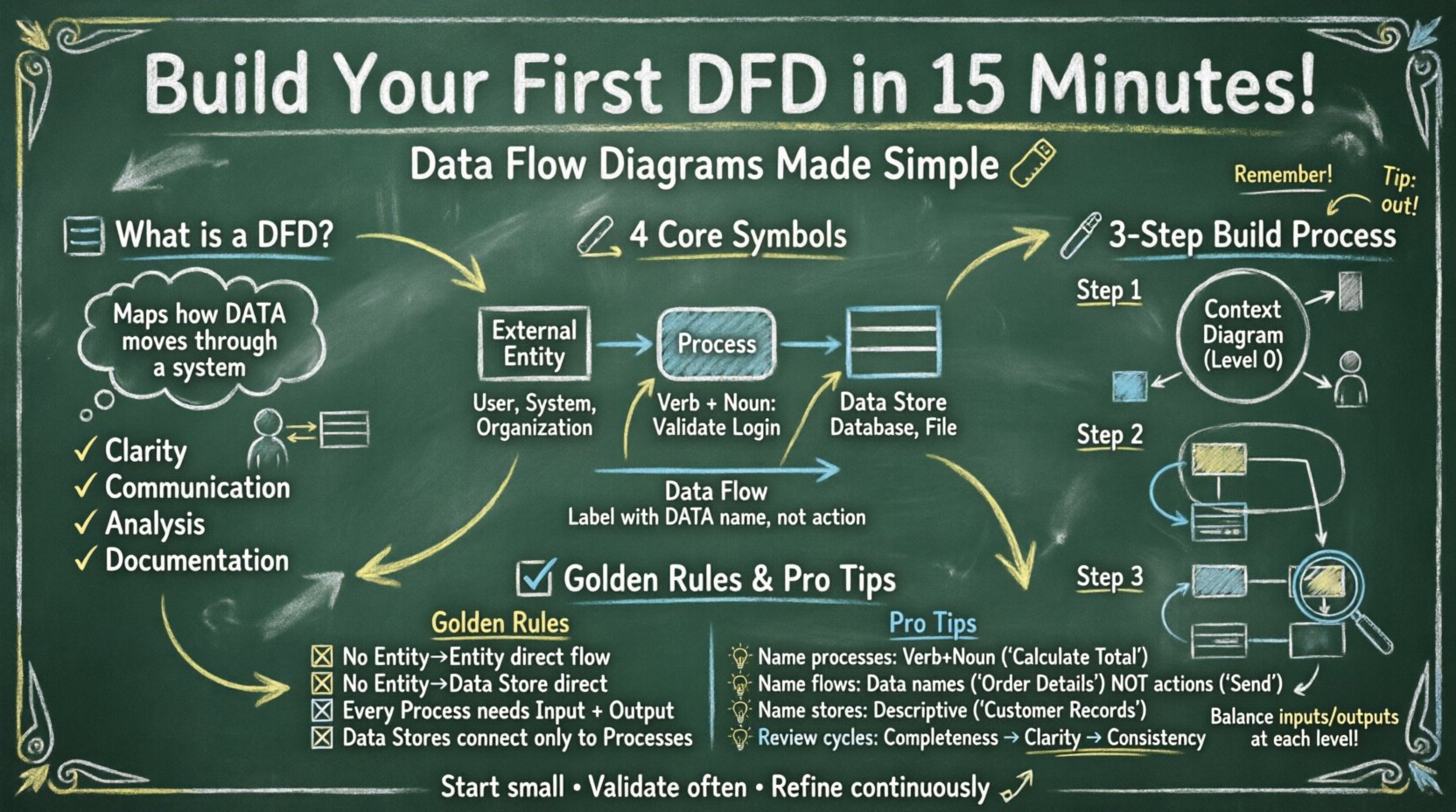
Creating a visual representation of how information moves through a system is a fundamental skill for analysts, developers, and business stakeholders. A Data Flow Diagram, commonly known as a DFD,
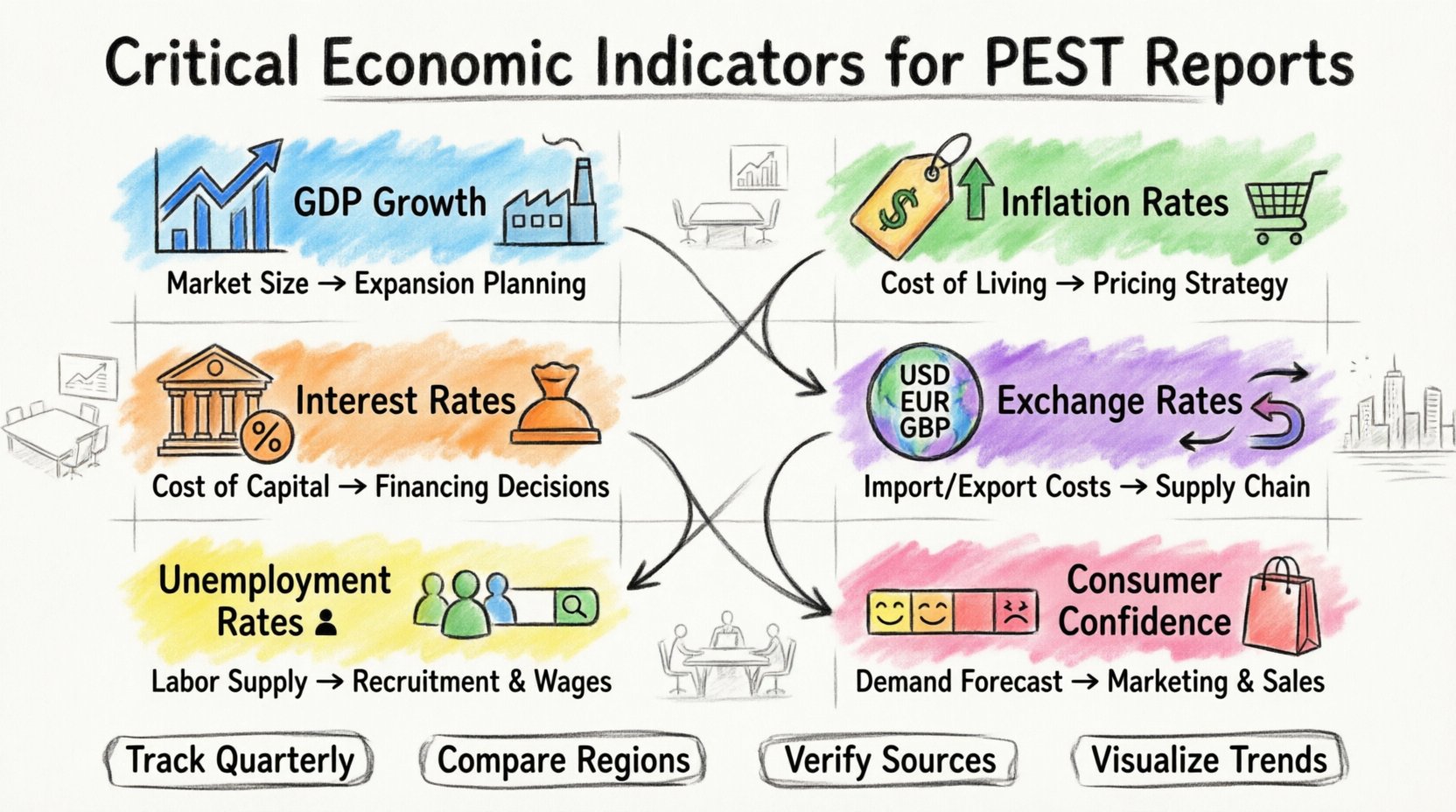
Strategic planning relies on a clear understanding of the external environment. Within the framework of PEST analysis—Political, Economic, Social, and Technological—the Economic component often dictates the immediate viability of business
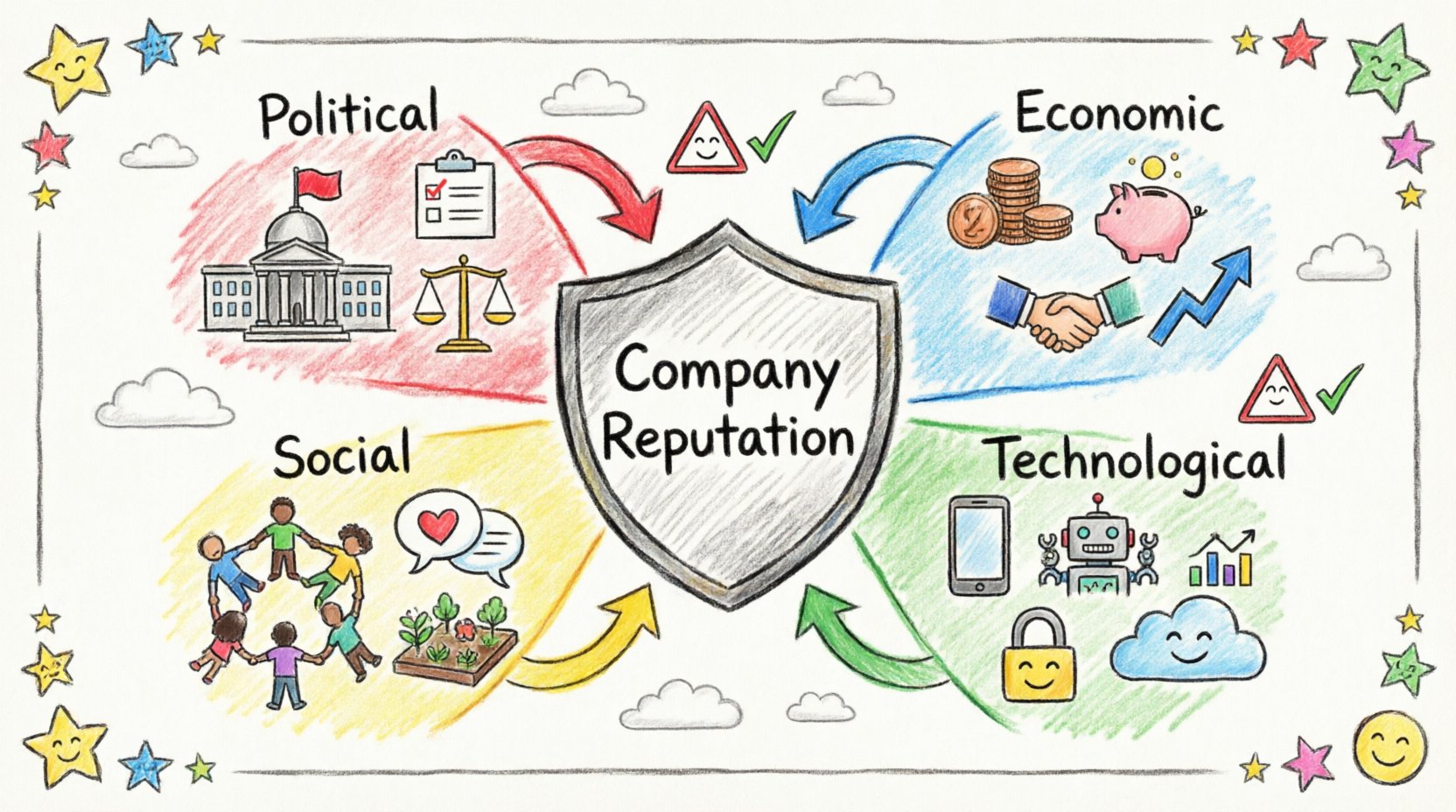
Modern business operations exist within a complex web of external influences. Organizations no longer operate in isolation; they are deeply embedded in societal structures that dictate expectations, regulations, and public
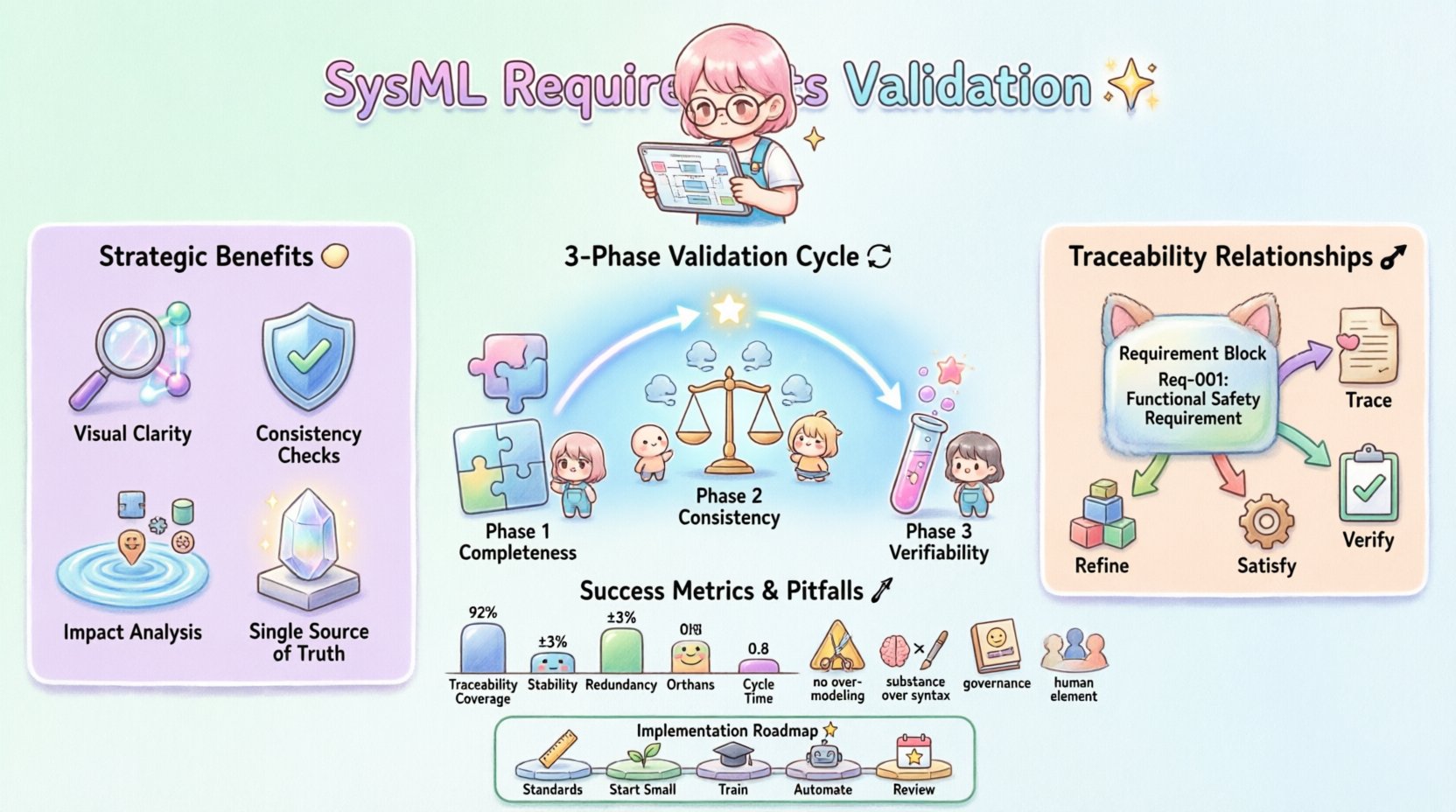
Engineering leadership today demands more than just document reviews. As systems grow in complexity, text-based specifications often fail to capture the intricate relationships that define a product’s success. This is