 Visual Paradigm Desktop |
  Visual Paradigm Online


In the dynamic world of software development, the Agile methodology has become the standard for delivering value efficiently. At the heart of this methodology lies a pivotal role that bridges the gap between business needs and technical execution. This is the Product Owner. Understanding the nuances of this position is essential for teams aiming to maximize output while maintaining high quality.
The Product Owner serves as the voice of the customer and the stakeholder within the development team. This individual is responsible for defining the vision, managing the backlog, and ensuring that the work delivered aligns with strategic goals. Unlike traditional project management roles, the Product Owner in an Agile environment focuses heavily on value delivery rather than just schedule adherence. This guide explores the comprehensive responsibilities, skills, and interactions required to succeed in this critical position.
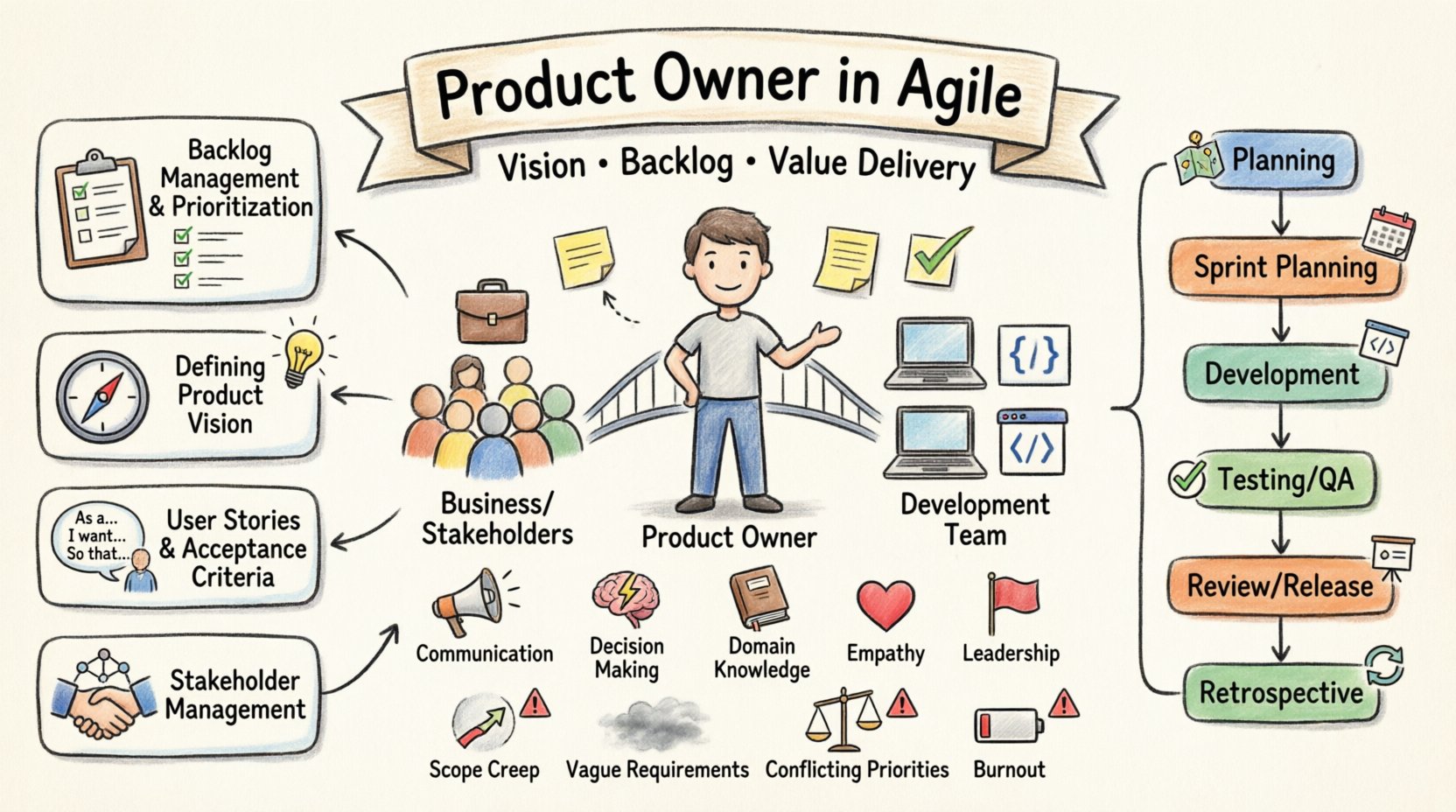
Before diving into specific duties, it is crucial to understand the scope of the role. In frameworks like Scrum, the Product Owner is one of the three core roles, alongside the Scrum Master and the Development Team. The Product Owner is accountable for maximizing the value of the product resulting from the work of the Development Team.
However, the role extends beyond just a title. It represents a mindset focused on continuous improvement, adaptability, and clear communication. The Product Owner must balance competing demands, manage expectations, and make tough decisions regarding what gets built and when. This requires a deep understanding of the market, the users, and the technical constraints of the project.
The day-to-day activities of a Product Owner are varied and demanding. The following sections detail the primary responsibilities that define the role.
The Product Backlog is the single source of truth for all work to be done. It is not merely a to-do list but a living document that evolves as the product and market conditions change. The Product Owner is responsible for the following aspects of backlog management:
Prioritization is a continuous process. It involves weighing the cost of delay against the value of the feature. A common technique used is the Weighted Shortest Job First (WSJF) or MoSCoW method (Must have, Should have, Could have, Won’t have). The goal is always to deliver the most valuable increment of the product first.
A clear vision guides the team through uncertainty. The Product Owner articulates where the product is going and why. This vision is not static; it evolves with market feedback. However, the core mission remains consistent. Without a vision, the team may work efficiently but in the wrong direction. The vision statement should be:
Work items in the backlog are often formatted as User Stories. These stories describe functionality from the perspective of the end user. A standard format includes:
Beyond the story, the Product Owner defines Acceptance Criteria. These are the conditions that must be met for a story to be considered complete. They serve as the test cases for the development team and the Product Owner. Clear criteria prevent ambiguity and reduce the need for rework.
The Product Owner acts as the bridge between the Development Team and external stakeholders. This includes customers, executives, marketing teams, and support staff. Managing these relationships involves:
The role of the Product Owner permeates every stage of the Agile Software Development Lifecycle (SDLC). Here is how the role integrates with each phase.
| SDLC Phase | Product Owner Activities | Key Output |
|---|---|---|
| Planning & Strategy | Define vision, set roadmap, prioritize high-level themes. | Product Roadmap |
| Sprint Planning | Present backlog items, clarify requirements, answer questions. | Selected Sprint Backlog |
| Development | Available for clarification, review work in progress. | Incremental Features |
| Testing & QA | Define acceptance criteria, validate functionality. | Verified Increments |
| Review & Release | Demonstrate value, gather feedback, adjust roadmap. | Released Product |
| Retrospective | Reflect on process, identify improvements for backlog. | Process Improvements |
At the start of the lifecycle, the Product Owner works with leadership to define the long-term roadmap. This involves market analysis and competitor research. The roadmap provides a high-level view of the product’s evolution over time. It helps the Development Team understand the context of their work and aligns technical decisions with business goals.
During Sprint Planning, the Product Owner presents the top items from the backlog. The team selects items they believe they can complete within the sprint. The Product Owner explains the “why” behind the items and clarifies any ambiguities. This collaboration ensures the team is working on the right things.
While the team builds, the Product Owner remains accessible. Questions about requirements often arise during coding. Quick clarification prevents the team from building the wrong thing. Additionally, the Product Owner may review completed work to ensure it meets the Acceptance Criteria before it is considered done.
The Sprint Review is a critical event. The Product Owner demonstrates the completed work to stakeholders. This is the moment where value is validated. Feedback gathered here is directly fed back into the backlog for future prioritization. If a feature does not meet user needs, the Product Owner decides whether to pivot or persist.
Becoming an effective Product Owner requires a diverse skill set. It is a role that combines business acumen with technical understanding and soft skills. The following competencies are vital for performance.
The Product Owner does not work in isolation. Success depends on effective collaboration with other roles within the Agile team.
The relationship between the Product Owner and the Development Team is based on trust and respect. The Product Owner provides the “What” and the “Why,” while the team determines the “How.” The Product Owner should not micromanage the team but should support them in understanding the context. Regular interactions during refinement sessions ensure alignment.
The Scrum Master helps the team follow Agile practices. The Product Owner and Scrum Master work together to remove impediments. While the Scrum Master focuses on the process, the Product Owner focuses on the content. Together, they ensure the team is efficient and the backlog is clear.
Stakeholders often have conflicting interests. The Product Owner must manage these conflicts by prioritizing based on value. It is important to say “no” to requests that do not align with the vision or exceed capacity. This requires diplomatic skills and a firm grasp of the product strategy.
Despite the structured nature of Agile, the Product Owner role faces significant hurdles. Recognizing these challenges is the first step to overcoming them.
How do we know if a Product Owner is doing a good job? Metrics play a role, but they must be chosen carefully to reflect value rather than just output.
The Agile mindset is rooted in continuous improvement. The Product Owner must constantly evaluate their own performance and the product’s direction. This involves analyzing retrospective feedback and adjusting processes accordingly. The market changes, user behaviors shift, and technology evolves. A static product owner cannot succeed in a dynamic environment.
Learning to say “no” is just as important as saying “yes.” Protecting the team’s focus allows them to deliver high-quality work. This discipline ensures that the team is not constantly context-switching or building low-value features. By maintaining a disciplined approach to the backlog, the Product Owner ensures the team remains productive and motivated.
The Product Owner is a multifaceted role that requires a balance of business strategy, technical understanding, and people skills. They are the guardians of the backlog and the champions of the user. Success in this role is not about controlling the team but enabling them to deliver value.
Key points to remember include:
By mastering these aspects, a Product Owner can significantly impact the success of the Agile project. The role is challenging but rewarding, offering the opportunity to shape the future of a product and deliver meaningful solutions to real-world problems.