

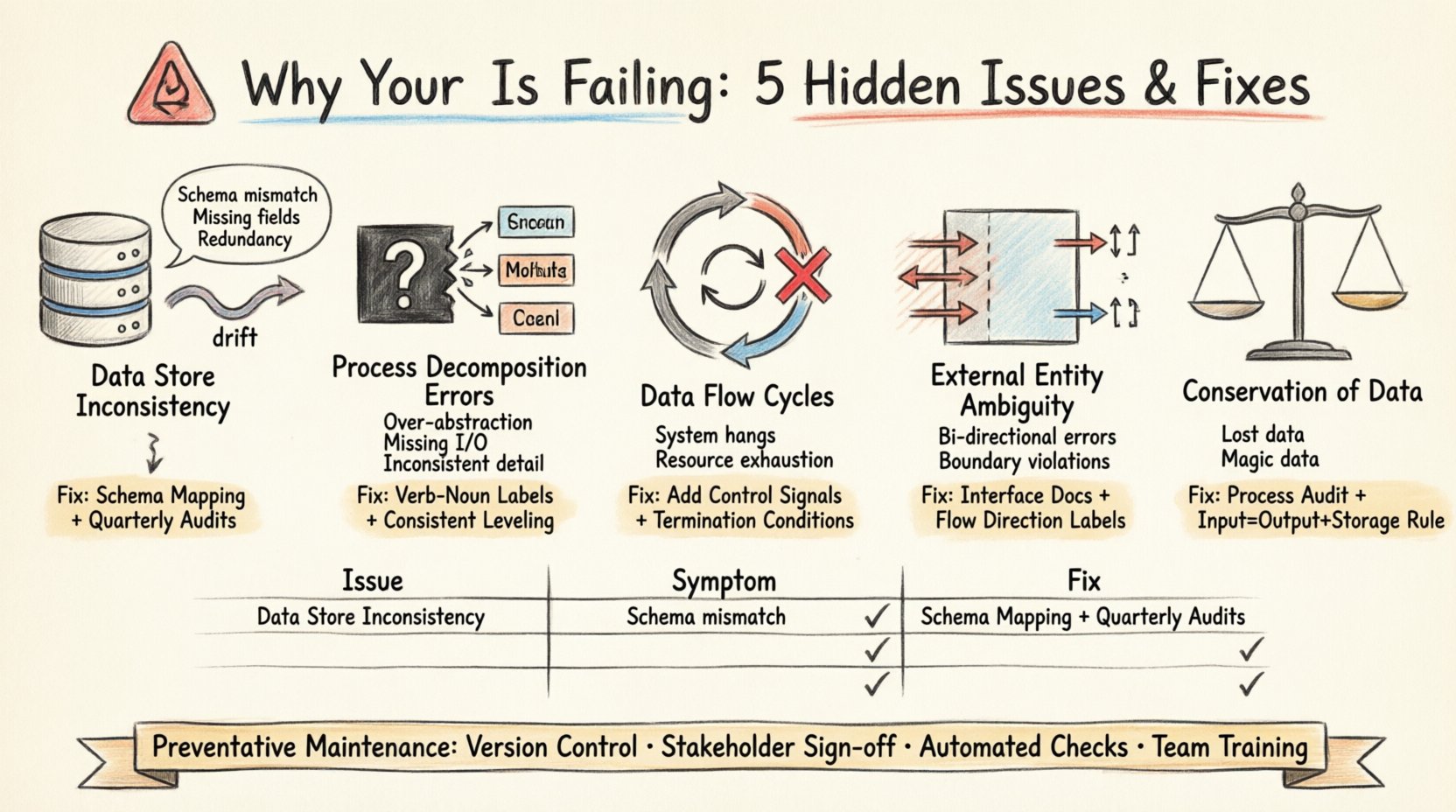
Data Flow Diagrams (DFDs) serve as the backbone of system architecture and process modeling. They visualize how information moves through a system, identifying inputs, outputs, and transformations. However, even experienced

Data Flow Diagrams (DFDs) serve as the backbone of system architecture and process modeling. They visualize how information moves through a system, identifying inputs, outputs, and transformations. However, even experienced
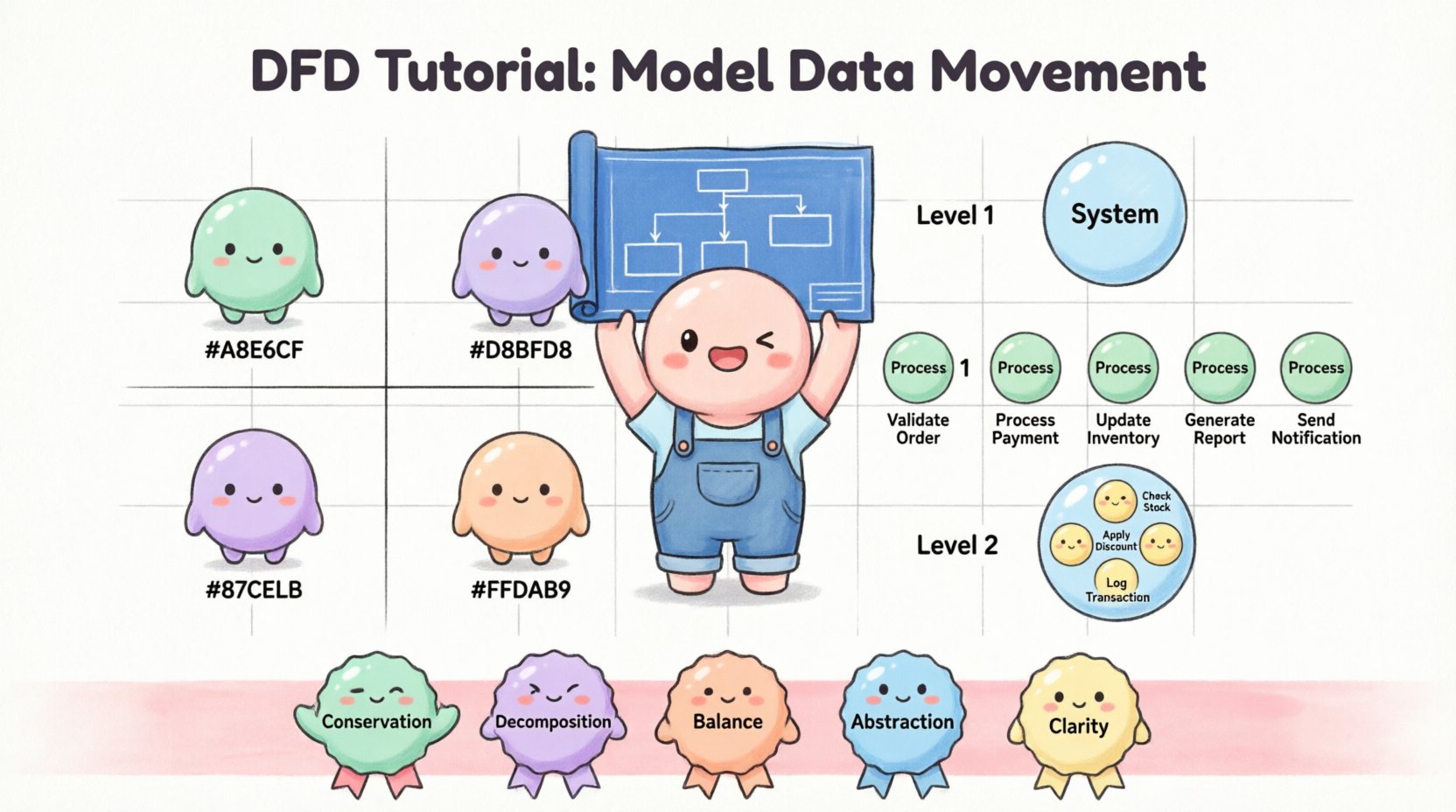
Data Flow Diagrams (DFDs) serve as the visual blueprint for information systems. Unlike code, which describes logic through syntax, a DFD describes logic through movement. It maps how data enters
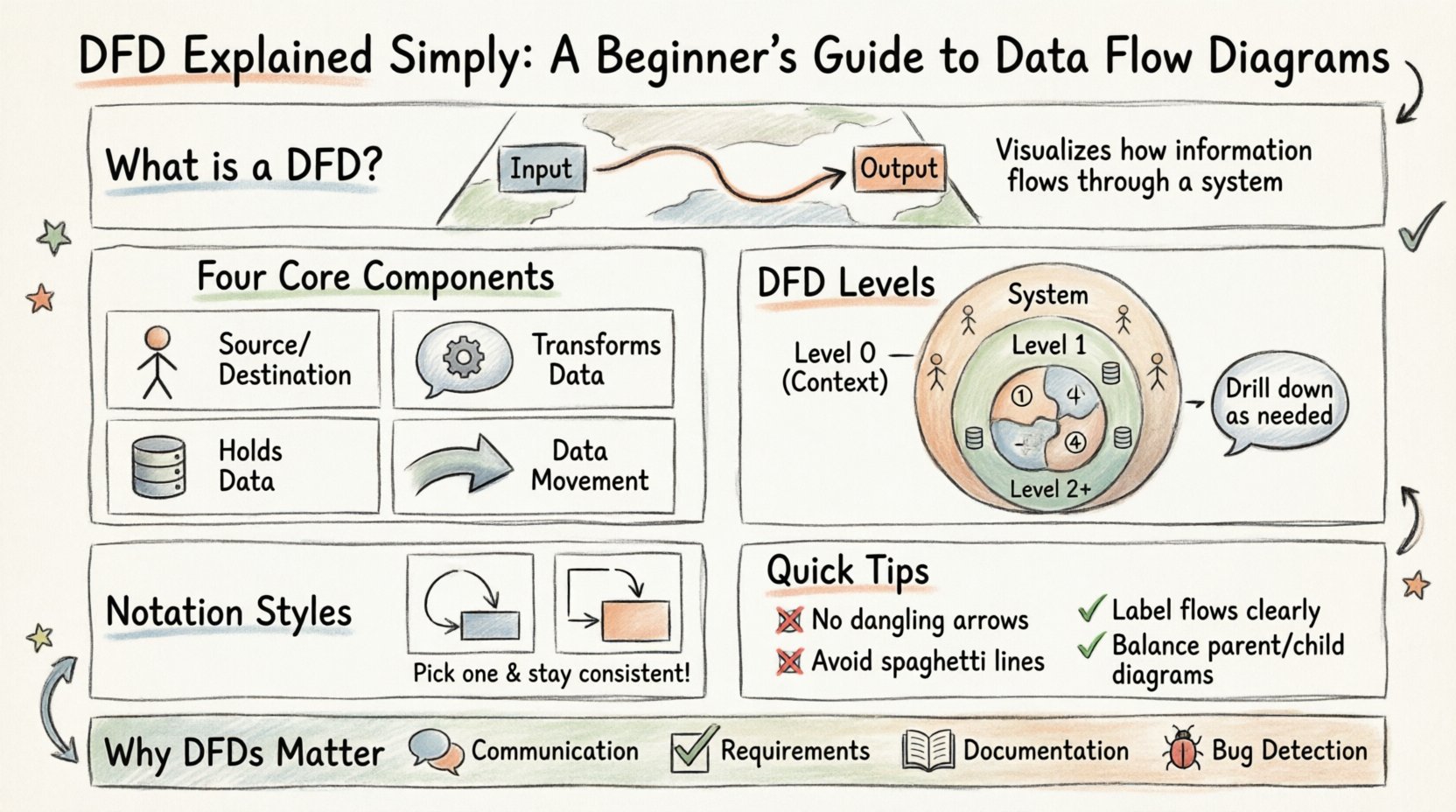
Data Flow Diagrams (DFDs) are essential tools for visualizing how information moves through a system. Whether you are designing a new application, mapping out a business process, or analyzing an
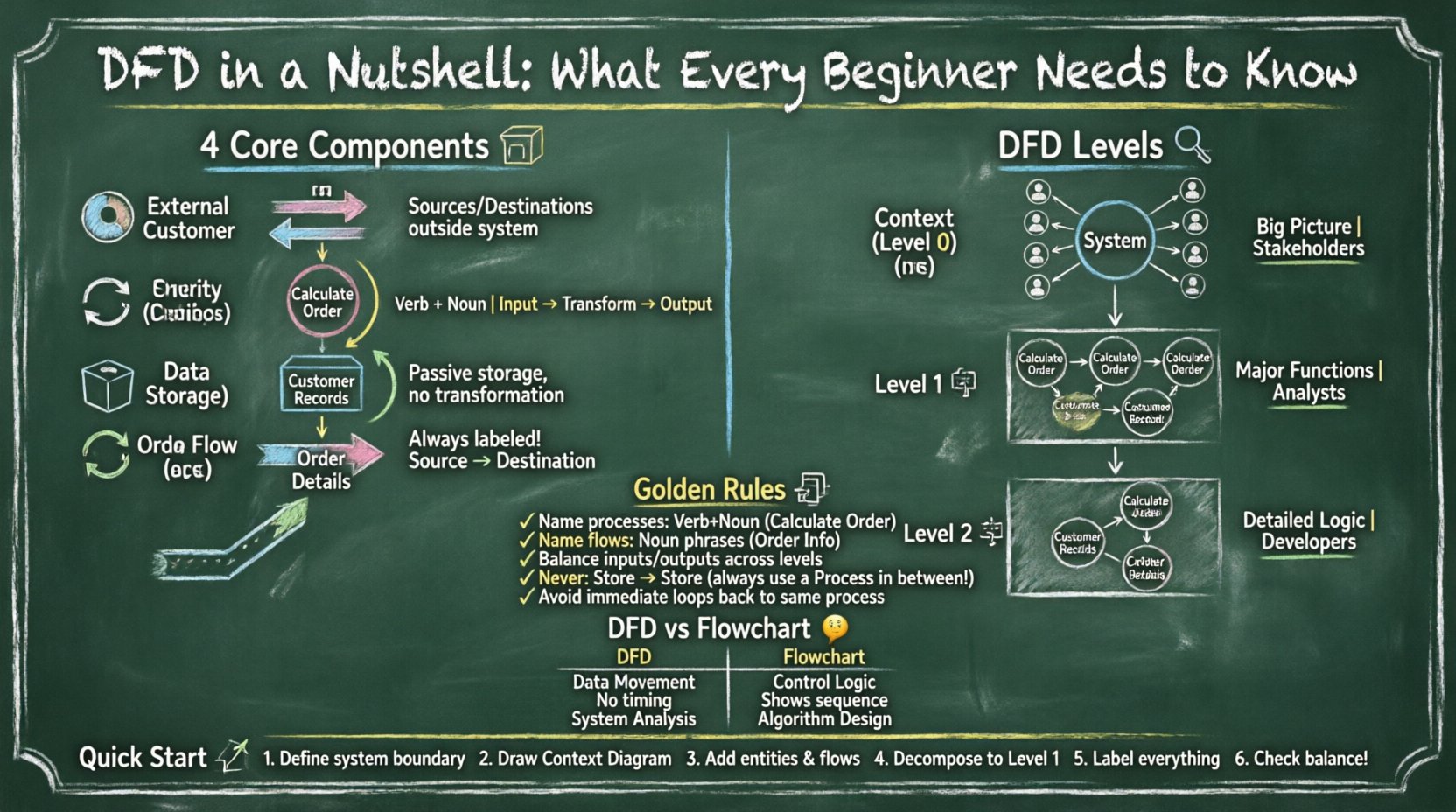
Data Flow Diagrams (DFD) serve as a foundational tool in system analysis and design. They provide a visual representation of how information moves through a system, highlighting inputs, outputs, storage,
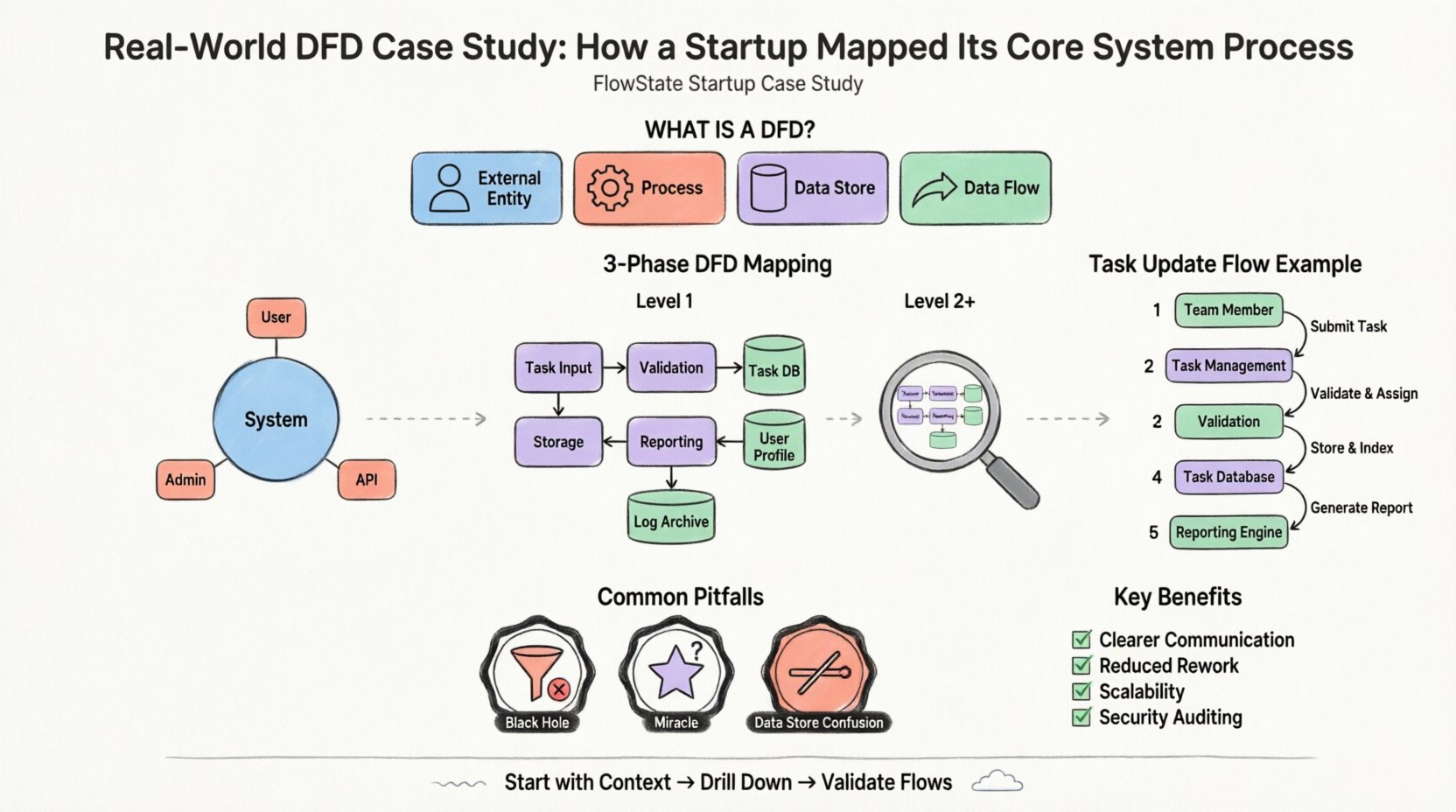
In the early stages of building a technology company, clarity is currency. Founders often dive straight into coding without fully visualizing the underlying data movement. This approach frequently leads to
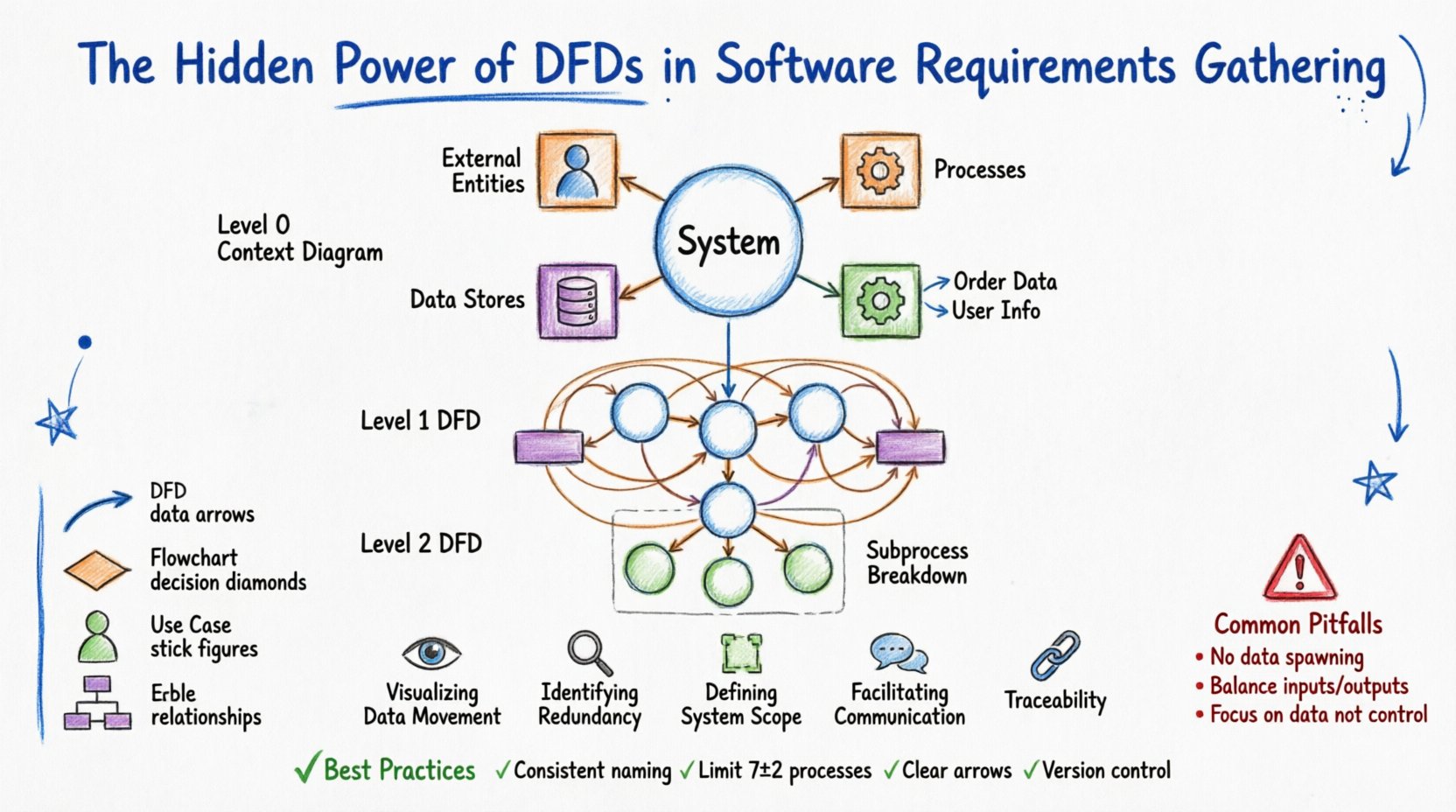
Software projects often stumble not because of code quality, but because of misunderstood requirements. When teams jump straight into design or development without a clear map of data movement, the
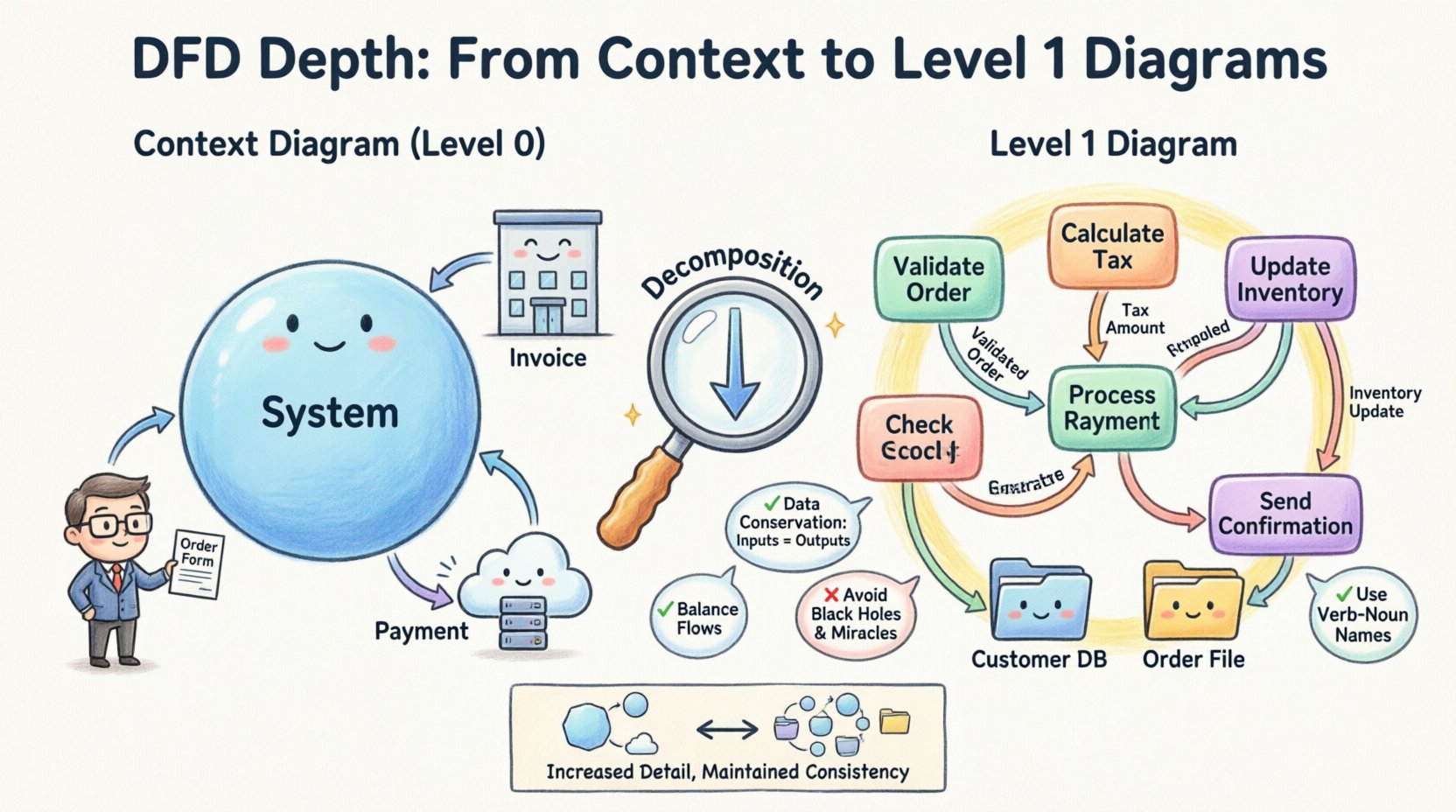
Data Flow Diagrams (DFDs) are fundamental tools in systems analysis and design. They provide a visual representation of how information moves through a system. Understanding the depth of a DFD
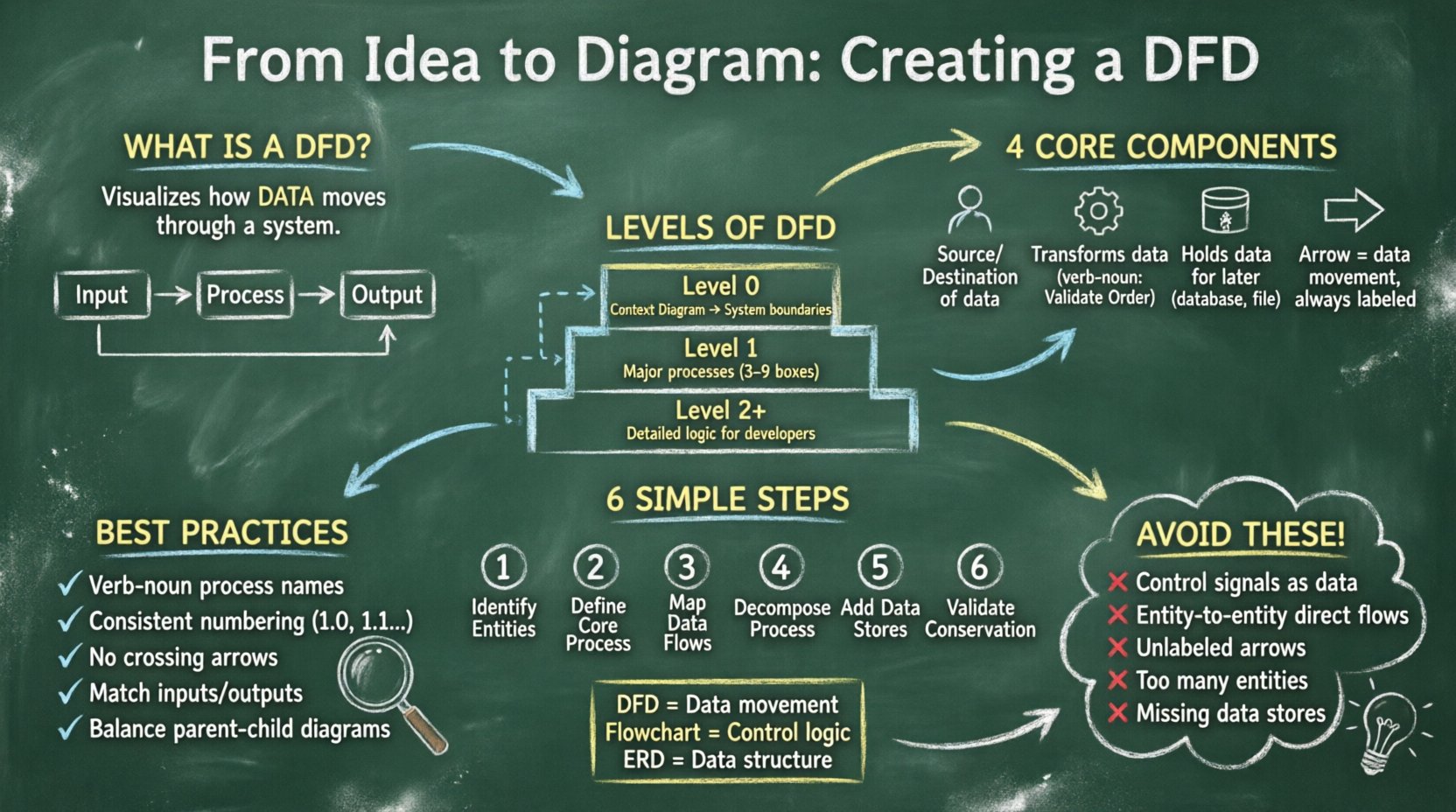
Designing a robust information system requires more than just coding; it demands a clear understanding of how data moves through a process. A Data Flow Diagram (DFD) serves as the
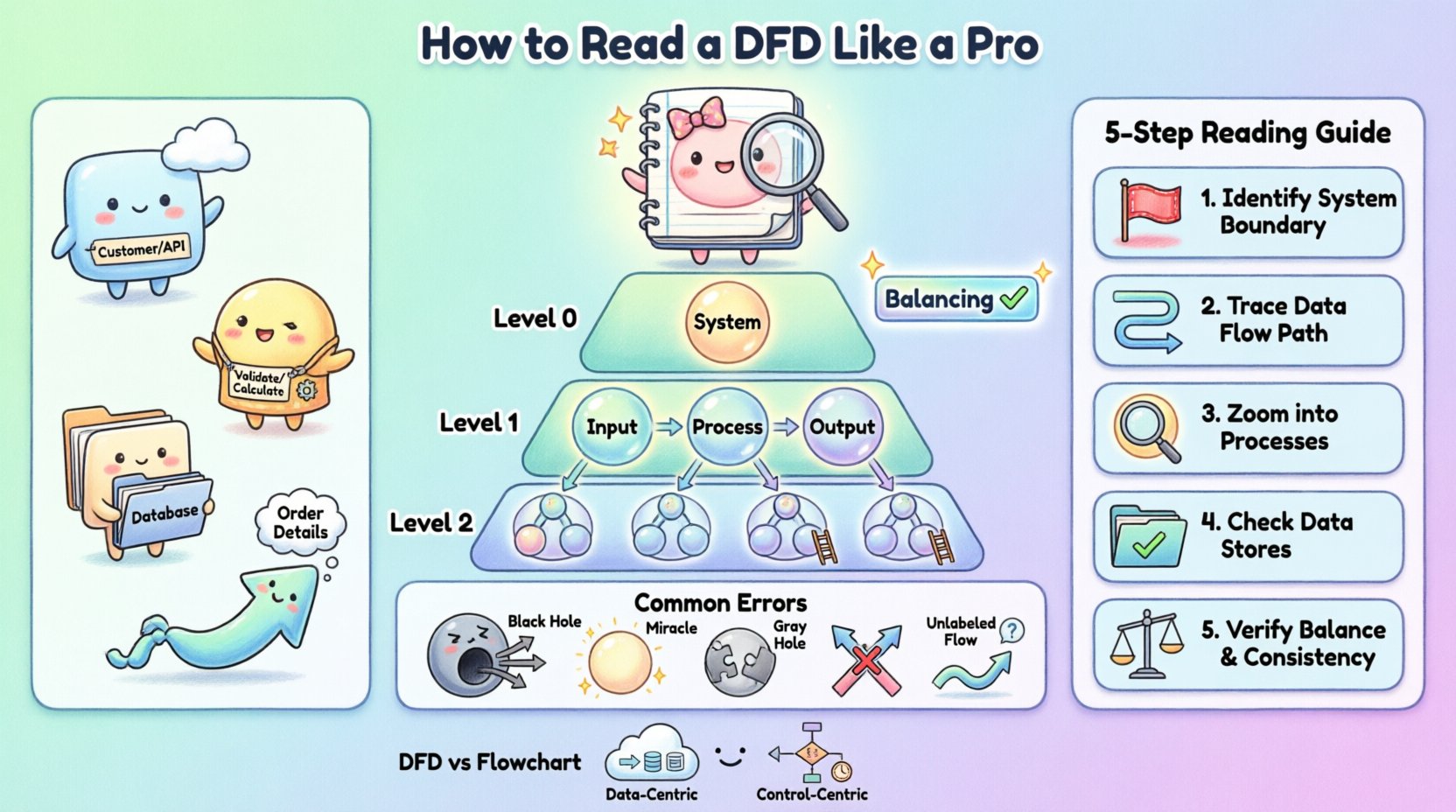
Entering the world of software engineering often involves deciphering complex blueprints before writing a single line of code. Among the various diagrams used to map system behavior, the Data Flow

Creating a Data Flow Diagram (DFD) does not require expensive software licenses or complex interfaces. In fact, starting with the simplest tools often yields the clearest results. This guide explores