Entering the professional landscape as an Information Systems graduate marks a significant transition from academic theory to practical application. While university curricula provide a strong foundation in systems analysis, database
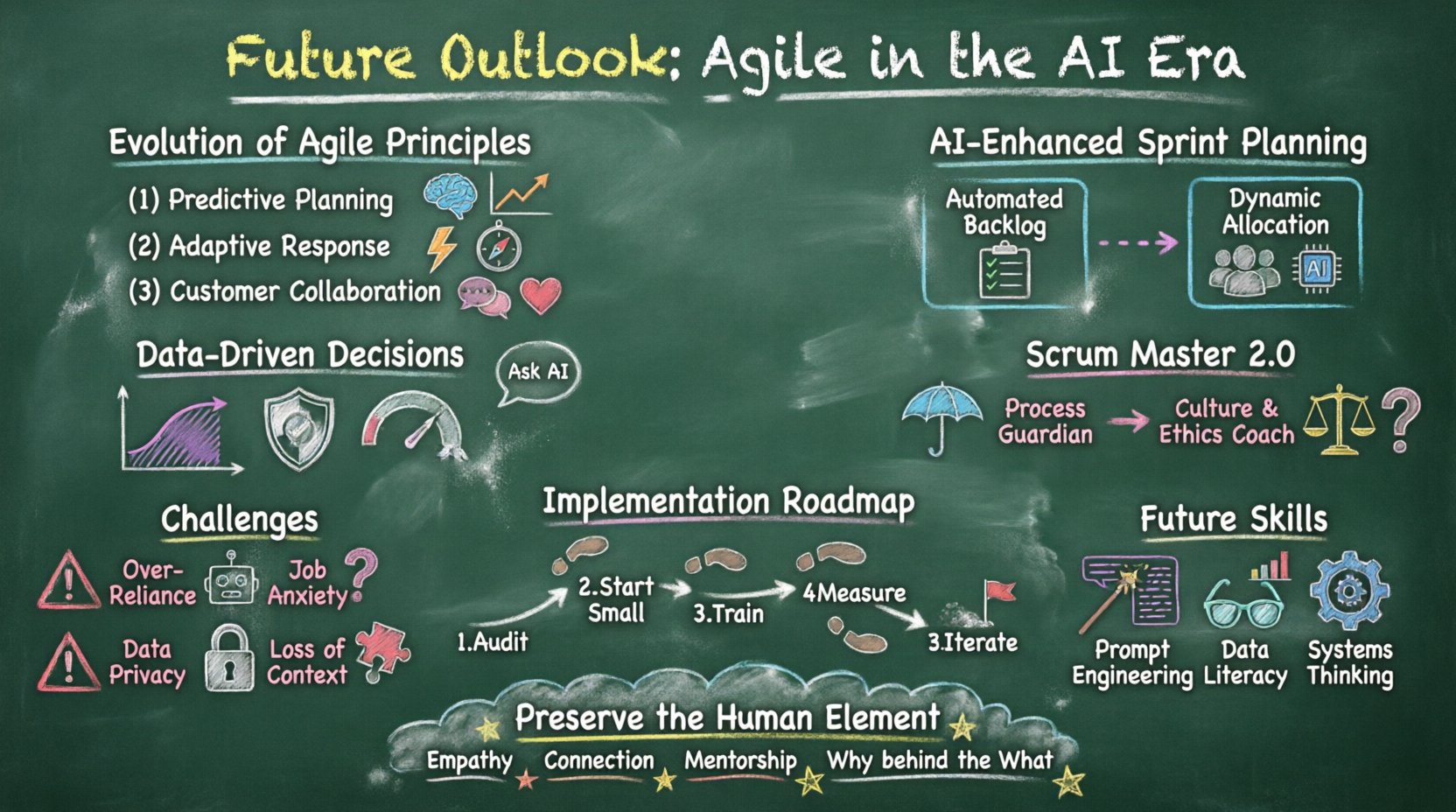
The landscape of software development is shifting beneath our feet. For two decades, Agile methodologies have provided the framework for iterative progress, customer feedback, and adaptive planning. However, the rapid
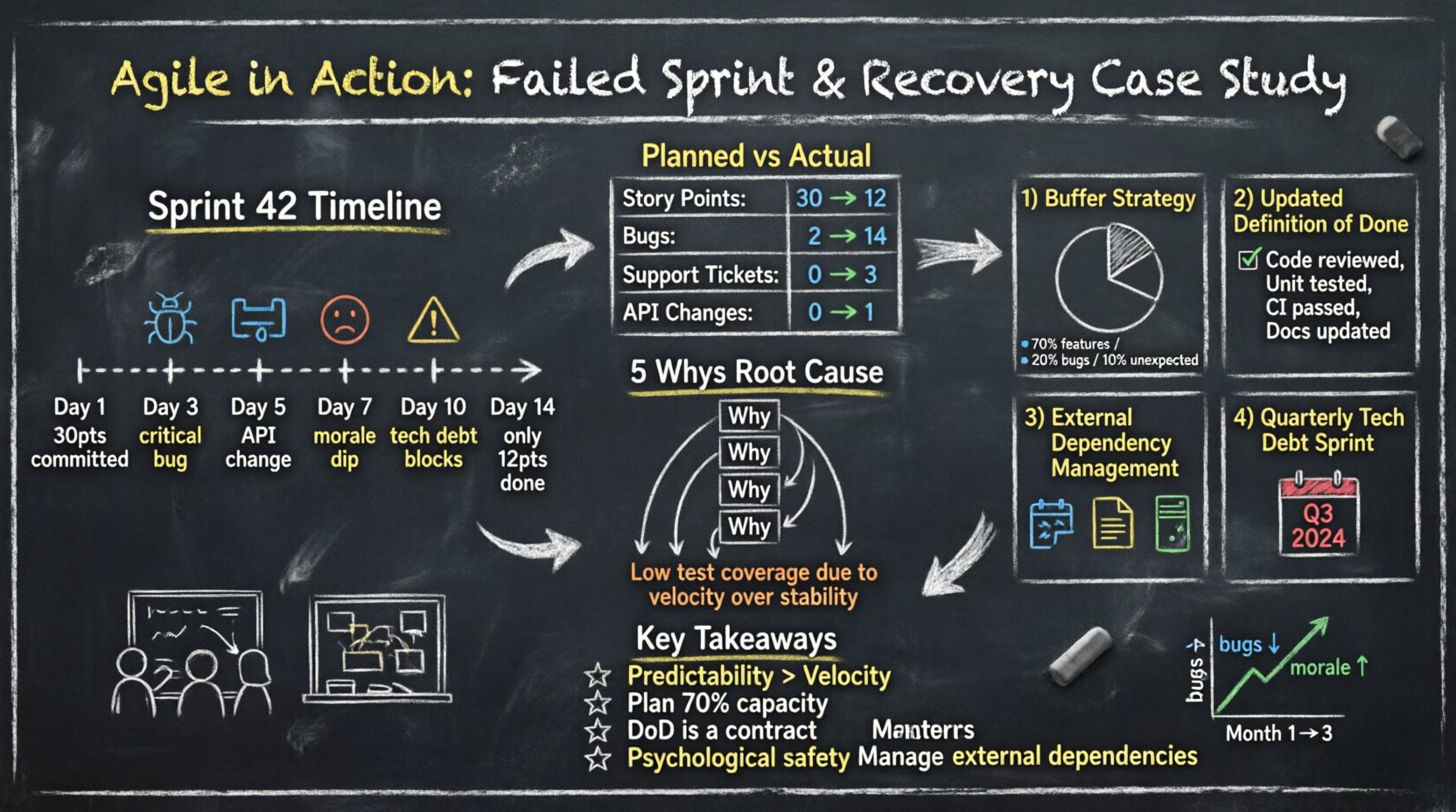
Agile methodology promises flexibility, responsiveness, and continuous improvement. However, the reality often includes setbacks. A failed sprint is not an anomaly; it is a data point. Understanding how a team
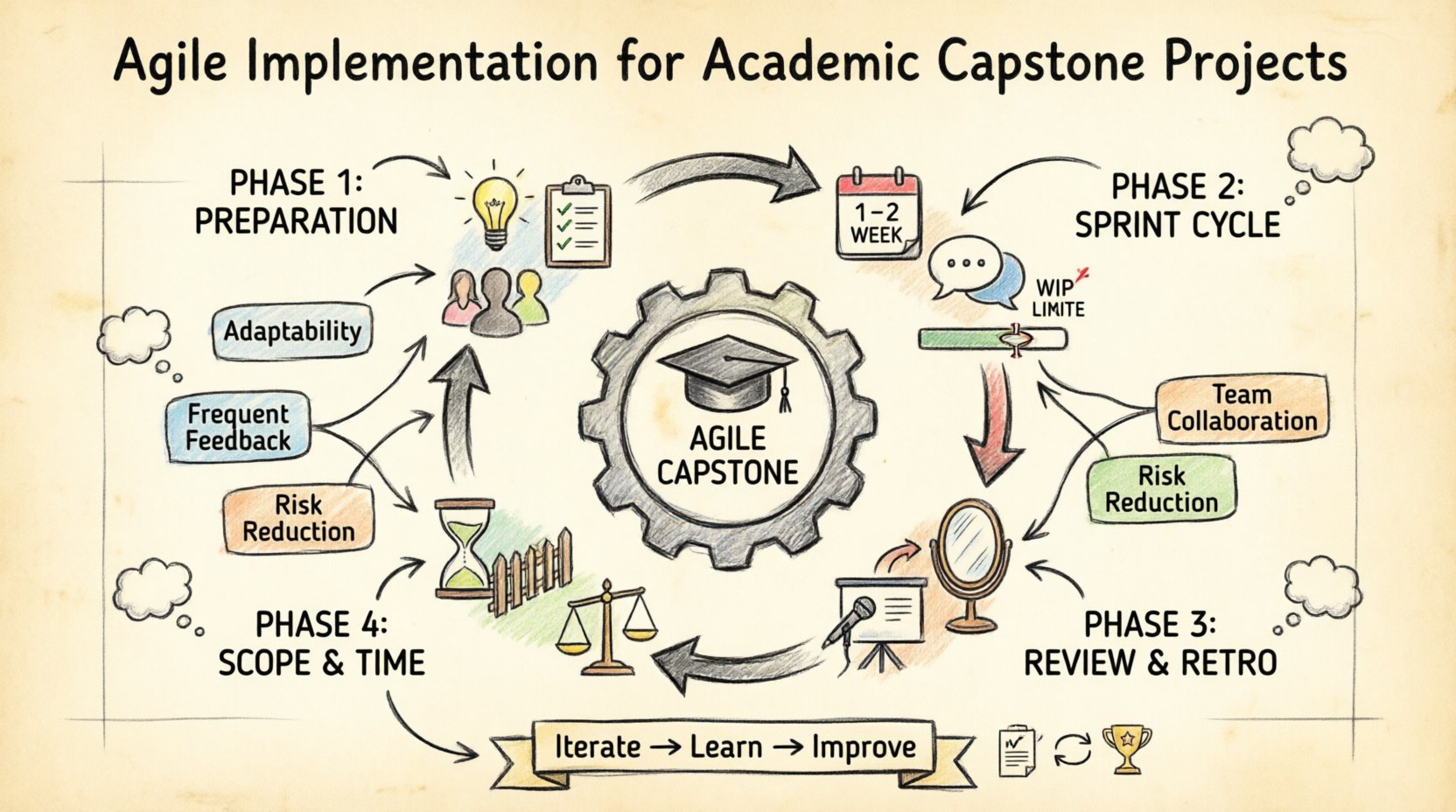
Academic capstone projects represent the culmination of a student’s educational journey. They require planning, execution, and delivery of a significant work product. Traditionally, these projects followed a linear, waterfall approach.
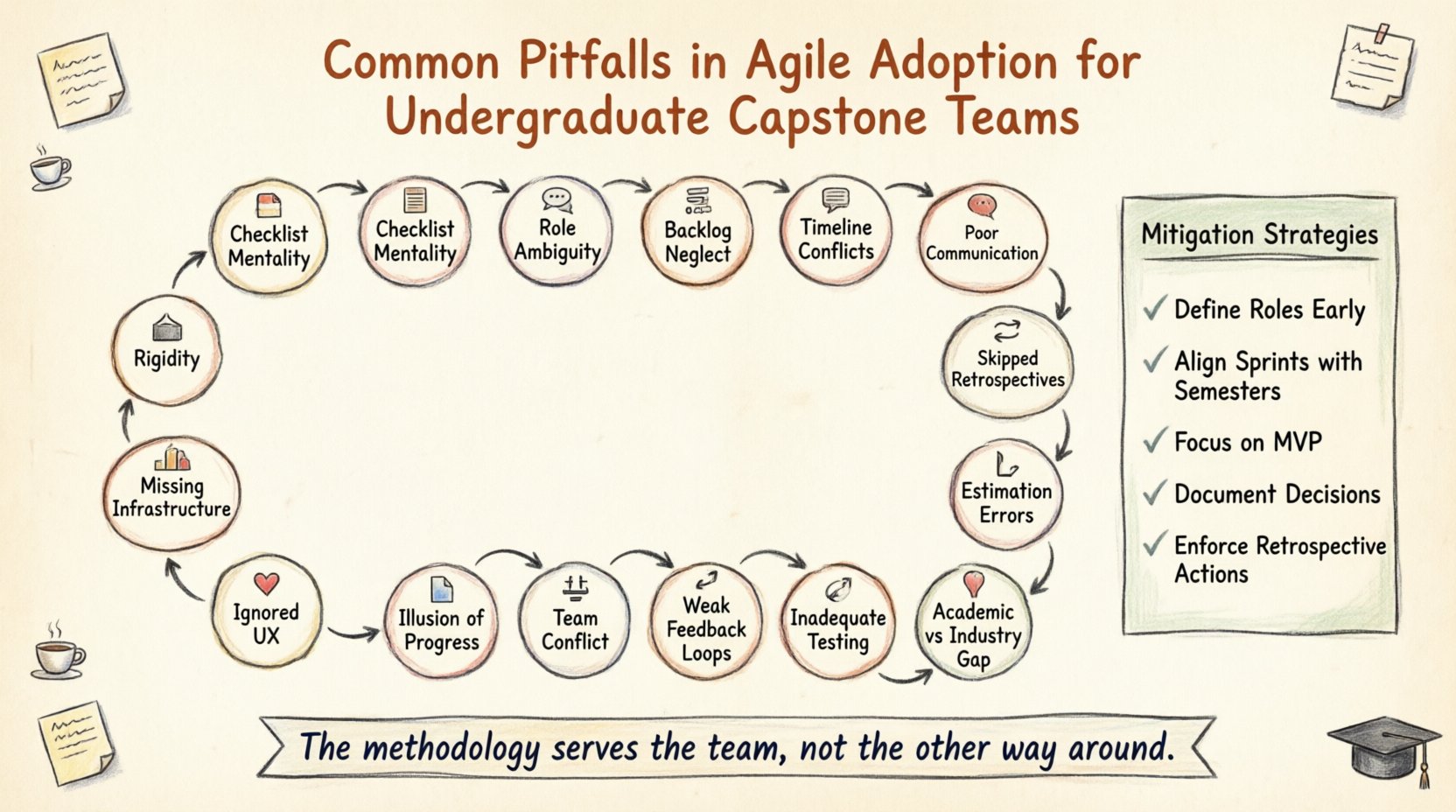
Undergraduate capstone projects represent the culmination of academic study, where theoretical knowledge meets practical application. In the software industry, Agile methodologies have become the standard for managing complex development cycles.
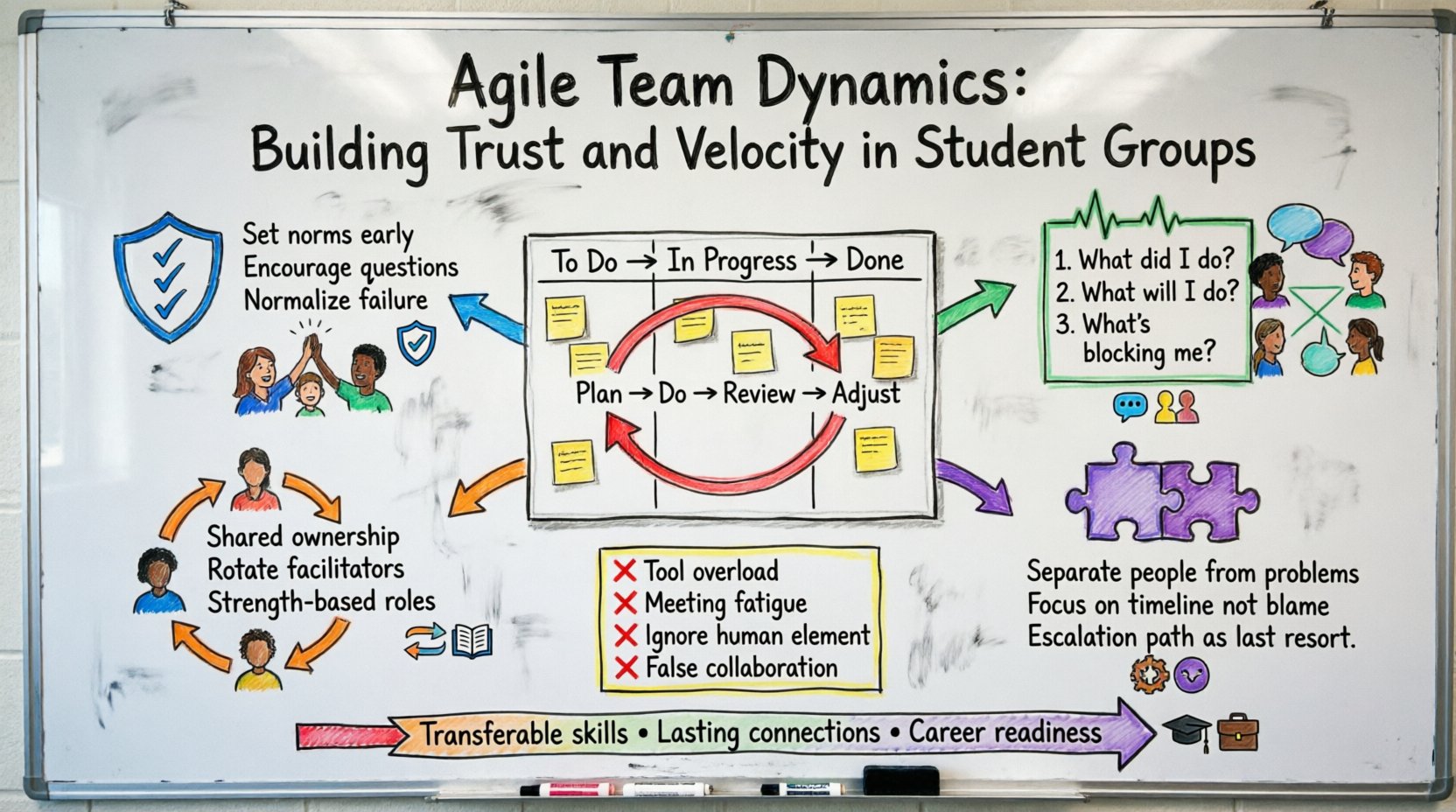
Academic projects often hinge less on individual brilliance and more on how well a group functions as a cohesive unit. In the modern educational landscape, students are frequently asked to
In the modern workplace, the divide between business strategy and technical execution often creates friction. Business students enter the workforce with strong analytical skills, yet they frequently lack exposure to
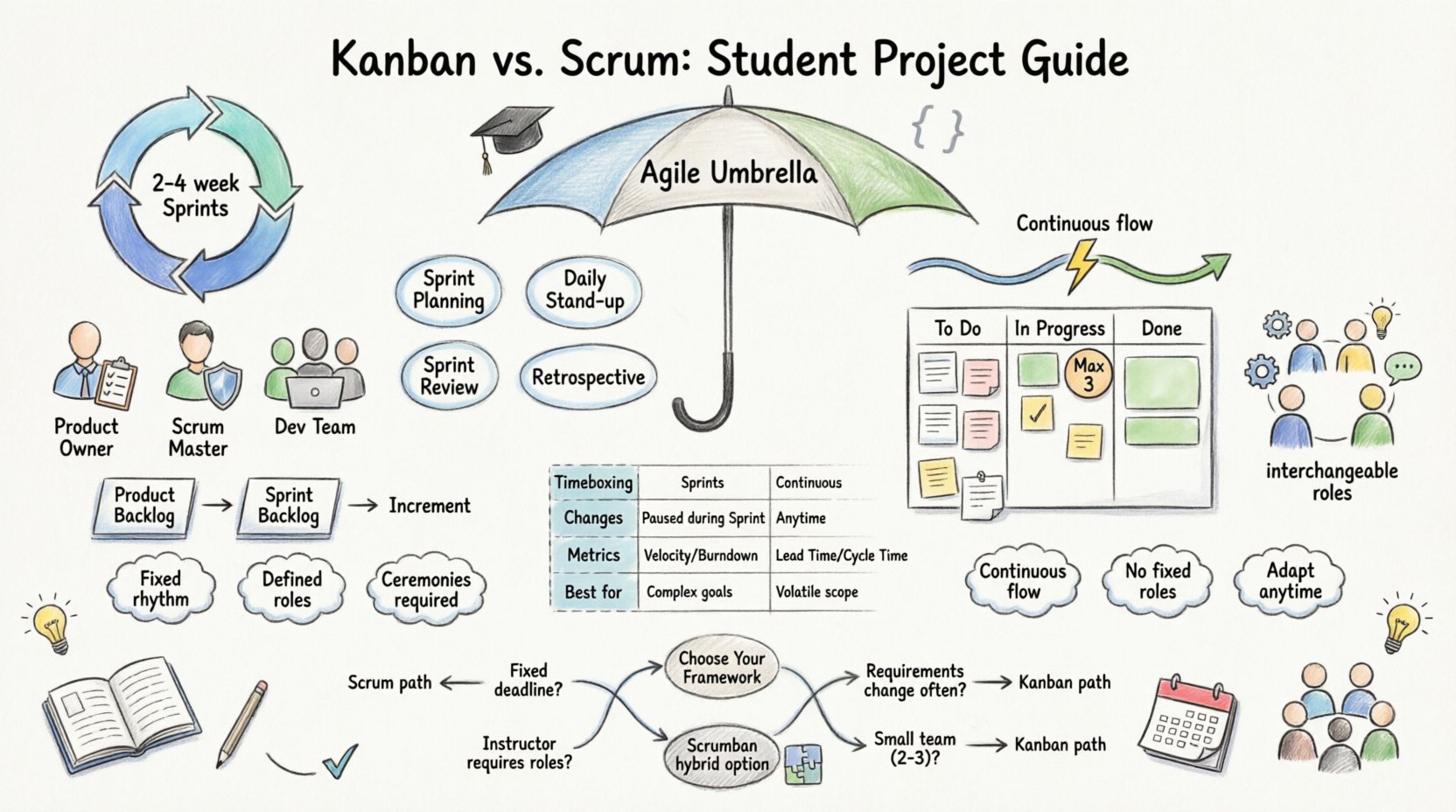
Information Systems courses frequently require teams to deliver complex software solutions within a fixed semester timeline. This environment mirrors real-world development constraints while introducing unique academic pressures. Selecting the appropriate
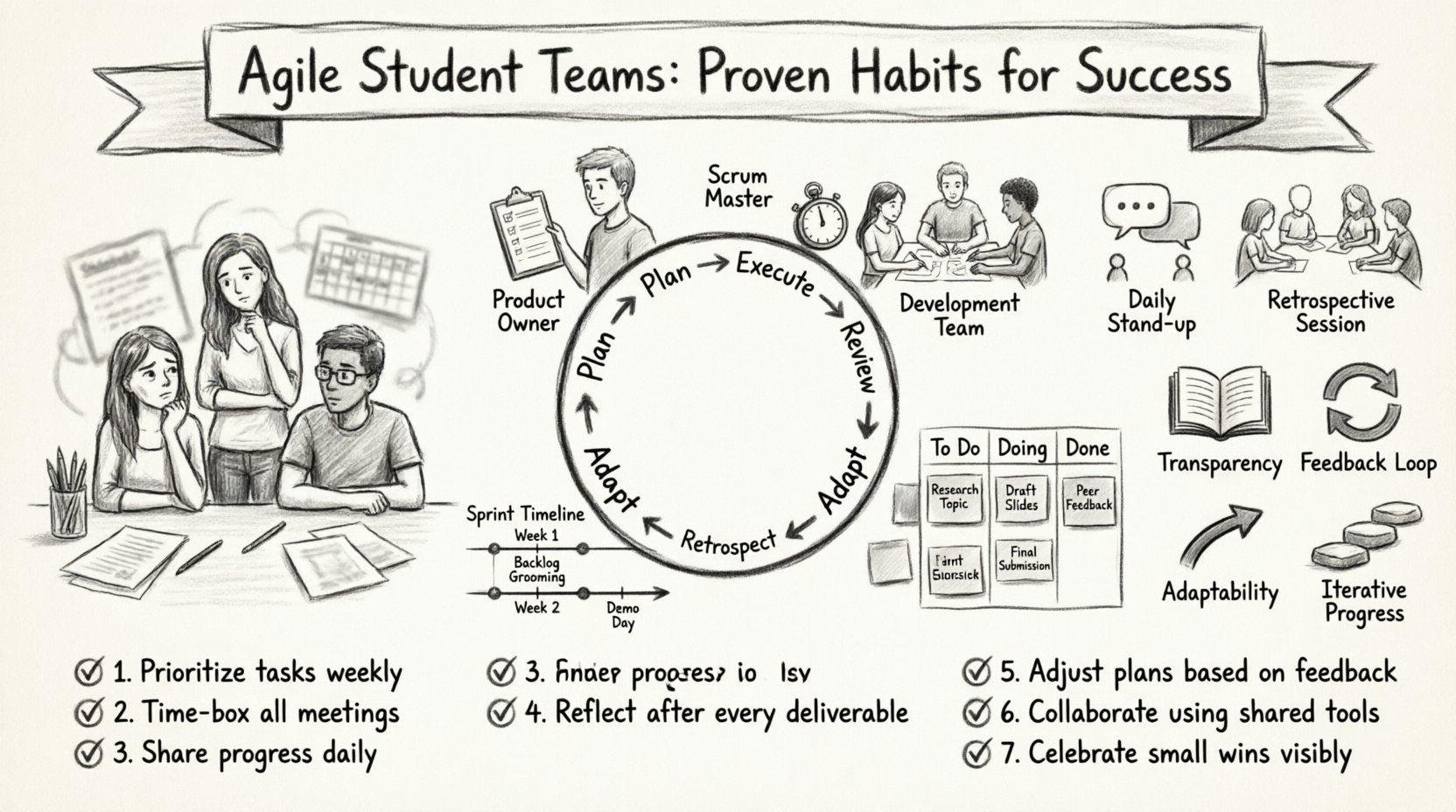
Collaboration in academic settings often resembles a chaotic sprint rather than a structured marathon. Student projects, whether in engineering, humanities, or business, frequently suffer from uneven workloads, unclear deadlines, and
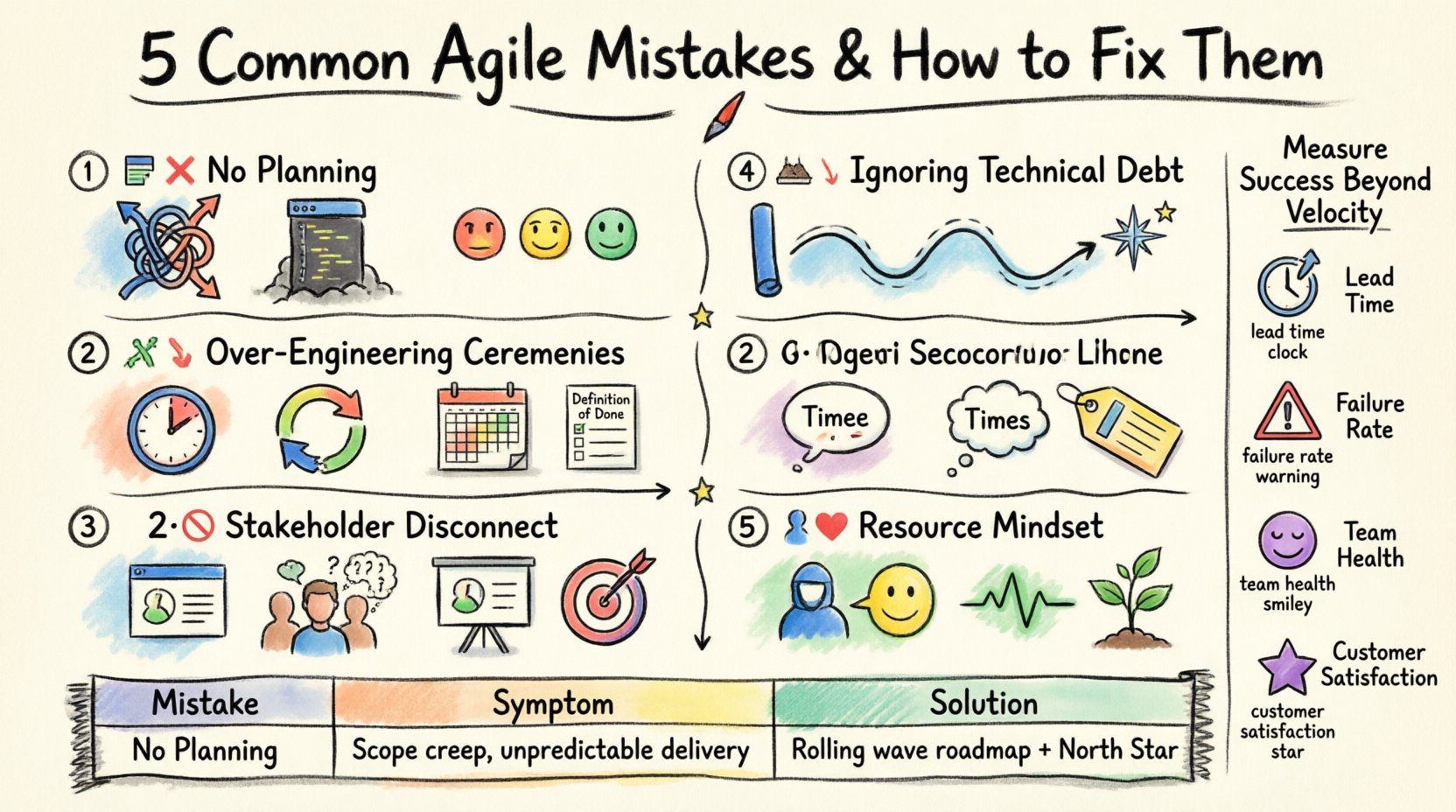
Agile methodology promised speed, flexibility, and customer focus. Yet, many teams find themselves in a paradoxical state: moving fast but going nowhere. The gap between intention and execution often stems