 Visual Paradigm Desktop |
  Visual Paradigm Online
Visual Paradigm (VP) has positioned itself as a leader in AI-driven visual modeling, delivering what it describes as “the most complete AI UML diagram generator ecosystem, covering all core UML 2.x diagram types with strong AI assistance on multiple platforms.” UML (Unified Modeling Language) is not just another diagram category in VP’s AI toolkit — it serves as the foundational backbone for software engineering, system architecture, and enterprise-level modeling. This article explores the depth of UML support across the VP AI ecosystem and explains UML’s pivotal role in powering intelligent, traceable, and production-ready visual modeling workflows.
Full UML 2.x Coverage: The Support Matrix
At the heart of VP’s AI capabilities lies a meticulously designed UML Diagrams Support Matrix that spans four interconnected platforms:
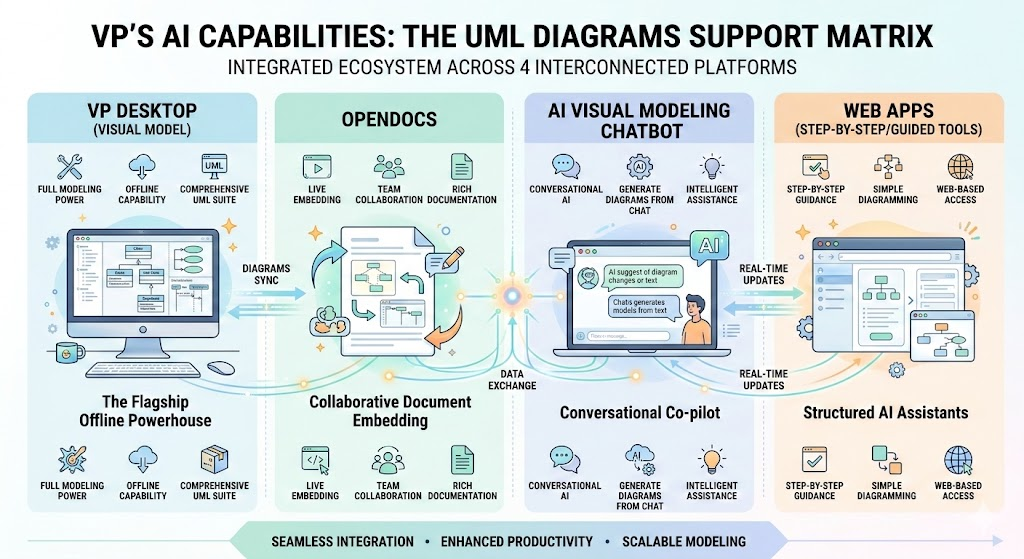
VP Desktop (Visual Model) – the flagship offline powerhouse
OpenDocs – collaborative document embedding
AI Visual Modeling Chatbot – conversational co-pilot
Web Apps (Step-by-Step/Guided Tools) – structured AI assistants
The matrix confirms comprehensive AI-assisted support for nearly every core UML 2.x diagram:
| UML Diagram Type | VP Desktop | OpenDocs | Chatbot | Web Apps (AI Tools) |
|---|---|---|---|---|
| Use Case Diagram | ✓ | [✓] | [✓] | Dedicated Studio + Refinement Tool |
| Class Diagram | ✓ | [✓] | [✓] | AI-Assisted Generator + DBModeler AI |
| Sequence Diagram | ✓ | [✓] | [✓] | AI Refinement Tool + Use-Case Driven |
| Activity Diagram | ✓ | [✓] | [✓] | Use Case → Activity Generator |
| State Machine Diagram | ✓ | [✓] | [✓] | Full AI generation |
| Deployment Diagram | ✓ | [✓] | [✓] | Full AI generation |
| Component Diagram | ✓ | [✓] | [✓] | Full AI generation |
| Object Diagram | ✓ | [✓] | [✓] | Full AI generation |
| Package Diagram | ✓ | [✓] | [✓] | Full AI generation |
| Composite Structure Diagram | ✓ | [✓] | [✓] | Full AI generation |
| Profile Diagram | ✓ | – | – | – |
| Communication Diagram | – | – | – | – |
| Timing Diagram | – | – | – | – |
This breadth is unmatched: VP claims “no other provider matches our breadth of support” for UML within a unified AI ecosystem.
VP’s AI does far more than simple generation — it embeds intelligence directly into the UML lifecycle:
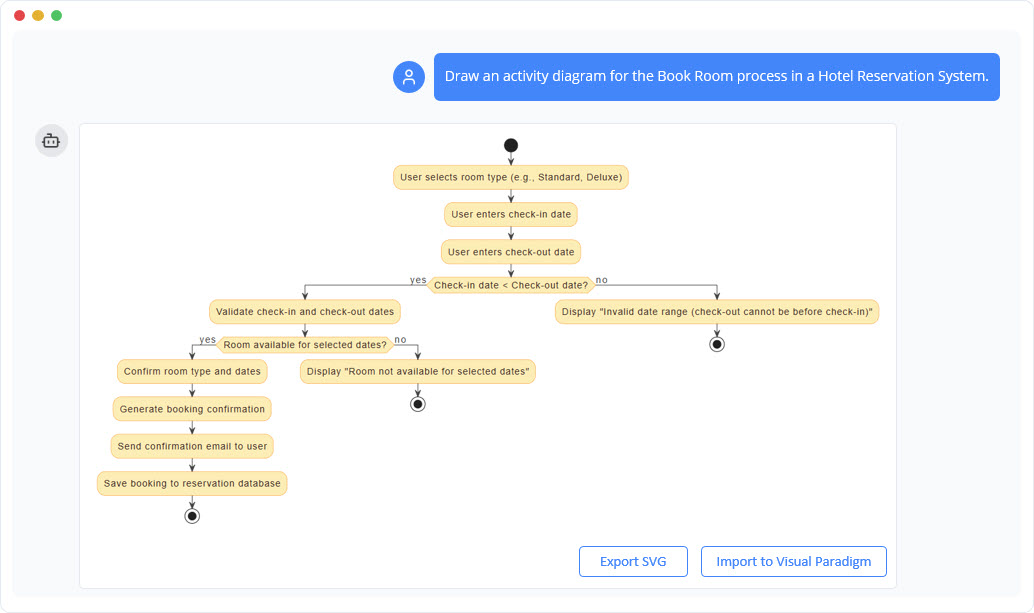
The AI Visual Modeling Chatbot turns UML diagramming into an interactive conversation. Users simply describe requirements (“Create a sequence diagram for user login with OAuth2 and two-factor authentication”), and the chatbot instantly produces a complete, syntactically correct diagram. Follow-up questions allow real-time refinement — a capability highlighted as transforming “brainstorming ideas [into] prototyping quickly.”
AI-Powered Use Case Modeling Studio (Web Apps): Guides users through actor identification, use-case discovery, and relationship modeling with built-in validation.
AI-Assisted UML Class Diagram Generator: Creates classes, attributes, operations, and relationships directly from textual descriptions or database schemas via DBModeler AI.
AI-Powered Use Case to Activity Diagram Generator: Automatically derives detailed activity flows from high-level use cases — preserving traceability.
AI MVC System Architecture Generator: Produces interconnected class and sequence diagrams for modern web architectures.
AI Sequence Diagram Refinement Tool & Use Case Diagram Refinement Tool: Ensure diagrams remain consistent when requirements evolve.
Only the VP Desktop platform offers deep offline reverse engineering, allowing teams to import legacy codebases and instantly generate accurate UML class, sequence, and component models — all while maintaining full AI-assisted editing capabilities.
With OpenDocs, any UML diagram generated by the chatbot or desktop can be embedded as a live, editable object inside documentation. Changes made in the document automatically sync back to the model — perfect for team alignment.
UML is not a side feature in Visual Paradigm’s AI strategy — it is the strategic core that unifies the entire ecosystem. Here’s why:
While other diagram types (C4, BPMN, mind maps) receive AI support, UML receives the widest coverage and deepest integration because it is the industry-standard language for software design, architecture, and implementation. VP explicitly positions its AI tools to deliver “enterprise-level UML or SysML designs” that are “production-ready, traceable, and exportable to code or reports.”
UML acts as the common thread connecting all four platforms:
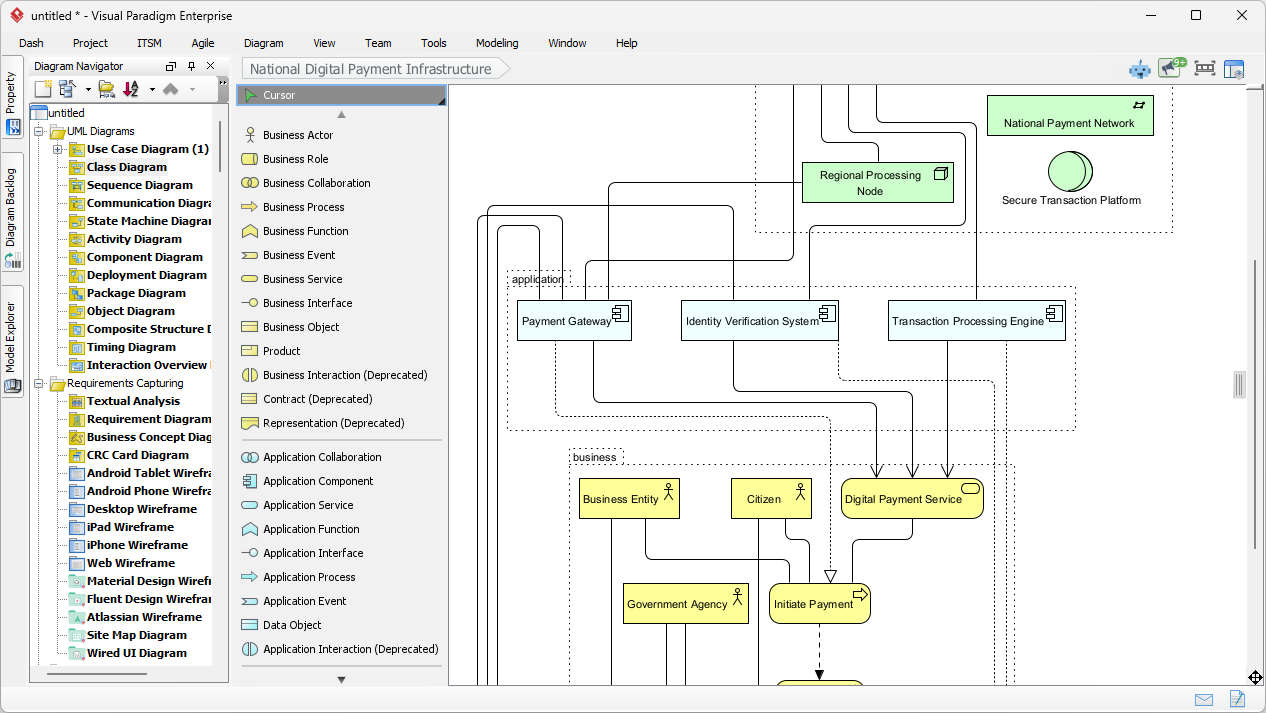
Desktop → precision and complex projects
Chatbot → rapid exploration and iteration
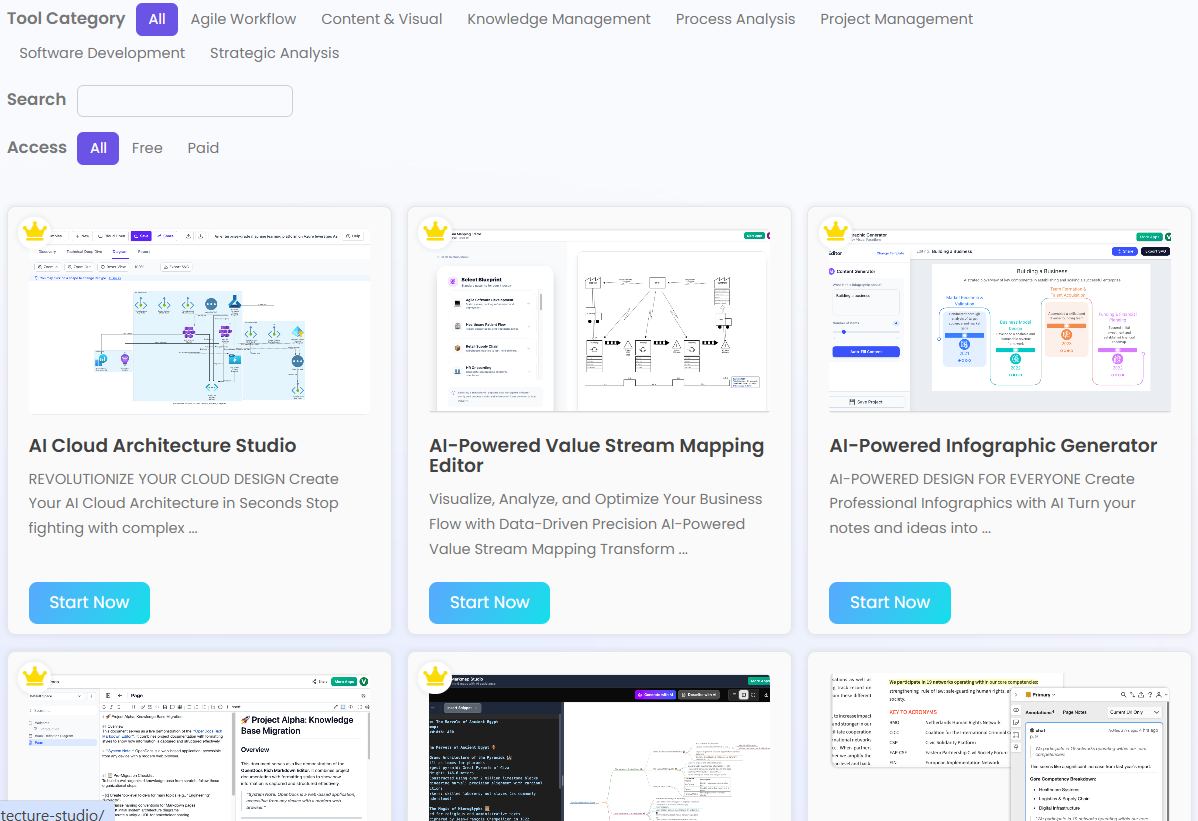
Web Apps → methodical, error-free step-by-step construction
OpenDocs → living documentation and team knowledge bases
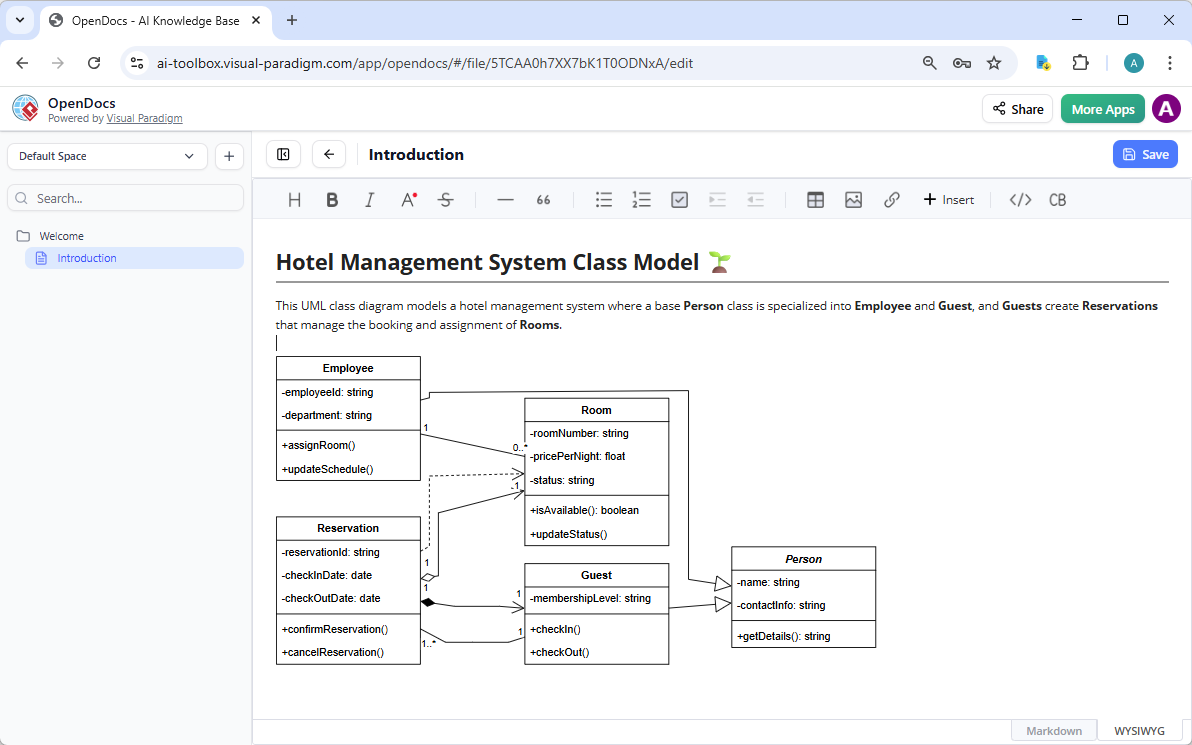
This creates a true “ecosystem” rather than isolated tools: a sequence diagram started in the chatbot can be refined in the desktop, embedded in OpenDocs, and used to generate code — all with AI maintaining consistency.
Unlike many AI diagram tools that produce static images, VP’s UML AI emphasizes real traceability. Diagrams remain editable, interconnected, and version-controlled. The ecosystem’s AI continuously suggests refinements, validates syntax, and ensures models stay synchronized across diagrams (e.g., a change in a class diagram automatically updates related sequence diagrams).
The article repeatedly emphasizes time savings: “saves hours on initial setups,” “accelerates your workflow,” and delivers “models [that] are professional, interconnected, and ready for implementation.” UML’s central role makes this possible because every AI feature is built around UML’s formal semantics rather than generic shapes.
In an era where AI diagram generators are proliferating, Visual Paradigm stands apart by treating UML not as a novelty but as the rigorous foundation of modern software engineering. Whether you are a solo developer sketching ideas in the chatbot, an architect building enterprise architectures in the desktop, or a team documenting living systems in OpenDocs, UML powered by VP AI delivers speed without sacrificing precision.
The result is a single, cohesive ecosystem where UML is both the starting point and the destination — turning natural language into fully traceable, code-ready models faster than ever before.
For the complete technical comparison and latest updates, the original guide is available at the Visual Paradigm AI ecosystem overview.